

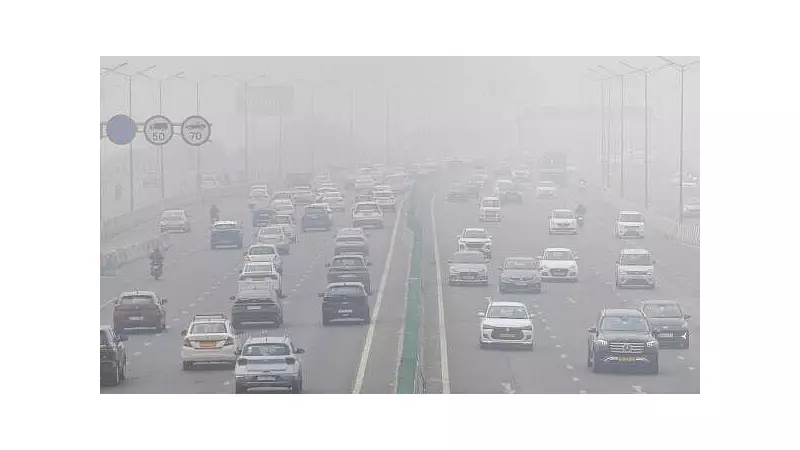
Authorities in Delhi and the National Capital Region have taken swift action. They have reimposed Stage 4 of the Graded Response Action Plan. This decision comes as air quality levels plummeted into the severe category.
Immediate Measures to Combat Pollution
The GRAP-4 restrictions aim to tackle major pollution sources head-on. Officials are enforcing a ban on the entry of trucks into Delhi. Only electric and CNG vehicles are exempt from this rule. Construction activities have also come to a halt across the region.
Impact on Daily Life and Transport
Residents are feeling the effects of these strict curbs. Many commuters face disruptions as public transport options adjust. The authorities urge people to limit outdoor activities. They recommend using masks when stepping outside.

Experts point to several factors for the worsening air. Stubble burning in neighboring states contributes significantly. Calm weather conditions are trapping pollutants close to the ground. Industrial emissions add to the toxic mix.
Government and Public Response
The government is monitoring the situation closely. They promise to review the curbs based on air quality improvements. Citizens express mixed reactions. Some support the measures for health reasons. Others worry about economic impacts.
Schools and offices are advised to promote remote work where possible. Health advisories highlight risks for vulnerable groups. Children and the elderly should take extra precautions.
Looking Ahead: Long-term Solutions
This episode underscores the need for sustainable pollution control. Officials emphasize the importance of GRAP as a temporary tool. Long-term strategies must address root causes like vehicle emissions and industrial pollution.
The reimposition of GRAP-4 serves as a stark reminder. Delhi-NCR's air quality crisis demands urgent and consistent action. Everyone must play a part in finding lasting solutions.

