

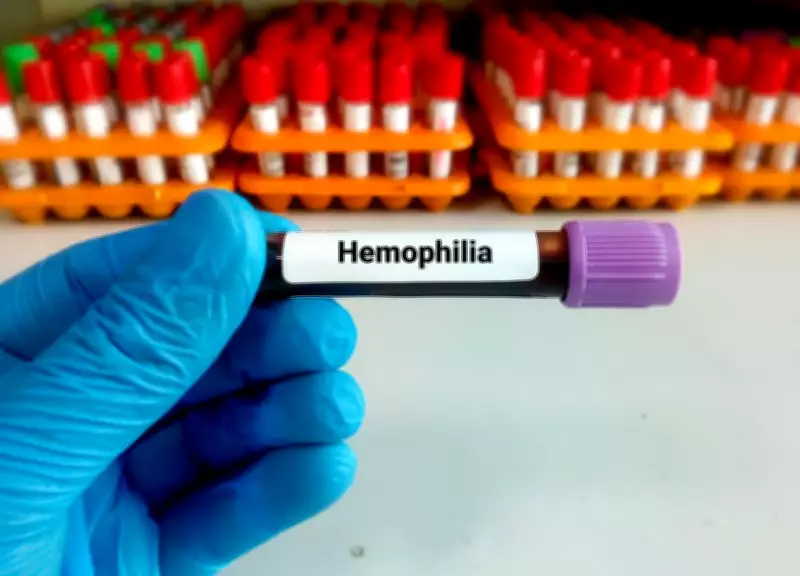
Understanding Haemophilia: A Rare Genetic Bleeding Disorder
Haemophilia is a rare genetic condition that affects the body's ability to form blood clots, leading to prolonged bleeding episodes. Despite its rarity, it is a manageable disorder with advancements in medical science offering effective treatment options. This article delves into the intricacies of haemophilia, its types, symptoms, and the strategies for managing it to ensure a better quality of life for those affected.
What is Haemophilia?
Haemophilia is primarily an inherited disorder caused by deficiencies in clotting factors, which are proteins essential for blood coagulation. There are two main types: Haemophilia A, caused by a lack of clotting factor VIII, and Haemophilia B, resulting from a deficiency in clotting factor IX. Both types are X-linked recessive disorders, meaning they predominantly affect males, while females are usually carriers. The condition is characterized by spontaneous bleeding or excessive bleeding following injuries, which can occur internally in joints, muscles, or organs, leading to complications if not addressed promptly.
Symptoms and Diagnosis of Haemophilia
The symptoms of haemophilia vary in severity based on the level of clotting factor deficiency. Common signs include frequent nosebleeds, easy bruising, prolonged bleeding from cuts or dental procedures, and joint pain or swelling due to internal bleeding. In severe cases, bleeding into vital organs can be life-threatening. Diagnosis typically involves blood tests to measure clotting factor levels, along with genetic testing to confirm the type and inheritance pattern. Early detection is crucial for implementing effective management plans and preventing long-term damage.

Management and Treatment Strategies
While there is no cure for haemophilia, it can be managed effectively through various approaches. The primary treatment involves replacement therapy, where missing clotting factors are infused into the bloodstream to control bleeding episodes. This can be done on-demand for acute bleeding or as prophylaxis to prevent bleeding. Other management strategies include:
- Medications: Antifibrinolytic drugs to help clots last longer.
- Physical Therapy: To maintain joint health and mobility, especially after bleeding episodes.
- Lifestyle Adjustments: Avoiding activities with high injury risks and maintaining a healthy diet to support overall well-being.
Recent advancements, such as gene therapy, offer promising avenues for long-term management, potentially reducing the frequency of treatments. Regular monitoring and collaboration with healthcare providers are essential for tailoring care to individual needs.
Living with Haemophilia: Challenges and Support
Living with haemophilia presents challenges, including the risk of chronic pain, joint damage, and emotional stress. However, with proper management, individuals can lead active and fulfilling lives. Support systems, such as patient advocacy groups and counseling, play a vital role in providing education and emotional assistance. Public awareness and access to specialized care are key to improving outcomes for those with this rare condition.
In conclusion, haemophilia is a rare but manageable genetic disorder. Through early diagnosis, effective treatment, and comprehensive care, individuals with haemophilia can navigate their condition successfully, highlighting the importance of continued research and healthcare support in this field.






