

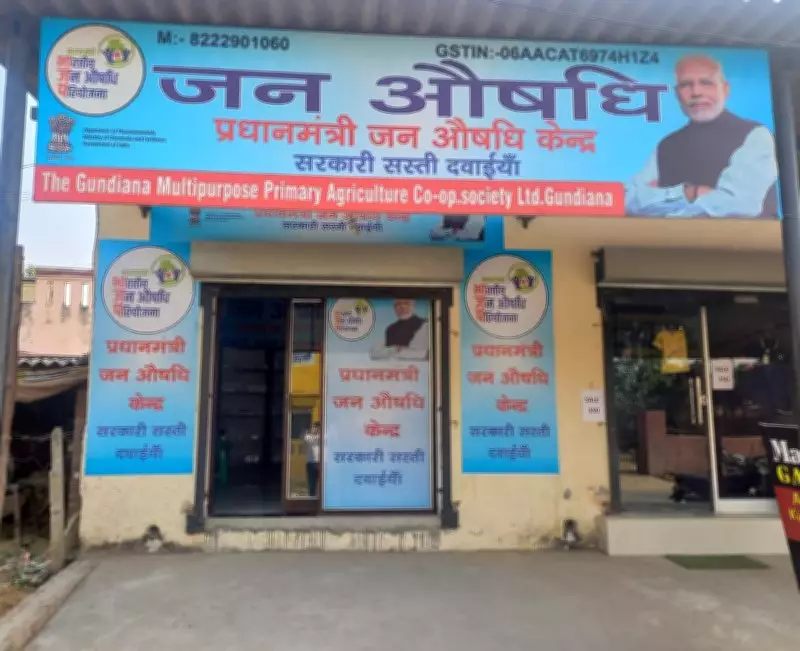
Haryana's Credit Cooperative Societies Bridge Healthcare Gap with Affordable Medicines in Rural Areas
In a significant development for rural healthcare, credit cooperative societies across Haryana have emerged as vital providers of affordable and high-quality medicines in remote villages. This innovative initiative is addressing long-standing challenges of accessibility and cost that have plagued rural communities, ensuring that essential medications are within reach for all residents.
Transforming Rural Healthcare Access
The credit cooperative societies, traditionally known for their financial services, have expanded their role to include healthcare support by establishing medicine distribution networks. These societies are leveraging their existing infrastructure and community trust to deliver medicines at substantially lower prices compared to private pharmacies. This strategic move is particularly impactful in areas where healthcare facilities are scarce and transportation to urban centers is difficult.
Ensuring Quality and Affordability
One of the key aspects of this initiative is the emphasis on maintaining high standards of quality while keeping costs low. The societies source medicines directly from reputable manufacturers and distributors, eliminating middlemen and reducing overhead expenses. This direct procurement model allows them to offer medicines at prices that are often 20-30% lower than market rates, making essential treatments more accessible to low-income families.

Moreover, the societies have implemented strict quality control measures to ensure that all medicines meet regulatory standards. Regular audits and collaborations with health authorities help maintain transparency and build consumer confidence. This focus on quality is crucial in preventing the circulation of counterfeit or substandard drugs, which has been a concern in some rural markets.
Community Impact and Future Prospects
The initiative has already shown positive results in several districts of Haryana, where residents report improved access to medications for chronic conditions like diabetes, hypertension, and respiratory ailments. By reducing out-of-pocket expenses on healthcare, the societies are helping families allocate resources to other essential needs, thereby improving overall economic stability.
Looking ahead, there are plans to expand this model to more villages and integrate additional healthcare services. Potential developments include:
- Setting up telemedicine consultations in partnership with local clinics.
- Introducing health awareness campaigns on preventive care and disease management.
- Exploring collaborations with government health schemes to further subsidize costs.
This holistic approach aims to create a sustainable ecosystem where rural communities can access comprehensive healthcare support through their trusted credit cooperative societies.
Challenges and Collaborative Solutions
Despite the progress, challenges such as logistical hurdles in remote areas and the need for continuous funding remain. To address these, the societies are working with local authorities and non-governmental organizations to streamline supply chains and secure grants or low-interest loans for scaling operations. Community participation is also being encouraged through volunteer programs and feedback mechanisms to tailor services to local needs.
In conclusion, Haryana's credit cooperative societies are setting a commendable example of how grassroots organizations can play a pivotal role in enhancing rural healthcare. By providing affordable, quality medicines, they are not only improving health outcomes but also fostering economic resilience in underserved regions. This model holds promise for replication in other states facing similar healthcare disparities.






