

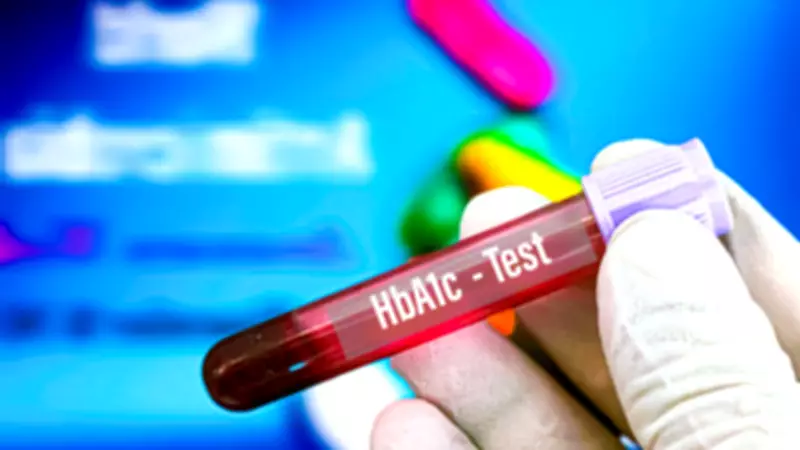
Understanding HbA1c: The Three-Month Diabetes Report Card
If you have ever undergone a blood sugar test, you have likely encountered the term HbA1c on your report. For many individuals, this measurement can be confusing, as it does not seem as straightforward as fasting or post-meal sugar numbers. HbA1c, also known as glycated hemoglobin, measures the percentage of hemoglobin coated with sugar over time. When glucose circulates in the blood, some of it naturally attaches to hemoglobin, the protein responsible for carrying oxygen. Once attached, it remains for the lifespan of the red blood cell, which is approximately three months.
Instead of providing a snapshot of your blood sugar at a single moment, HbA1c offers an average of your sugar levels over the past 8 to 12 weeks. This is why medical professionals often rely on it more heavily for diabetes assessment. For most people, an HbA1c level below 5.7% is considered normal. Readings between 5.7% and 6.4% indicate prediabetes, while levels of 6.5% or higher typically point toward diabetes.
Why HbA1c Is a More Reliable Indicator Than Daily Readings
TOI Health consulted with Dr. Vrinda Agrawal, Consultant Endocrinology at CARE Hospitals, Banjara Hills, Hyderabad, and Dr. Prudwiraj Sanamandra, Consultant Endocrinologist and Diabetologist at Arete Hospitals, Hyderabad, to delve into this topic. Dr. Agrawal explains that daily blood sugar readings are like snapshots, revealing glucose levels at specific moments, which is useful for day-to-day decisions. However, HbA1c acts as a three-month report card, providing a broader view of how sugar levels have been trending over time.

This distinction is crucial because blood sugar can fluctuate due to factors such as meals, stress, sleep, or minor illnesses. It is possible for someone to record a few good readings sporadically while still not having their diabetes well-controlled. HbA1c smooths out these variations, offering a more reliable assessment of consistent diabetes management, which guides treatment decisions.
Recommended Frequency for HbA1c Testing
Dr. Agrawal advises that individuals with diabetes should get their HbA1c tested every three months if treatment adjustments are ongoing, and approximately every six months once stability is achieved. Even if daily sugar levels appear normal, regular testing is essential because people often test at consistent times, such as first thing in the morning, which may not capture fluctuations throughout the day, especially after meals.
HbA1c helps identify hidden patterns, ensuring that nothing is overlooked. This proactive approach allows for early intervention rather than reactive measures later on.
Understanding Discrepancies Between Daily Readings and HbA1c
It is possible for a person to have normal fasting and post-meal sugar levels but still exhibit a high HbA1c. Dr. Agrawal notes that this scenario indicates blood sugar spikes occurring at unmonitored times, such as after certain meals, late at night, or due to stress or poor sleep. These "hidden highs" can be uncovered by HbA1c, prompting further investigation through more frequent monitoring or continuous glucose sensors to understand the underlying causes.
This highlights that diabetes control is not solely about achieving a few good numbers but maintaining consistency throughout the day.
Lifestyle Changes to Lower HbA1c
Dr. Sanamandra emphasizes three key factors that significantly impact HbA1c reduction: diet, physical activity, and consistency. Diet plays a foundational role, focusing not just on sugar reduction but on the quality and quantity of carbohydrates. Refined carbs like white rice, bread, and packaged snacks can elevate sugar levels throughout the day.
Physical activity, such as brisk walks after meals, can help reduce post-meal spikes, thereby lowering HbA1c over time. Strength training also improves insulin sensitivity. Consistency is vital, as HbA1c reflects habits over months, responding best to steady, realistic changes rather than extreme measures. Additional factors like sleep, weight management, and meal timing contribute when sustained.

When to Worry About HbA1c Levels and Medication
Dr. Sanamandra outlines that an HbA1c below 5.7% is normal, 5.7% to 6.4% indicates prediabetes, and 6.5% or higher suggests diabetes. The risk of complications, such as eye, kidney, nerve, and heart problems, increases with elevated and sustained HbA1c levels.
Medication recommendations depend on the overall clinical picture. For individuals slightly above the threshold and motivated, lifestyle changes may be trialed first. However, if HbA1c is significantly elevated, around 7% or higher, or if symptoms are present, medication is typically initiated earlier to prevent long-term damage. Early control through lifestyle, medication, or a combination is crucial for better outcomes.
Medical experts consulted: Dr. Vrinda Agrawal, Consultant Endocrinology at CARE Hospitals, Banjara Hills, Hyderabad, and Dr. Prudwiraj Sanamandra, Consultant Endocrinologist and Diabetologist at Arete Hospitals, Hyderabad. Inputs were used to explain the reliability of HbA1c and testing frequency.





