

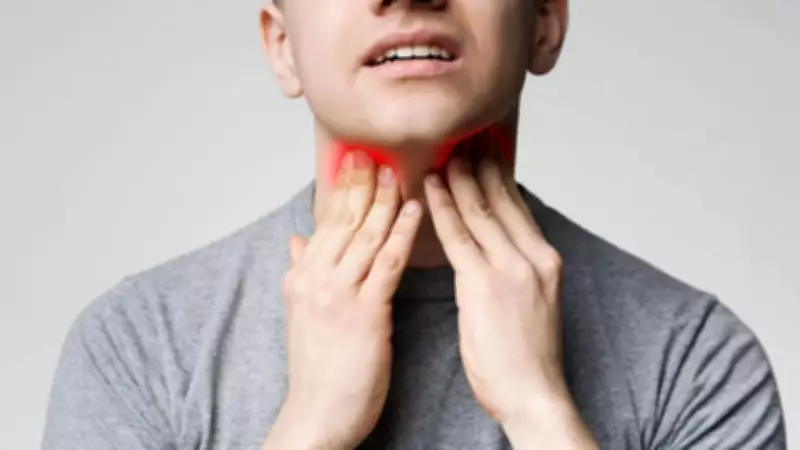
Head and neck cancers, once predominantly seen in older adults, are now increasingly affecting people in their 40s. Doctors across metropolitan cities and smaller towns are observing a consistent pattern: younger patients, late-stage diagnoses, and more aggressive disease progression. This shift raises an important question: what has changed in lifestyle, diet, and stress management that is driving this trend?
A Growing Burden That Cannot Be Ignored
India already bears one of the highest global burdens of head and neck cancers. Data from the Indian Council of Medical Research (ICMR) and the National Cancer Registry Programme indicates a steady rise in cancer incidence. According to GLOBOCAN 2020 estimates, cancer cases in India are expected to surge, with projections suggesting over 2 million new cases annually by 2040. Oral cancers alone account for nearly 20% of all cancers among Indian men. What is particularly alarming now is the age shift: more individuals in their 40s are being diagnosed, often at advanced stages. Early warning signs are frequently overlooked, and by the time patients seek medical help, treatment becomes complex and less effective.
Tobacco Remains the Leading Cause
Despite years of awareness campaigns, tobacco remains the single most significant risk factor. It is not limited to smoking; chewing gutka, paan, and khaini exposes the oral and throat lining to continuous irritation. Dr. Pratyush V, Consultant Medical & Hemato Oncology at Apollo Hospitals, Sheshadripuram, explains, “Tobacco continues to be the most important risk factor in India, whether smoked or chewed. Many patients do not realize how early damage begins.” The situation is exacerbated by early initiation of tobacco use, often in the teens or twenties. By the time users reach their 40s, the exposure has already persisted for decades, significantly increasing cancer risk.

The Dangerous Combination: Alcohol and Areca Nut
Alcohol consumption adds another layer of risk. On its own, alcohol can damage tissues, but when combined with tobacco, the carcinogenic effect multiplies. Areca nut, commonly known as supari, is often perceived as harmless but is far from it. Regular use can lead to oral submucous fibrosis, a condition where the mouth lining stiffens and loses elasticity, which can eventually turn cancerous. The cultural acceptance of these habits contributes to their continued use, as many individuals do not consider them risky. Late diagnosis remains a key challenge, but early detection and preventive habits can significantly reduce risk.
Emerging Risks: HPV, Stress, and Urban Lifestyles
Not all causes are traditional. Doctors are increasingly linking certain throat cancers to human papillomavirus (HPV) infection, particularly in urban populations. Lifestyle patterns have also shifted: long work hours, poor sleep, processed foods, and limited physical activity are taking a toll. Chronic stress weakens the body's ability to repair cellular damage. Air pollution, while not a primary cause, adds to cumulative risk through long-term exposure to pollutants. Even vaping, often marketed as a safer alternative, exposes the body to chemicals that may have long-term consequences.
Symptoms Often Ignored
One of the biggest reasons for late diagnosis is neglect of early symptoms. Common signs include: a mouth ulcer that does not heal, persistent hoarseness, difficulty swallowing, a lump in the neck, and unexplained bleeding or numbness. These symptoms are easy to dismiss, but delaying medical consultation can cost valuable time when treatment is most effective.
Prevention Is Still Within Reach
Encouragingly, many head and neck cancers are preventable. Simple steps can reduce risk: avoid all forms of tobacco, limit alcohol intake, stay away from areca nut products, maintain oral hygiene, eat a balanced diet with fresh foods, manage stress, and ensure adequate sleep. Regular self-examinations and early medical consultation can make a significant difference. Government-backed initiatives, such as those under the Ministry of Health and Family Welfare, promote cancer screening and awareness, especially through primary health centers. As Dr. Pratyush V emphasizes, “Many head and neck cancers can be detected early if people pay attention to warning signs and seek help without delay.”

A Shift That Needs Urgent Attention
The rise in cases among individuals in their 40s reflects deeper changes in lifestyle and environment. It is not just about individual habits; public health efforts must focus on awareness, early screening, and stricter control of tobacco products. As awareness grows, so does the opportunity to reverse this trend. However, that change begins with small, informed choices made every day.
Medical Experts Consulted
This article includes expert inputs shared with TOI Health by Dr. Pratyush V, Consultant Medical & Hemato Oncology at Apollo Hospitals, Sheshadripuram. Inputs were used to explain why cases of head and neck cancers are rising among Indians in their 40s and why early screening, lifestyle awareness, and timely medical consultation are crucial for prevention and effective treatment.
About the Author: Aadya Jha is a passionate writer and storyteller who crafts stories that enthrall readers. She explores the basic things with a passion for Lifestyle, illuminating the common.





