

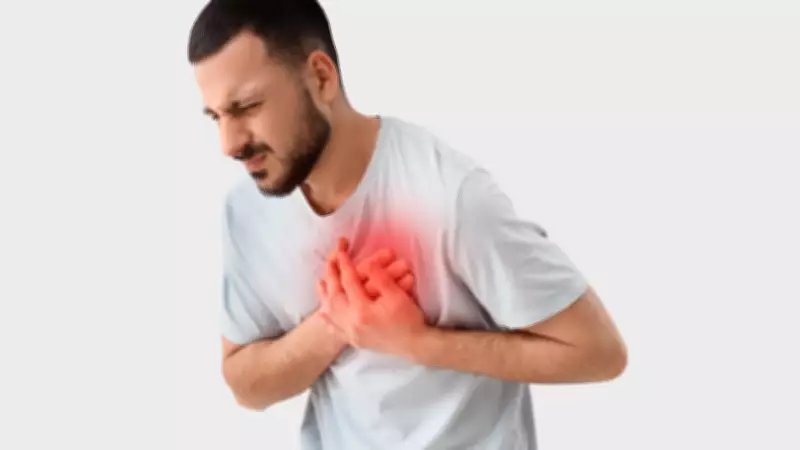
The Silent Buildup to a Heart Attack: Recognizing Early Warning Signs
A heart attack rarely arrives like a sudden storm. It builds quietly, often over years, and then reveals itself in a moment that feels abrupt and shocking. The truth is far more layered. The body sends signals, arteries undergo slow damage, and certain triggers act as the final push. Understanding what happens in those crucial moments before a heart attack can change outcomes, and in many cases, save lives.
It Doesn't Begin in a Moment: The Gradual Artery Damage
Inside the body, the story starts long before any pain is felt. Arteries that carry blood to the heart begin to change. Fatty deposits, known as plaque, slowly line their inner walls.
Dr Akhil Kumar Rustagi explains it clearly, "Heart attack does not just occur immediately, it happens gradually. The insides of the arteries become narrowed by fatty deposits (plaque) which limits the blood flow. Once one of these plaques tears open, a blood clot is created and it obstructs the artery, interrupting the supply of oxygen to the heart."

This process may take years, sometimes decades. During this time, the body adjusts, often without any visible symptoms. That is what makes it dangerous. The silence is misleading.
What Actually Damages the Arteries
Artery damage is not random. It follows patterns shaped by daily habits and long-term health conditions.
Dr Rustagi highlights the key causes, "Cholesterol and high blood pressure. Diabetes. Smoking. Poor diet and physical inactivity. These make arteries weaker and weaker without a complaint."
Each of these factors affects the inner lining of blood vessels:
- High cholesterol builds plaque
- High blood pressure creates stress on vessel walls
- Diabetes changes how blood interacts with those walls
- Smoking introduces toxins that speed up damage
According to a study published in the NIH, cardiovascular diseases account for a significant share of deaths in the country, often linked to these exact risk factors.
The Final Triggers That Tip the Balance
If artery damage is the slow buildup, triggers are the sudden spark. These are moments when the heart is pushed beyond its already strained capacity.
"Sudden stress or anger, heavy physical exertion, lack of sleep or dehydration—they may serve as the last stimulus in arteries which were damaged," says Dr Rustagi.
A person may feel fine one moment and unwell the next, but internally, the groundwork was already laid. A heated argument, an exhausting workout without preparation, or even a sleepless night can tip the balance.
This is why heart attacks sometimes occur during early morning hours or after emotional events. The body is already under stress.
The Warning Signs That Often Go Unnoticed
The body rarely stays completely silent. It sends signals, but they are often subtle, confusing, or dismissed.
Dr Rustagi points out, "Pain in the chest or the chest pressure. Shortness of breath. Unusual fatigue. Pain in arm, jaw, or back. Indigestion-like feeling. Such symptoms could manifest several days or weeks prior to a heart attack."
Many people mistake these signs for acidity, muscle strain, or simple tiredness. That delay can be costly.
The US National Heart, Lung, and Blood Institute (NHLBI) also notes that early symptoms may appear days before a major event, especially in women.
Why the Symptoms Feel So Confusing
One of the biggest challenges is that heart attack symptoms do not always look dramatic. They often mimic everyday discomforts.
- Chest pressure may feel like heaviness rather than sharp pain
- Breathlessness may be blamed on lack of fitness
- Fatigue may be written off as work stress
In some cases, especially among people with diabetes, symptoms may be mild or even "silent." This happens because nerve damage dulls pain signals. The result is a delayed response to a serious problem.
That is why awareness matters more than intensity. Even mild, repeated discomfort deserves attention.
Can This Process Be Stopped or Reversed?
The encouraging part is that this slow process can be slowed, and in some cases, partially reversed.

"Stay active and eat healthy. Regulate BP, sugar, and cholesterol. Avoid smoking. Get regular check-ups," advises Dr Rustagi.
These steps may sound simple, but their impact is powerful:
- Regular movement improves blood flow
- Balanced meals reduce plaque formation
- Routine check-ups catch problems early
The World Health Organization (WHO) states that most of premature heart disease can be prevented through lifestyle changes.
What We Need to Know
Heart attacks rarely come without warning. They are built on slow artery damage, shaped by lifestyle and health conditions, and triggered by sudden stressors. Recognizing early symptoms and acting on them can change outcomes dramatically. Prevention is not complicated, but it requires consistency and awareness.
Medical experts consulted: This article includes expert inputs shared with TOI Health by Dr Akhil Kumar Rustagi, HOD/ Senior Director - CTVS, Cardiac Sciences, ShardaCare-Healthcity. Inputs were used to explain what actually happens in the body before a heart attack, including the triggers, gradual artery damage, and the often-missed warning signs, and why recognizing these early and seeking timely medical advice can be life-saving.





