

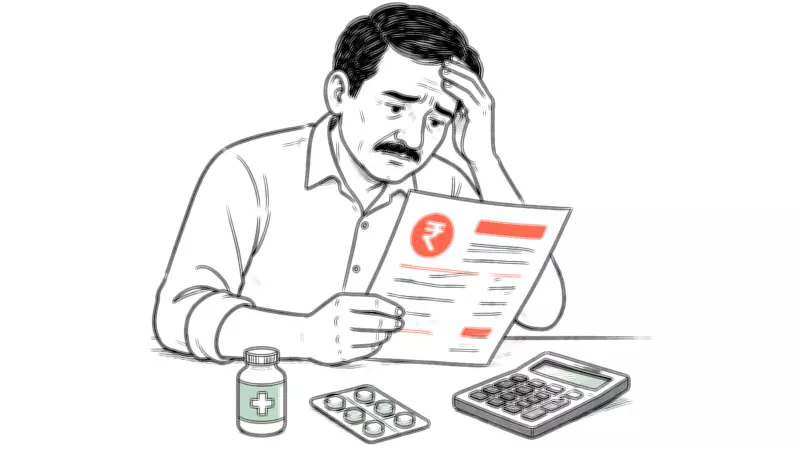
A concerning trend is emerging in India: younger individuals are increasingly succumbing to heart failure, with high treatment costs emerging as a critical factor. According to recent data and expert analyses, the financial burden of managing heart failure is pushing many patients, especially those in their 30s and 40s, into a cycle of debt and poor health outcomes.
The Rising Toll on the Young
Heart failure, once considered a condition of the elderly, is now affecting a younger demographic in India. Lifestyle changes, stress, and underlying conditions like diabetes and hypertension are contributing to early onset. However, the prohibitive cost of treatment is exacerbating mortality rates. A study published in the Indian Heart Journal indicates that out-of-pocket expenses for heart failure management can exceed Rs 1 lakh per year, a sum that is often unaffordable for many families.
Cost Breakdown and Financial Strain
The costs include medications, frequent hospitalizations, diagnostic tests, and in severe cases, surgeries like heart transplants or mechanical heart implants. For a young breadwinner, a heart failure diagnosis can mean loss of income and depletion of savings. Dr. Rajesh Sharma, a cardiologist at AIIMS, states, “We see patients who delay treatment due to cost, leading to irreversible damage. Many are unable to afford regular follow-ups or medications.”

Insurance Gaps
Health insurance coverage for heart failure is often inadequate. Many policies have caps on pre-existing conditions or exclude critical illnesses altogether. Even when covered, the reimbursement process is cumbersome, and patients end up paying upfront. The lack of widespread health insurance penetration in India leaves a large population vulnerable.
Expert Recommendations
To address this crisis, experts suggest several measures. First, increasing awareness about heart health and early symptoms can lead to timely intervention. Second, making essential cardiac medications more affordable through price regulation and generic alternatives. Third, expanding health insurance coverage with mandatory inclusion of heart failure management. Finally, strengthening primary healthcare to manage risk factors like hypertension and diabetes effectively.
The government has launched initiatives like Ayushman Bharat, but coverage remains limited. There is a pressing need for targeted policies that reduce the financial toxicity of heart failure. Without systemic changes, the trend of rising heart failure deaths among young Indians is likely to continue.






