

Himachal Government Withdraws Doctor Deputation Orders After Public Outcry in Banjar
In a significant development, the Himachal Pradesh government has officially revoked the deputation orders of three doctors assigned to the Banjar area in Kullu district. This decision comes in direct response to widespread protests by local residents, who expressed deep concerns over the potential impact on healthcare services in the region.
Background of the Deputation Orders
The controversy began when the state health department issued orders to depute three medical officers from their current postings in Banjar to other locations. These doctors were serving in key roles at local health facilities, including the Community Health Centre (CHC) in Banjar, which is a critical healthcare hub for the surrounding rural communities.
According to official sources, the deputation was part of a routine administrative reshuffle aimed at optimizing medical staff distribution across the state. However, the move was met with immediate resistance from the local population, who feared it would lead to a shortage of qualified medical professionals in an area already grappling with healthcare challenges.

Protests Erupt in Banjar
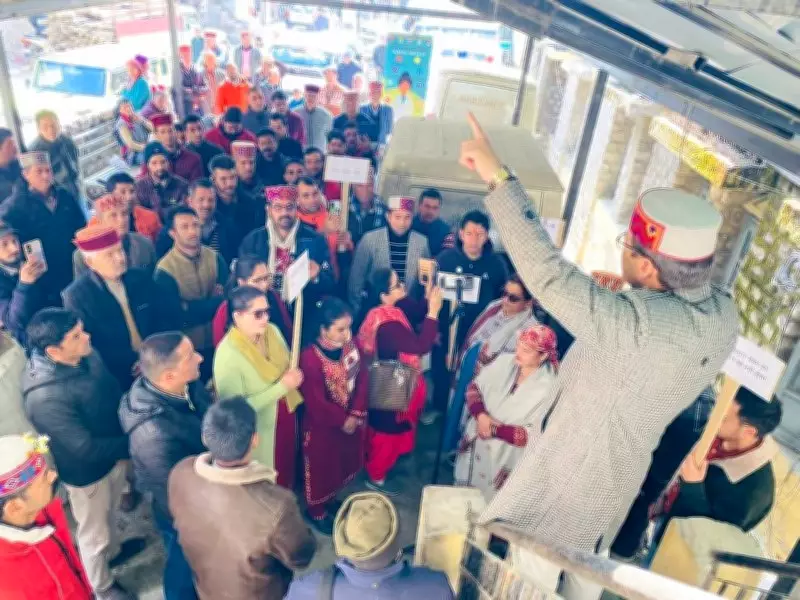
Residents of Banjar and nearby villages organized a series of protests to voice their opposition to the deputation orders. The demonstrations, which included rallies and sit-ins, highlighted the community's reliance on these doctors for essential medical care. Protesters argued that the transfer of these experienced practitioners would severely disrupt healthcare delivery, particularly for emergency services and routine treatments.
Local leaders and activists played a pivotal role in mobilizing the community, emphasizing that the deputation could exacerbate existing gaps in the healthcare infrastructure. They pointed out that Banjar, being a remote area, often faces difficulties in attracting and retaining medical staff, making the retention of these doctors crucial for public health.
Government Response and Revocation
Faced with mounting public pressure, the Himachal Pradesh government swiftly intervened to address the situation. Senior health officials reviewed the deputation orders and, after assessing the ground realities, decided to cancel them. This revocation ensures that the three doctors will continue their duties in Banjar, thereby maintaining continuity in medical services.
The government's decision has been welcomed by local residents, who see it as a victory for community advocacy and a recognition of the importance of accessible healthcare in rural regions. Officials have assured that future deputation plans will take into account local needs and feedback to avoid similar disruptions.
Implications for Healthcare in Himachal Pradesh
This incident underscores the ongoing challenges in healthcare management in Himachal Pradesh, particularly in remote districts like Kullu. Key points to consider include:
- The critical role of community engagement in shaping health policies.
- The need for balanced staff rotations that do not compromise local healthcare access.
- Potential reforms to improve medical staffing in underserved areas.
Experts suggest that this episode could prompt a broader review of deputation policies across the state, with a focus on ensuring equitable healthcare distribution. It also highlights the power of collective action in influencing administrative decisions, setting a precedent for other regions facing similar issues.
In conclusion, the revocation of the deputation orders for three doctors in Banjar marks a responsive move by the Himachal Pradesh government, prioritizing public health concerns over administrative reshuffles. This development is expected to bolster trust between the community and health authorities, paving the way for more collaborative healthcare governance in the future.






