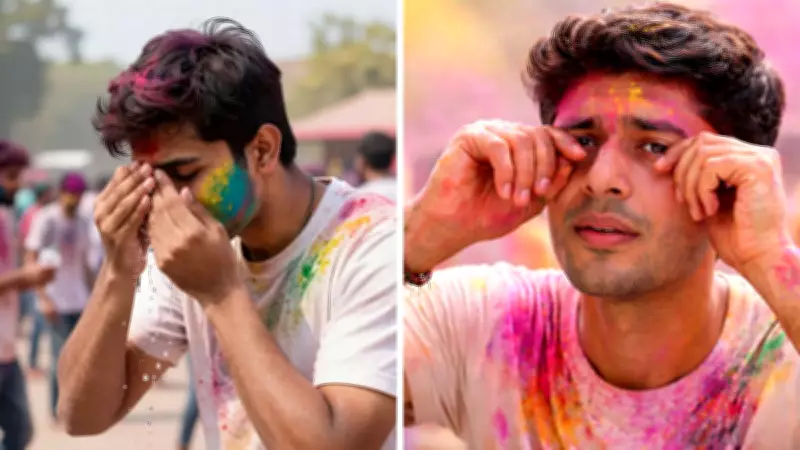
Holi Eye Injury First Aid: Essential Doctor Advice for Safe Celebrations
As the vibrant festival of Holi approaches, excitement fills the air with promises of colorful revelry and joyous gatherings. However, amidst the fun and festivities, there lies a significant risk of eye injuries from synthetic colors and water balloons. Medical experts emphasize that immediate and proper first aid is crucial to prevent severe damage and ensure a safe celebration. This comprehensive guide provides doctor-recommended steps to handle eye injuries effectively during Holi.
Understanding the Risks of Holi Colors
Holi colors, especially those made from synthetic chemicals, can pose serious threats to eye health. These colors often contain harmful substances like heavy metals, glass powder, or industrial dyes that can cause irritation, allergic reactions, or even corneal abrasions. Water balloons, a popular part of the festivities, can lead to blunt trauma or direct impact injuries to the eyes. Doctors warn that untreated eye injuries can result in infections, vision impairment, or permanent damage, making awareness and preparedness vital for all participants.
Immediate First Aid Steps for Eye Injuries
If an eye injury occurs during Holi, prompt action can mitigate harm. Follow these essential first aid measures as advised by healthcare professionals:

- Rinse the Eye Gently: Use clean, lukewarm water to flush out any color particles or foreign substances. Tilt the head to the side and pour water from the inner corner of the eye outward, avoiding direct pressure on the eyeball.
- Avoid Rubbing: Resist the urge to rub the eye, as this can push chemicals deeper or cause further abrasions. Instead, blink frequently to help natural tears wash out irritants.
- Remove Contact Lenses: If wearing contact lenses, take them out immediately to prevent trapping harmful substances against the eye surface.
- Apply a Cold Compress: For swelling or pain from impact injuries, gently place a cold, damp cloth over the closed eyelid to reduce inflammation and discomfort.
- Seek Medical Attention: If symptoms persist, such as redness, pain, blurred vision, or sensitivity to light, consult a doctor or visit an emergency room without delay for professional evaluation and treatment.
Preventive Measures to Avoid Eye Injuries
Prevention is always better than cure, and doctors strongly recommend taking proactive steps to safeguard your eyes during Holi. Consider these safety tips:
- Use Protective Eyewear: Wear sunglasses, goggles, or other eye protection to shield your eyes from direct contact with colors and water.
- Choose Natural Colors: Opt for organic or herbal Holi colors made from safe ingredients like turmeric or flower extracts, which are less likely to cause harm.
- Avoid Water Balloons: Refrain from using water balloons, as they can cause significant impact injuries; instead, use gentle water sprays or pichkaris.
- Keep Eyes Closed: When applying colors to others, ensure they close their eyes tightly to minimize the risk of accidental entry.
- Educate Children: Teach kids about the dangers of synthetic colors and supervise their play to prevent mishaps.
Long-Term Care and Recovery
After an eye injury, proper follow-up care is essential for full recovery. Doctors advise avoiding further exposure to colors or irritants until the eye heals completely. Use prescribed eye drops or medications as directed, and attend follow-up appointments to monitor healing progress. In cases of severe injuries, such as corneal scratches or infections, specialized treatment may be necessary to restore vision and prevent complications.
By following this doctor-approved advice, you can enjoy Holi with peace of mind, knowing you are prepared to handle any eye-related emergencies. Remember, a little caution goes a long way in ensuring that the festival remains a joyful and safe experience for everyone involved.