

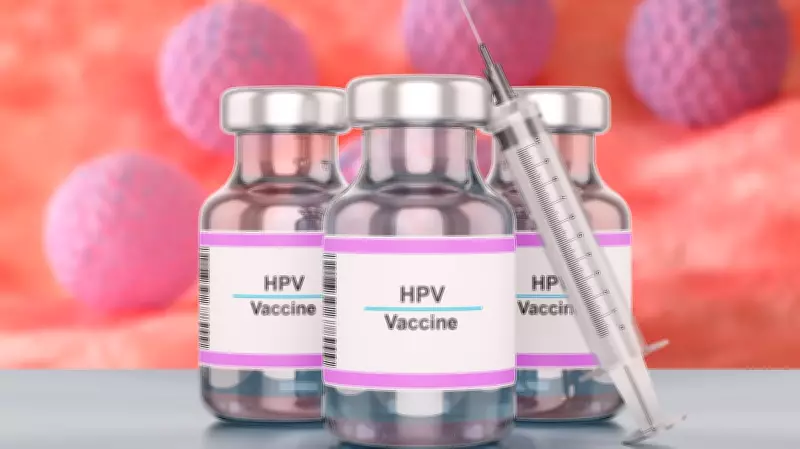
HPV Vaccine: A Comprehensive Guide to Prevention and Health
The Human Papillomavirus (HPV) vaccine is a critical tool in modern healthcare, designed to protect against infections caused by HPV, a common virus linked to various cancers and health issues. This vaccine plays a pivotal role in preventing cervical cancer, which is one of the leading causes of cancer-related deaths among women globally. By understanding the vaccine's purpose, administration, and safety, individuals can make informed decisions about their health.
What Is the HPV Vaccine and Why Is It Important?
The HPV vaccine targets specific strains of the human papillomavirus, notably types 16 and 18, which are responsible for approximately 70% of cervical cancer cases. HPV is a sexually transmitted infection that can also cause other cancers, such as those of the anus, penis, throat, and vulva, as well as genital warts. Vaccination helps reduce the risk of these conditions by building immunity against the virus before exposure occurs.
Globally, cervical cancer affects hundreds of thousands of women each year, with many cases preventable through vaccination. The vaccine is most effective when administered before individuals become sexually active, as it provides protection prior to potential HPV exposure. This proactive approach underscores its importance in public health initiatives aimed at reducing cancer incidence and improving overall well-being.

Recommended Dosage and Administration Guidelines
The HPV vaccine is typically administered in a series of doses to ensure optimal protection. For most individuals, the standard regimen involves two doses if the first dose is given between the ages of 9 and 14. The second dose should be administered 6 to 12 months after the initial shot. For those who start vaccination at age 15 or older, or for individuals with weakened immune systems, three doses are recommended, with the second dose given 1 to 2 months after the first, and the third dose 6 months after the initial dose.
It is crucial to follow the recommended schedule to maximize the vaccine's effectiveness. Healthcare providers advise completing the full series to achieve long-lasting immunity. The vaccine is generally given via injection in the upper arm or thigh, and it is well-tolerated by most recipients. Regular check-ups with a healthcare professional can help ensure timely administration and address any concerns.
Safety Profile and Common Side Effects
The HPV vaccine has undergone extensive clinical trials and is considered safe and effective by health authorities worldwide, including the World Health Organization (WHO) and the Centers for Disease Control and Prevention (CDC). Common side effects are usually mild and temporary, such as pain, redness, or swelling at the injection site. Some individuals may experience headaches, dizziness, or mild fever, which typically resolve within a few days.
Serious adverse reactions are rare, and the benefits of vaccination in preventing cancer far outweigh the risks. It is important to discuss any pre-existing health conditions or allergies with a healthcare provider before vaccination. Ongoing monitoring and research continue to support the vaccine's safety, making it a reliable option for disease prevention.
Who Should Get Vaccinated and Key Considerations
The HPV vaccine is recommended for both males and females, ideally between the ages of 9 and 26. Vaccination at a younger age, before potential exposure to HPV, provides the best protection. However, adults up to age 45 may also benefit from the vaccine, especially if they have not been previously vaccinated or have new risk factors. Consulting with a healthcare provider can help determine individual suitability based on age, health status, and lifestyle.
In addition to vaccination, regular screening tests, such as Pap smears for cervical cancer, are essential for early detection and prevention. Public health campaigns emphasize the importance of combining vaccination with routine check-ups to enhance overall cancer prevention strategies. By staying informed and proactive, individuals can significantly reduce their risk of HPV-related health issues.

In summary, the HPV vaccine is a vital preventive measure against cervical cancer and other HPV-associated conditions. With proper dosage, adherence to safety guidelines, and timely administration, it offers a powerful shield for long-term health. Embracing vaccination as part of a comprehensive healthcare plan can lead to healthier communities and a reduction in cancer burdens worldwide.





