Father-Son Duo Electrocuted in Kilimanoor Farm, Highlighting Kerala's Illegal Fencing Crisis
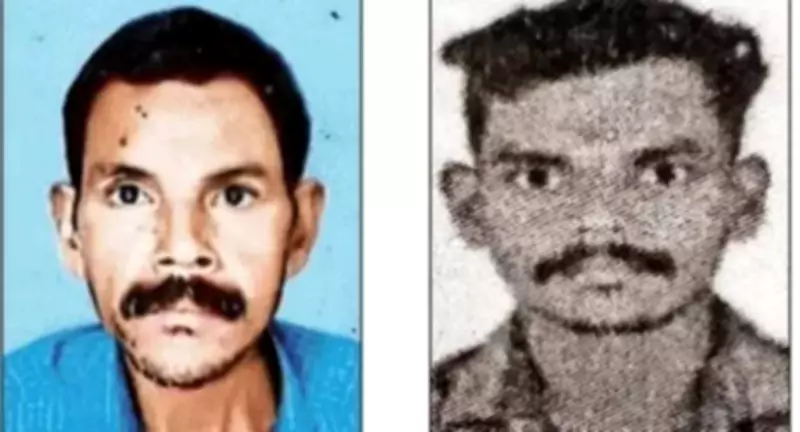
KOCHI: In a tragic incident that underscores a persistent public safety hazard, a father-son duo was electrocuted early Tuesday morning in Kilimanoor, Thiruvananthapuram. The victims, identified as Kochunni (58) and his son Akhil (35), were found dead in a water canal inside a tapioca farm located near the Kilimanoor block panchayat office.
Steadily Rising Death Toll from Unauthorized Electrified Fences
Preliminary investigations by authorities revealed that two parallel metal wires had been illegally drawn across the farm and connected to an external power source. This setup, intended to deter wild boar intrusion, turned lethal. According to official data from the state's Electrical Inspectorate, this incident adds to a grim statistic: 61 people have been electrocuted in Kerala due to illegal electrical fencing over the past four years.
The death toll has shown a disturbing and steady increase year after year. Records indicate seven fatalities in the 2021–22 period, which rose to 14 the following year. The number climbed to 16 in 2023–24 and has surged to 24 in the 2024–25 period so far, painting a clear picture of an escalating danger.

Power Theft and Lethal Traps for Humans and Animals
Officials from the Kerala State Electricity Board (KSEB) explained that power for these illegal fences is typically tapped directly from the board's distribution lines or diverted from domestic connections. These unauthorized electrified barriers are commonly erected around house compounds and agricultural lands with the primary aim of protecting crops from wild animals, particularly wild boars. In some cases, they are also used to trap and hunt these animals.
"Boundary fences often turn into lethal traps for both humans and animals," officials stated, emphasizing the dual threat. It is noteworthy that the state government has permitted the culling of wild boars by licensed shooters in response to widespread crop damage. While the forest department initially managed this, local bodies have now been entrusted with addressing the issue.
Organized Lobbies, Weak Deterrents, and Evidentiary Challenges
A district officer from the Electrical Inspectorate highlighted several systemic problems. "Though erecting illegal electrical fencing is a punishable offence, it attracts only a fine and not imprisonment. This does not act as an effective deterrent, and that is why such incidents continue to occur," the officer said.
The officer further revealed the involvement of organized networks. "There are organised lobbies involved in supplying wild boar meat to hotels, and they install illegal fencing at night to trap the animals," he explained. He added that locals often claim ignorance during investigations, either due to genuine unawareness or fear of retribution from those involved.
To combat this, the officer suggested promoting approved solar fencing systems, which release only intermittent pulses of electricity rather than continuous, lethal voltage. He also advocated for better monitoring through smart meters and careful analysis of irregular power consumption patterns during routine meter readings.
Destruction of Evidence and Prosecution Hurdles
A senior KSEB official detailed the methods used by offenders, who draw power from the grid or solar setups, often using inverters to supply continuous voltage. "They often remove the wires immediately after a fatal incident, destroying evidence and weakening prosecution," the official noted.
He stressed the need for robust evidence collection. "Police must collect maximum technical and forensic evidence to secure a conviction. In many cases, the evidence does not stand up to scrutiny in court and the accused walk free," he said, pointing to a significant challenge in achieving justice and preventing future tragedies.
The deaths of Kochunni and Akhil serve as a stark reminder of the urgent need for stricter enforcement, public awareness, and technological solutions to curb the menace of illegal electric fencing in Kerala.