

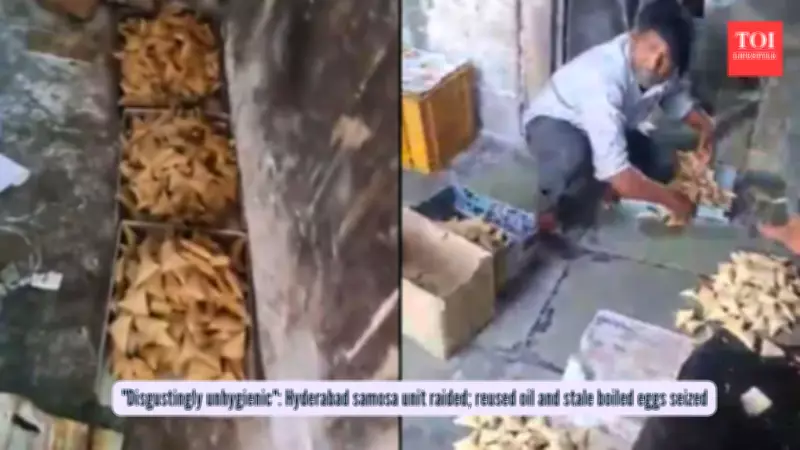
Hyderabad Samosa Factory Raid Exposes Gross Food Safety Violations
Samosas stand as one of India's most cherished street foods, illuminating evenings across the nation with their crispy texture and spicy fillings. Particularly in Northern India, these crunchy delights are ubiquitous, sold by vendors from bustling railway stations to upscale five-star restaurants, often paired with steaming cups of tea.
However, behind the alluring aroma lies a hazardous reality where hygiene is frequently compromised for profit. A recent news report has alarmed samosa enthusiasts, serving as a stark reminder that this quick snack can pose significant health risks, eroding trust in a beloved culinary staple.
Raid Uncovers Illegal Samosa Factory in Hyderabad
In a significant crackdown, Hyderabad's Food Adulteration Surveillance Team (H-FAST) and Kulsumpura Police recently busted a large illegal samosa manufacturing unit in Jiyaguda. According to an NDTV report, the operation was conducted without any essential licenses, including those from the Food Safety and Standards Authority of India (FSSAI), Trade Licence, or Fire Safety clearance.

Run by 73-year-old proprietor Abdul Rasheed, the factory was found to be using spoiled and substandard ingredients. Investigators discovered that the food prepared on-site was made with these compromised materials, blatantly violating safety protocols and endangering public health.
Officers described the conditions as "grossly unhygienic," far below basic food standards. Specific findings included stale boiled eggs and cooking oil that had been reused multiple times, practices that directly contravene food safety regulations.
Seizure of Contaminated Items and Arrest
Authorities seized contaminated items, raw materials, and equipment valued at approximately Rs 5 lakh. As per details from Siasat Daily, this seizure encompassed various types of samosas, maida (flour), sweet corn, and other supplies, along with preparation machinery.
Specific contents listed in the raid, as reported by Deccan Chronicle, included around 500 spoiled boiled eggs, 5 kg of reused cooking oil, 350 egg samosas, 600 sweet corn samosas, and 1000 onion variety samosas.
Proprietor Abdul Rasheed was arrested, with legal action initiated against him under food safety laws at Kulsumpura Police Station. The raid, supervised by the Task Force and Food Safety Officers, aimed to curb such public health dangers, according to ANI News coverage.
Broader Implications and Consumer Safety
As urban populations expand and demand for quick snacks soars, unscrupulous operations often cut corners by using low-quality ingredients and employing dirty tricks, putting consumer health at severe risk. This incident serves as a critical wake-up call, urging smarter purchasing habits.
Consumers are encouraged to scrutinize vendors, ask pertinent questions, and prioritize safety over mere cost savings. Authorities have reinforced that consumer safety is a shared responsibility, urging locals to report suspicious food establishments to help prevent similar hazards.
This raid underscores the ongoing challenges in maintaining food safety standards in India's vibrant street food culture, highlighting the need for vigilant enforcement and informed consumer choices to protect public health.






