

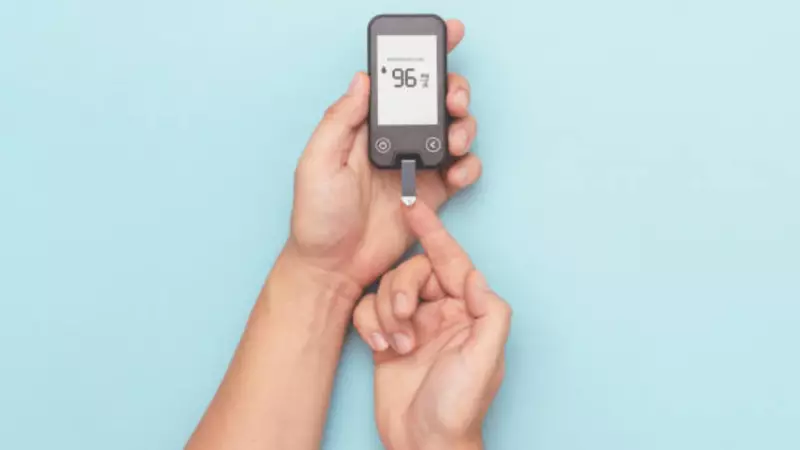
The rise of diabetes in India has been a gradual but relentless process, mirroring profound shifts in our daily lifestyles. This health challenge did not emerge overnight but has steadily grown alongside changing habits that now define modern living.
The Silent Progression of a National Health Crisis
Our contemporary routines have created an environment where physical activity has diminished while consumption of processed and packaged foods has increased significantly. Meal portions have expanded, sleep duration has contracted, stress levels remain persistently high, and sedentary behavior has become the norm for many.
What makes this situation particularly concerning is that diabetes often affects individuals who may not exhibit traditional signs of poor health. Many people who appear outwardly healthy are now grappling with insulin resistance, a precursor to more serious metabolic issues.

The Staggering Scale of India's Diabetes Burden
Current epidemiological data reveals a truly alarming picture. India is home to more than 100 million adults diagnosed with diabetes. Beyond this already substantial number, an additional 130 to 140 million people are estimated to have prediabetes—a condition characterized by elevated blood sugar levels that haven't yet reached the diagnostic threshold for diabetes.
Most concerning is that the majority of those with prediabetes remain unaware of their condition. The rapid acceleration of diabetes prevalence across the population represents a significant public health challenge, with diagnosis occurring at increasingly younger ages.
Medical professionals now regularly encounter type 2 diabetes in patients in their twenties and early thirties, a phenomenon that was once considered rare. This earlier onset translates to prolonged exposure to elevated blood glucose levels, substantially increasing the risk of serious complications later in life.
The Awareness Gap: Why Millions Remain Unaware
A critical factor in India's diabetes challenge is the substantial awareness deficit. Approximately half of all individuals living with diabetes in the country remain undiagnosed. This knowledge gap stems from multiple factors, beginning with the insidious nature of the condition itself.
During its initial stages, diabetes typically presents without dramatic symptoms. Unlike many illnesses that announce themselves with pain or fever, early diabetes may manifest as mild fatigue, increased thirst, or sometimes no noticeable symptoms at all. Consequently, many people don't feel sufficiently unwell to seek medical testing.
Compounding this problem are persistent misconceptions about diabetes risk factors. Many still believe that diabetes only affects those who consume excessive sugar, struggle with weight management, or have a strong family history of the condition. Individuals who don't fit these stereotypes often assume they're immune, delaying preventive screening.
Furthermore, routine preventive health examinations have not yet become standard practice for most Indians, particularly among those who feel generally healthy. This combination of subtle symptoms and prevailing misconceptions creates a perfect storm for delayed diagnosis and treatment.
The Challenge of Diabetes Management
Even among those who receive a diabetes diagnosis, effective management remains elusive for many. Medication adherence is often inconsistent, lifestyle modifications can feel overwhelming or impractical, and regular medical follow-ups frequently don't occur as recommended.
This management gap allows serious complications to develop gradually over time. Cardiovascular disease, renal impairment, neurological damage, and hepatic steatosis (fatty liver disease) represent just some of the potential consequences that can emerge when diabetes remains poorly controlled.
The true danger of diabetes lies in its systemic impact—it doesn't merely affect blood sugar regulation but can gradually compromise nearly every organ system in the body.
Expert Perspectives on Diabetes Management
India has moved beyond merely facing a diabetes problem; we now confront a diabetes reality. The condition has become commonplace, frequently asymptomatic in its early stages, and intimately connected to contemporary lifestyle patterns.

TOI Health recently interviewed Dr. Aishwarya Krishnamurthy, Senior Consultant in Endocrinology and Diabetes at Max Super Speciality Hospital in Vaishali, to gain expert insights into diabetes management and common misconceptions surrounding the condition.
Can Diabetes Truly Be Reversed?
Dr. Krishnamurthy addresses a frequently misunderstood concept: "The medical community considers that reversal of diabetes can be misleading. From a medical standpoint, it is much more appropriate to say that there is remission of type 2 diabetes as it refers to the period of time where one's blood glucose levels are in the normal range without reliance on medications. However, this does not eliminate the fact that there remains a propensity for an individual to develop diabetes and therefore, they must continue to have regular monitoring with a healthy lifestyle."
Dangerous Misinformation and Viral "Cures"
When asked about misleading diabetes treatments circulating online, Dr. Krishnamurthy warned: "Claims that type 2 diabetes can be cured with one type of food, herbal drink, detoxification, or severe caloric restriction through fasting represent the greatest danger to people with type 2 diabetes. Juice cleanses, unknown herbal mixtures, and prolonged periods of fasting can further increase an individual's blood glucose levels to an extent that will lead to their becoming more dehydrated, potentially suffering from hypoglycaemia and delaying treatment until serious health complications arise."
The Role of Diet and Weight Management
Regarding dietary interventions, Dr. Krishnamurthy explained: "In selected individuals diagnosed with early stage type 2 diabetes, dietary modifications and losing excess body weight can enable remission. Based on research, a loss of approximately 10-15% of one's total body mass can contribute to the improvement of an individual's insulin sensitivity. Nevertheless, individual responses to such intervention depend on many variables including duration since the onset of diabetes, family genetics and pancreatic function."
Realistic Timelines for Improvement
Managing expectations is crucial in diabetes care, as Dr. Krishnamurthy noted: "There is a time gap of several weeks or months before noticeable changes occur in your health; therefore, you shouldn't expect immediate results. The doctor states that it can take 4-12 weeks after making consistent lifestyle changes to see early signs of improvement. If you expect to see immediate improvement, you will become frustrated and likely engage in unsafe behaviours. Also, the long-term success of your diabetes management will require ongoing patience, continued monitoring, and the continued application of healthy living."
The Risks of Unsupervised Medication Changes
Dr. Krishnamurthy emphasized the dangers of altering medication without medical guidance: "Stopping diabetes medications without physician oversight is very risky. You run the risk of having extremely high blood sugar levels and sustaining long-term damage to your organs. Physicians remind patients that any changes should only be made to the patient's diabetes medication after performing blood tests and evaluating the patient clinically. This evaluation is critical to ensure the patient's blood sugar remains stable and no complications arise."
Evidence-Based Lifestyle Interventions
When discussing proven management strategies, Dr. Krishnamurthy highlighted: "There are many evidence-based treatment options that will help individuals with diabetes manage their diabetes effectively. For example, even thirty minutes of daily walking will increase your body's sensitivity to insulin. In addition, strength training is essential in preserving muscle mass, which allows your body to better regulate blood sugar levels."
Navigating Social Media Health Trends
Finally, Dr. Krishnamurthy offered guidance for those confused by online health information: "When it comes to anything health-related online, patients need to be careful about trends claiming quick fixes or results. Stick with evidence-based resources provided by qualified health professionals familiar with your medical history over viral claims made about various health modalities."
Moving Forward with Awareness and Action
India's diabetes reality demands a multifaceted response that combines increased public awareness, improved screening practices, and evidence-based management strategies. The insights from medical experts like Dr. Krishnamurthy underscore the importance of distinguishing between scientifically validated approaches and misleading quick-fix solutions.
As diabetes continues to affect millions across the country, developing sustainable lifestyle habits, maintaining regular medical monitoring, and approaching health information with critical discernment will be essential for individual and collective wellbeing.





