

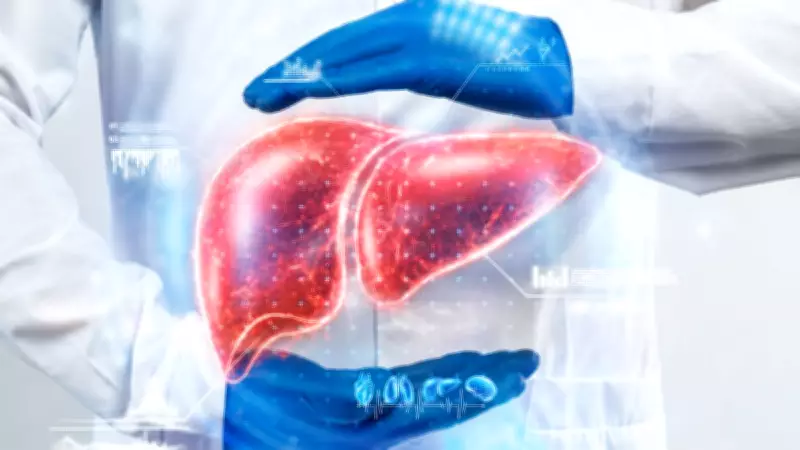
India is on the brink of a major health crisis as non-alcoholic fatty liver disease (NAFLD) is projected to affect one in three Indians by 2026, according to a new study. The alarming rise is linked to increasing obesity, sedentary lifestyles, and poor dietary habits.
Current Prevalence and Projections
Currently, about 25-30% of India's population suffers from NAFLD, but this number is expected to climb to 33% within the next two years. The condition, which involves fat accumulation in the liver without significant alcohol consumption, can progress to more severe liver diseases such as cirrhosis and liver cancer.
Key Drivers of the Epidemic
Experts point to several factors fueling the rise:

- Obesity: India has seen a dramatic increase in obesity rates, with nearly 40% of adults now overweight or obese.
- Sedentary Lifestyle: Urbanization and desk jobs have reduced physical activity levels.
- Unhealthy Diet: High consumption of processed foods, sugar, and unhealthy fats contributes to fat accumulation in the liver.
Health Implications
NAFLD is often silent in its early stages, but it can lead to non-alcoholic steatohepatitis (NASH), which causes inflammation and liver damage. If left unchecked, NASH can progress to cirrhosis, liver failure, or liver cancer. The economic burden is also significant, with increased healthcare costs and loss of productivity.
Prevention and Management
Doctors emphasize that NAFLD is reversible with lifestyle changes:
- Weight Loss: Losing 5-10% of body weight can significantly reduce liver fat.
- Healthy Diet: A diet rich in fruits, vegetables, whole grains, and lean proteins while limiting sugar and saturated fats.
- Regular Exercise: At least 150 minutes of moderate-intensity exercise per week.
- Avoid Alcohol: Even moderate alcohol consumption can worsen liver damage.
Public Health Response
The Indian government and health organizations are ramping up awareness campaigns. Screening programs are being encouraged, especially for high-risk groups such as those with diabetes, hypertension, or obesity. However, experts call for more aggressive policy measures, including taxation on sugary drinks and promoting physical activity in schools and workplaces.
The study underscores the urgent need for action to prevent India from becoming the world capital of liver disease. With timely interventions, the trajectory can be changed, but it requires collective effort from individuals, healthcare providers, and policymakers.






