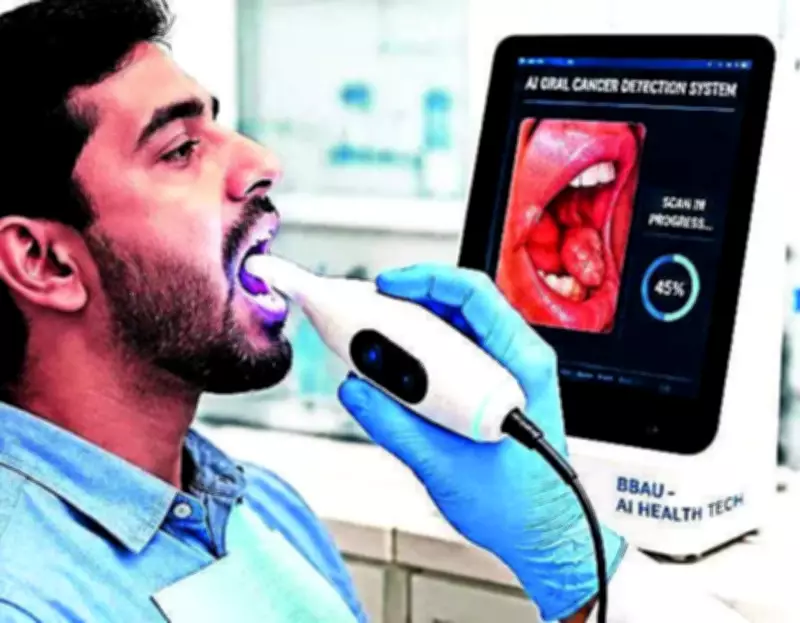
Mumbai: India continues to grapple with one of the world's heaviest oral cancer burdens, and doctors warn that most patients still reach hospitals at a very advanced stage of the disease. Tobacco consumption remains the primary cause, but a growing number of younger patients are being diagnosed with human papillomavirus (HPV)-linked cancers, particularly those associated with HPV-16 infection, according to doctors at the Head & Neck Cancer Institute of India (HNCII) in Mazgaon. May 31 is observed as World No Tobacco Day.
Analysis of Cancer Surgeries
Sharing an analysis of 5,135 cancer surgeries conducted at the hospital between August 2023 and December 2025, HNCII doctors revealed that nearly half of all head-and-neck cancer cases were linked to tobacco use. More than 60% of the surgical burden came from Maharashtra and Uttar Pradesh, both states with high tobacco consumption. According to Global Cancer Observatory (GLOBOCAN) estimates, approximately 200,000 (17%) head-and-neck cancers are diagnosed annually in India.
Population-Based Registry Data
Data from 36 population-based registries and six hospital-based cancer registries in India indicate that, irrespective of geographical location, oral cancers are leading cancers in all registries, as reported by the National Centre for Disease Informatics and Research (NCDIR). This finding is supported by a research paper from Tata Memorial Centre doctors, published in The Indian Journal of Medical Sciences in 2003. Tata Memorial Hospital (TMH) registers over 50,000 cancers annually, of which 35% are head-and-neck cancers.

Regional Burden and Delayed Diagnosis
The HNCII data showed that Maharashtra accounted for 1,497 head-and-neck cancer surgeries among 1,822 patients, while Uttar Pradesh recorded 1,619 surgeries among 1,693 patients. Delayed diagnosis remains a major concern: only 19% of patients were diagnosed in early stages, while over one-fifth had already progressed to Stage III or IV disease by the time they sought treatment.
"The real concern is not just how many patients we are seeing, but how late they are coming to us," said Dr Sultan Pradhan, founder and senior surgical oncologist at HNCII. "These are cancers that are largely preventable, yet tobacco use continues to drive a significant proportion of cases."
Risk Factors and Prevention
Experts say tobacco consumption — including gutka, khaini, and smoking products — continues to be the single biggest risk factor. For a majority of patients who come late for treatment, the window for simpler, more effective treatment is already missed, increasing both treatment complexity and the risk of poor outcomes. Cancer specialists emphasize that the findings underline the urgent need for stricter tobacco-control measures, wider screening programmes, and greater public awareness to curb India's rising oral cancer burden.