

Indian Stroke Association Launches Groundbreaking Stroke Care Pilot in Andhra Pradesh
The Indian Stroke Association (ISA) has officially launched a significant pilot initiative in Andhra Pradesh, specifically targeting the Guntur district. This program is strategically designed to strengthen the entire stroke care pathway and dramatically improve the timely treatment available for patients suffering from acute brain stroke. The initiative represents a critical step toward establishing a comprehensive and scalable model for stroke management that could eventually be implemented across the entire country.
Addressing a Critical Health Challenge
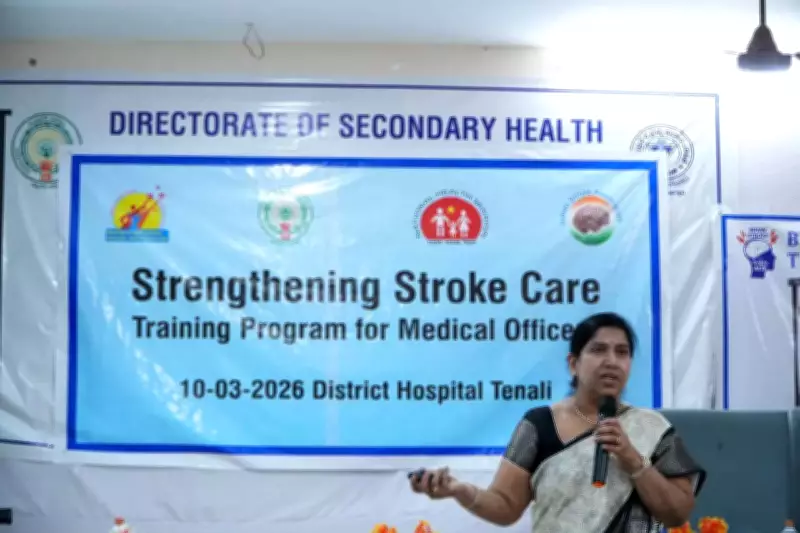
Speaking at a specialized training program for medical officers in Guntur, ISA president Dr. P. Vijaya provided crucial insights into the urgency of this initiative. She emphasized that stroke remains one of the leading causes of death and long-term disability worldwide, with ischemic stroke being the most prevalent form. Dr. Vijaya explained that while evidence-based treatment in the form of clot-busting drugs is available for ischemic stroke, its effectiveness is entirely dependent on timely intervention.
The thrombolytic therapy must be administered within a critical window of four-and-a-half hours from the onset of symptoms to save lives and prevent permanent disability, she stated. Therefore, building a strong, efficient, and well-coordinated stroke care pathway is absolutely essential to ensure that patients are identified early and transported quickly to appropriate medical facilities where these life-saving treatments can be provided without delay.

Bridging the Gap Between Availability and Access
Dr. Vijaya highlighted the proactive role of the Andhra Pradesh state government, which is already providing the commonly used thrombolytic drug Tenecteplase (TNK) free of cost at designated health centers. However, she pointed out a significant gap: the availability of the drug alone is not sufficient. A meticulously coordinated system is required to ensure that patients can actually reach these treatment centers within the narrow therapeutic window.
The newly launched pilot program aims to address this exact gap by strengthening coordination between frontline health workers, paramedics, and hospitals, ensuring that stroke patients receive the right care at the right time. This program has been launched by the ISA in association with the National Health Mission, Andhra Pradesh, marking a collaborative effort to improve public health outcomes.
Training as the Foundation for Expansion
As part of the first phase of this ambitious project, medical officers in Guntur district are receiving intensive training on the early identification, initial management, and proper referral of stroke cases. This training program is expected to serve as a foundational model for expanding similar educational initiatives across other districts in Andhra Pradesh and, ultimately, throughout India.
Officials involved in the program assert that creating a well-defined and efficient stroke care pathway will significantly improve patient survival rates and substantially reduce the incidence of long-term disability. Early recognition of stroke symptoms and the rapid transportation of patients to hospitals equipped with thrombolytic therapy facilities are considered the two most critical components of effective stroke management.
Broad Support from Health Authorities
The launch event and training program were attended by several senior health officials, demonstrating broad institutional support. Key attendees included Dr. K. Narasinga Rao, State NCD Joint Director; Dr. Raghavendra Patel, state NCD–WHO consultant; Dr. Swapna, state NCD Nodal officer and director of secondary health; and Dr. Annapurna, deputy district medical and health officer. Their presence underscores the collaborative commitment to transforming stroke care in the region and setting a new standard for medical emergency response.






