

Jaipur's Sushilpura Residents Grapple with Fear After Sewage-Contaminated Water Incident
Residents of Sushilpura in the Civil Lines constituency of Jaipur are still living in a state of apprehension and distress, days after a severe incident where sewage-contaminated drinking water left numerous individuals unwell. The crisis began last Tuesday when a malfunction led to sewage mixing with the municipal water supply, resulting in widespread reports of vomiting, diarrhoea, and intense stomach pain among the local population.
Official Response and Initial Repairs
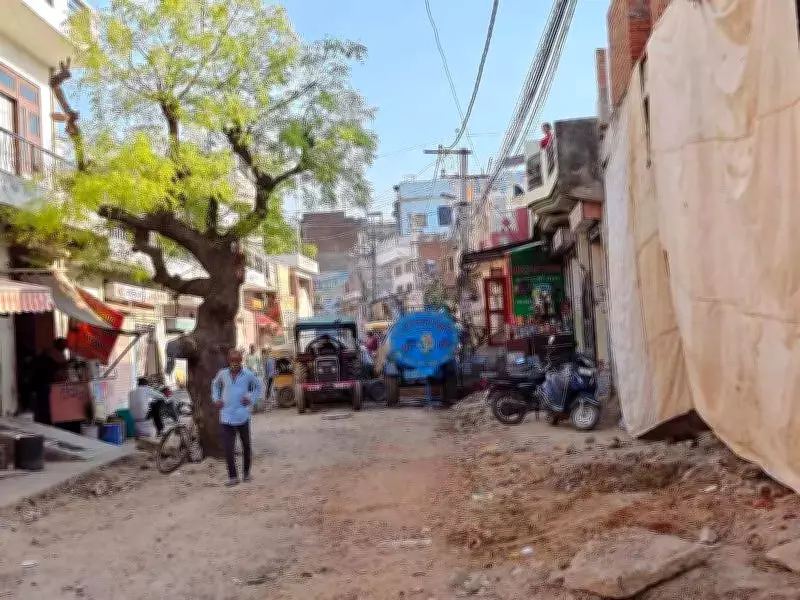
In response to the escalating health emergency, local MLA Gopal Sharma promptly visited the affected area. He issued directives to officials, urging them to address the damaged sewer lines and water pipelines on an urgent basis. Within a week, the necessary repairs were completed, and water supply to homes was officially restored. On Saturday, Public Health Engineering Department (PHED) officials conducted comprehensive door-to-door water testing campaigns, assuring residents that the water was now safe for consumption. Additionally, road repair work commenced on Monday to restore normalcy in the locality.
Residents' Lingering Trauma and Distrust
Despite these official measures, the psychological and physical impact of the past week's ordeal remains deeply entrenched among the residents. Surendra Chauhan, who operates an electrical shop in the area, recounted his harrowing experience: "I suffered from vomiting, diarrhoea, and severe stomach pain for four to five days. Although the water supply has resumed, the fear persists. I am still purchasing water cans for my family's needs. We will only use the pipeline water for bathing purposes, not for drinking."

Santosh Yadav echoed similar sentiments, highlighting the health repercussions: "Water has returned, but our health has not fully recovered. My son was preparing for his BA examinations, but he became so debilitated due to illness that he had to miss his papers entirely."
Ongoing Concerns and Economic Exploitation
Mangidevi, a resident living with her granddaughters and tenants, pointed towards stored water and expressed skepticism: "Water tankers are still arriving, but there is no fixed schedule. The pipeline water continues to appear yellowish and emits an unpleasant odour. How can we possibly consider drinking it?" She further highlighted the economic exploitation faced by residents: "Water cans that previously cost Rs 20 are now being sold for Rs 50. People are taking undue advantage of our vulnerable situation."
Her tenant, Mohammad Gufran, added to the chorus of distrust: "Officials have informed us that the water is safe, but after the traumatic experience we endured, it is exceedingly difficult to trust their assurances. Even now, the water does not appear clean. It feels as though the pipeline repairs were conducted hastily without adequate cleaning procedures."
Persistent Doubts and Unresolved Issues
Amit Verma raised further concerns regarding the ongoing situation: "If the water is genuinely safe, why are water tankers still being supplied to the area? My mother continues to be unwell, and I have only just managed to return to my work. Regardless of what the authorities claim, we firmly believe that the problem has not been entirely resolved."
Conclusion: A Community in Limbo
While the authorities maintain that the situation is now under control, for the residents of Sushilpura, the experience has instilled a profound sense of fear and uncertainty. The physical repairs may have been completed, but the emotional and psychological scars, coupled with lingering doubts about water safety, indicate that full recovery will require considerable time and sustained efforts to rebuild trust.






