

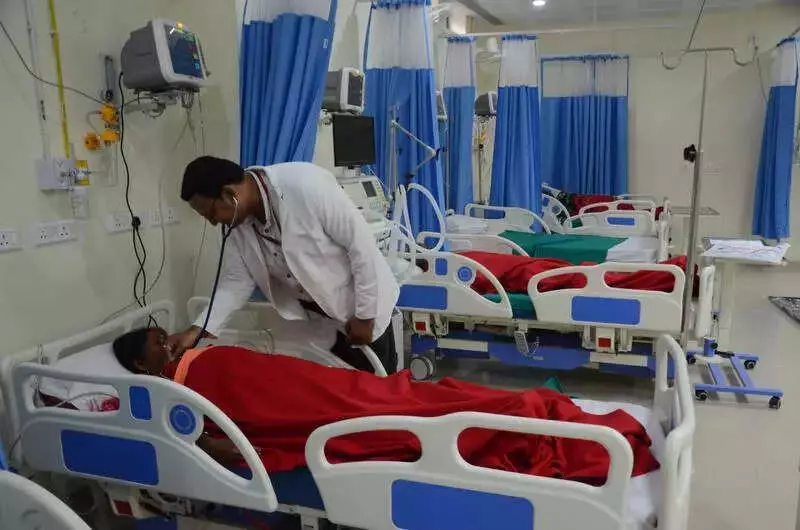
Jharkhand Government Activates Alert Mode Over Nipah Virus Threat
The Jharkhand government shifted into high alert mode on Tuesday. This urgent action came after two suspected cases of Nipah virus surfaced in neighboring West Bengal on Monday. State Health Minister Irfan Ansari announced the heightened state of vigilance early in the morning.
Minister Issues Directives for District Surveillance
Minister Irfan Ansari stated he has issued clear instructions to civil surgeons across all twenty-four districts. He directed them to remain extremely vigilant. Officials must ensure strict surveillance, robust preparedness, and a prompt response system. The minister emphasized the critical nature of the situation.
"Nipah virus is an extremely dangerous zoonotic disease," Ansari explained. "It spreads from animals to humans. The virus primarily transmits through fruit-eating bats, which act as its natural carriers."

He specified that surveillance must be strictest in districts bordering West Bengal. Areas with high human movement also require focused monitoring. The goal is to prevent any potential cross-border transmission into Jharkhand.
Public Awareness and Prevention Campaigns Intensified
The health minister also ordered officials to ramp up public awareness efforts. Campaigns will educate citizens about the virus's symptoms and how it spreads. People will learn crucial preventive measures. This initiative aims to enable early detection and ensure timely medical treatment for anyone infected.
Ansari detailed the transmission routes for the public. "Virus transmission can occur through direct contact with infected animals, especially pigs," he said. "Consuming contaminated meat is another risk. Close contact with bodily fluids from infected persons, like saliva or respiratory secretions, also spreads the virus."
Health Infrastructure Readied for Potential Cases
State health officials received orders to guarantee immediate reporting of any suspected Nipah cases. Hospitals and health centers must stay fully prepared. This preparation includes ensuring the availability of proper isolation facilities. All medical staff must strictly follow infection control protocols to prevent outbreaks within healthcare settings.
Officials confirmed they are preparing a detailed public advisory. This document will guide residents on necessary precautions and preventive actions they should take.
State Prepares Coordinated Response Strategy
Additional Chief Secretary of the Health Department, Ajoy Kumar, addressed the state's strategy. "We are strengthening coordination, monitoring, and rapid response mechanisms at every level," Kumar stated. "An advisory is currently being prepared. It will be issued shortly to outline all precautionary measures for the public to follow."
Understanding Nipah Virus Symptoms and Risks
Health experts describe the major symptoms of Nipah virus infection. Initial signs typically include fever and a severe headache. Patients often develop a cough, sore throat, and experience difficulty breathing.
In more advanced cases, the virus can cause acute brain inflammation, known as encephalitis. This leads to serious neurological complications. The infection can progress to coma and has a high likelihood of causing death.
Minister Ansari highlighted the extreme danger in an official statement. "The fatality rate is extremely high," he warned. "It ranges between 40% and 75% depending on the outbreak's severity. This makes Nipah one of the most lethal viral infections known." The Jharkhand government's proactive measures aim to protect its population from this severe health threat.

