Karnataka ASHA Workers Announce Statewide Protest Over Workload Rationalization
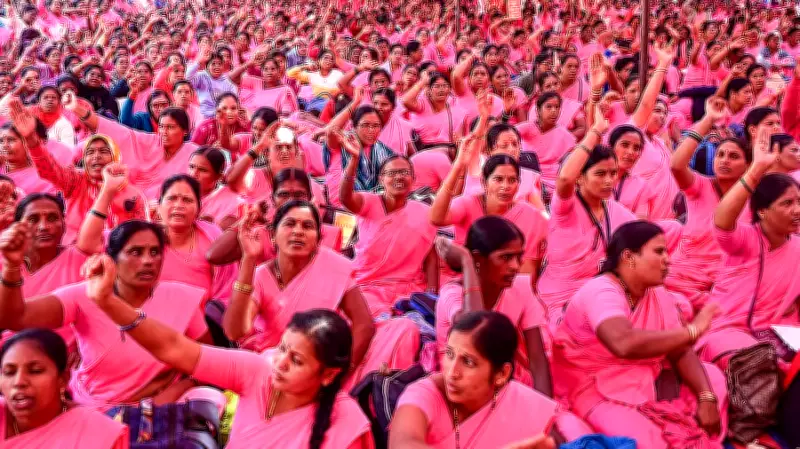
Accredited Social Health Activists (ASHA) in Karnataka have issued a stern warning to the state government, announcing plans for a major protest movement set to commence on February 27, 2026. The healthcare workers are expressing strong opposition to recent rationalization measures implemented by the health department that significantly increase their workload responsibilities in urban settings.
Controversial Rationalization Policy Sparks Outrage
The core of the dispute centers around a departmental decision to restructure the population coverage assigned to individual ASHA workers in urban areas. Under the new policy framework, urban regions with populations exceeding 50,000 residents will see dramatic changes to ASHA worker assignments.
Previously, each ASHA worker in these urban zones was responsible for approximately 1,000 people. The revised guidelines now mandate that these frontline healthcare workers must cover a minimum population of 2,500 individuals, with some assignments reaching as high as 3,000 people per worker. This represents a workload increase ranging from 150% to 200% compared to previous standards.

Implications for Healthcare Delivery and Worker Welfare
The rationalization move has raised serious concerns about both the quality of community healthcare services and the well-being of ASHA workers themselves. These healthcare professionals, who serve as crucial links between the public healthcare system and local communities, now face substantially expanded responsibilities without corresponding increases in compensation or support resources.
"This decision fundamentally undermines our ability to provide quality healthcare services to urban populations," explained a representative from the ASHA workers' association. "When you triple our assigned population without enhancing our resources or compensation, you're essentially setting up both workers and communities for failure."
The protest announcement comes after what workers describe as inadequate consultation and consideration of their concerns regarding the policy changes. ASHA workers argue that the increased workload will compromise their ability to:
- Conduct thorough home visits and health assessments
- Provide timely maternal and child healthcare services
- Implement effective disease prevention and health education programs
- Maintain accurate health records for their assigned populations
Broader Context and Potential Impact
This development occurs against the backdrop of ongoing discussions about healthcare worker rights and resource allocation in India's public health system. ASHA workers, who are primarily women from local communities, have historically played instrumental roles in improving health indicators across Karnataka, particularly in rural areas.
The planned protest action, scheduled to begin on February 27, 2026, represents a significant escalation in tensions between healthcare workers and state health authorities. The timing of the announcement, made public on February 24, 2026, suggests workers are giving the government a brief window to address their concerns before mobilizing collective action.
Observers note that the rationalization policy appears designed to address resource constraints within the healthcare system, but ASHA workers contend that such efficiency measures cannot come at the expense of service quality or worker welfare. The coming days will likely see intensified negotiations between worker representatives and government officials as both sides seek to avoid a potentially disruptive healthcare service interruption.