

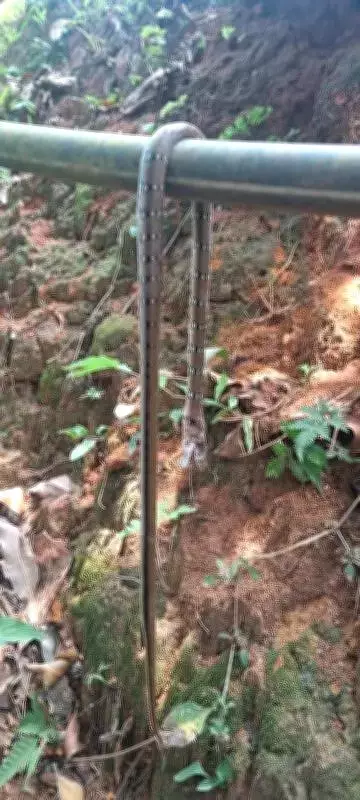
Thiruvananthapuram: Kerala's emergency response system handled twenty-nine calls in a single day on Monday, as the incidence of snakebites rose across districts with the onset of summer. The Kerala State Disaster Management Authority, which compiled data from the 108 ambulance network, found that twenty-one confirmed cases and eight suspected cases were attended in twenty-four hours in both urban and rural areas.
District-Wise Breakdown of Snakebite Cases
Kozhikode reported the highest number with five confirmed bites and three suspected cases, followed by Thiruvananthapuram with three confirmed and two suspected cases. Alappuzha, Kollam, Kannur, Malappuram, and Thrissur reported multiple incidents, while cases were also recorded in Palakkad, Wayanad, and Kottayam.
Seasonal Pattern and Rising Temperatures
Officials said the numbers are not an outlier but reflect a seasonal pattern that intensifies as temperatures rise, driving snakes out of their natural habitats into spaces where people live. At present, anti-venom is available in 146 government hospitals across the state.

Gaps in Emergency Response and Treatment
The spike in daily incidents has highlighted gaps in early response, clinical preparedness, and region-specific treatment. Against this backdrop, the Kerala State Action Plan for Prevention and Control of Snakebite Envenoming, which is awaiting notification due to the model code of conduct, outlines changes in how cases are studied and managed.
A key concern flagged in the draft is the mismatch between standard treatment and the types of snakebites reported in the state. The anti-venom used is based on the 'big four' snakes, while Kerala reports a wider range of venomous species in bite cases.
Proposed Local Research and Improved Anti-Venom
To address this, the draft plan proposes stepping up local research so that treatment is better aligned with the kinds of snakebites actually seen in the state. This includes studying how bites vary across regions and seasons and how different species affect patients clinically.
On the treatment side, the focus is on improving the effectiveness of anti-venom. The proposal includes setting up authorized centres to collect venom and working with manufacturers to develop more suitable antivenoms, including one specifically targeting pit vipers, which doctors say are increasingly involved in cases.
Healthcare System Training and Rural Access
The draft also highlights gaps within the healthcare system, calling for practical training for doctors, nurses, paramedics, and ambulance staff in identifying symptoms, administering anti-venom, and managing complications while following standard treatment protocols.
Delay in transporting patients, especially from remote and tribal areas, is identified as another concern. The plan suggests strengthening primary health centres so that basic stabilisation can be done locally and, in some cases, the first dose of anti-venom can be administered before referral.






