

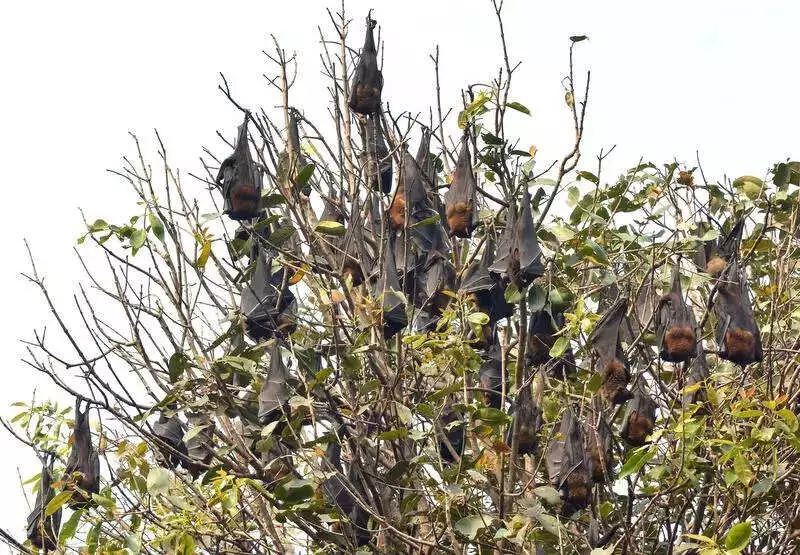
Kolkata Zoo Steps Up Bat Colony Monitoring After Nipah Scare
Authorities at Alipore Zoological Gardens in Kolkata have significantly increased their monitoring efforts. They are focusing on the resident colony of Indian flying foxes, which are fruit bats. This action comes as public attention grows due to recent Nipah virus concerns in the city.
Visitors Gather to Observe Bats Amid Health Fears
On Wednesday, numerous visitors assembled near the eastern side of the zoo. They watched and recorded hundreds of bats hanging from a large banyan tree. The scene drew crowds curious about the animals linked to the Nipah alert.
"We know about the Nipah alert in Kolkata and how the virus spreads from bats," said Padmabati and Rupram Patel. The tourists from Chhattisgarh filmed the bat colony on their mobile phones while speaking.

Zoo Director Addresses Safety and Government Advisories
Zoo director Tripti Sah provided reassurances about the situation. She noted that the trees hosting the bats are mostly non-fruit-bearing. Sah emphasized the zoo's readiness to follow any government advisory on Nipah immediately.
"If the government issues any advisory regarding Nipah, the zoo will implement it without delay," Sah stated clearly. She confirmed that biosecurity measures are already active to prevent infection spread.
Detailed Biosecurity Protocols in Place Since December
The zoo initiated comprehensive biosecurity protocols in December. These measures are scheduled to continue through January and may extend further if necessary. The protocol covers multiple areas to ensure safety.
- Disinfection through antiviral spraying
- Thorough enclosure sanitation
- Staff safety procedures including protective gear
- Effective waste management systems
- Precautions in public areas
- Routine monitoring of animals and facilities
An official overseeing the biosecurity drive explained the daily routines. Hypochlorite and other chemical agents are sprayed twice daily along pathways and around animal enclosures with high crowd density.
Staff working close to animals use protective gloves and masks consistently. Footbaths have been installed at entry points to enclosures for additional hygiene.
Local Workers and Experts Weigh In on Risks
Some zoo workers and shopkeepers mentioned that Nipah discussions have become daily topics. Visible bat droppings beneath the trees fuel these conversations.
"Droppings are always on the ground, but I understand the virus only transmits through consuming bat-contaminated fruits," said Girija Prasad. He is a contractual zoo staffer who operates a snacks and stationery shop on the premises.
Zoologist Shilanjan Bhattacharya from West Bengal State University advised against panic. He warned about misinformation spreading among the public.
Bhattacharya clarified that the real risk involves contamination of food items. Fresh date sap and ripe fruits that bats may lick, bite, or urinate on pose potential transmission risks, not mere proximity to the animals.
The zoo continues its vigilant approach, balancing public interest with stringent health safeguards during this period of heightened alert.

