

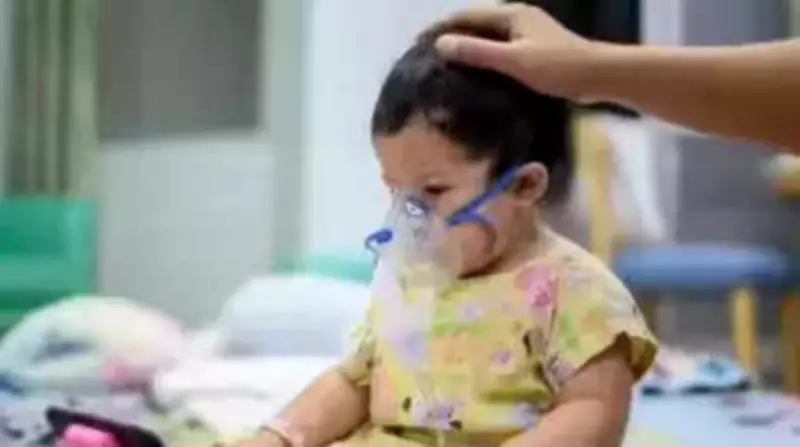
Lancet Study Uncovers Alarming Deficiencies in Child Healthcare Referrals Across Rural Uttar Pradesh
A groundbreaking study published in The Lancet in December has exposed severe systemic failures in child healthcare across rural Uttar Pradesh, revealing that critical national guidelines are being routinely ignored, potentially endangering young lives.
Shocking Statistics on Referral Non-Compliance
The research, spearheaded by Prof Shally Awasthi, former head of paediatrics at King George's Medical University, demonstrates that less than one in three children identified with low oxygen levels were actually referred to higher healthcare facilities as mandated. Even more concerning, among children with dangerously low oxygen saturation below 90%, only approximately half received appropriate referral to specialized hospitals.
Understanding Hypoxemia and Its Critical Implications
Hypoxemia, characterized by low blood oxygen levels at 94% or below, represents a serious medical emergency in young children. This condition is frequently triggered by:

- Pneumonia and severe chest infections
- Sepsis and systemic infections
- Asthma and respiratory complications
- Various other breathing disorders
Prof Awasthi emphasized that in paediatric patients, oxygen levels can plummet rapidly, often without overt warning signs, making timely intervention absolutely critical to prevent mortality.
Comprehensive Research Methodology and Findings
The extensive study was conducted across primary and community health centers in three districts—Sitapur, Unnao, and Deoria—between June 2022 and April 2023. Researchers meticulously examined oxygen levels in 23,560 sick children under five years old, identifying 308 children (1.3%) with hypoxemia, including 90 cases with severe oxygen deprivation below 90% requiring immediate hospitalization.
Despite clear medical protocols, the referral system demonstrated catastrophic failures:
- Only 86 of 308 children with low oxygen (27.9%) received referral recommendations
- Among severe cases, merely 42 of 90 children (46.7%) were referred to higher facilities
- The situation deteriorated further post-referral, with only 16 of 79 referred children (20.3%) actually reaching designated hospitals
- For severe hypoxemia cases, only 10 of 40 referred children (23.8%) completed the transfer to appropriate care centers
Systemic Challenges and Parental Awareness Gaps
Prof Awasthi identified multiple contributing factors to this healthcare crisis, including insufficient training and awareness among rural healthcare workers. Additionally, she noted that many parents and caregivers failed to recognize the severity of their children's conditions, leading to dangerous delays in seeking advanced medical treatment.
Mortality Rates Highlight Urgent Need for Intervention
The study's mortality statistics underscore the life-or-death consequences of these systemic failures. Among children with hypoxemia, 11 out of 279 (3.9%) died, compared to just 11 deaths among 20,292 children (0.05%) with normal oxygen levels—representing a nearly eighty-fold increase in mortality risk for children with low oxygen saturation.
Call for Comprehensive Healthcare System Reforms
The research team, which included Dr Divas Kumar, Dr Anuj Pandey, and Dr Anmol Jacob from KGMU, along with Girdhar Gopal Agarwal from Lucknow University, has issued an urgent call for action. They emphasize the critical necessity to:
- Strengthen and streamline referral systems across rural healthcare networks
- Enhance transportation support for emergency paediatric cases
- Implement comprehensive training programs for frontline healthcare workers
- Increase community awareness about recognizing paediatric emergencies
This study serves as a stark reminder that without immediate systemic improvements, vulnerable children in rural Uttar Pradesh will continue to face unacceptable risks to their health and survival.






