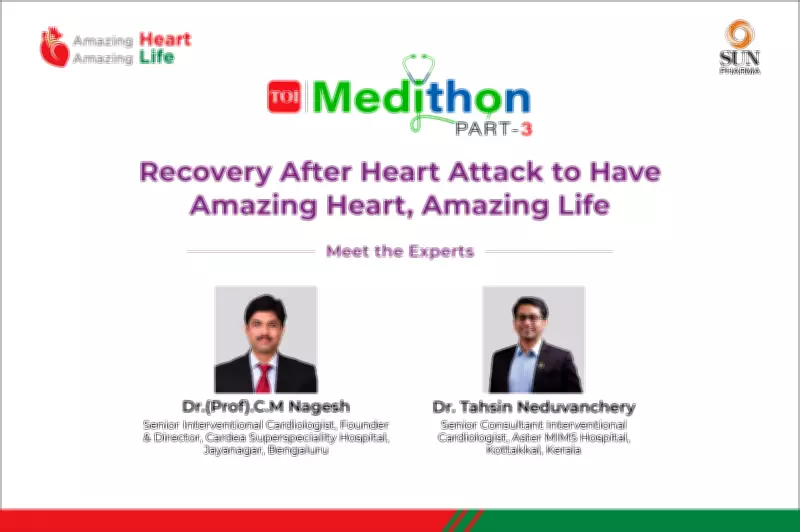
Navigating the Journey After a Heart Attack: A Path to Renewed Health
Recovering from a heart attack is a critical phase that demands careful attention and expert guidance. In a recent discussion, Dr. (Prof.) C.M. Nagesh and Dr. Tahsin Neduvanchery shed light on the multifaceted approach required for a successful recovery, emphasizing that it extends far beyond the initial medical intervention.
The Pillars of Post-Heart Attack Rehabilitation
Cardiac rehabilitation forms the cornerstone of recovery, involving a structured program designed to improve cardiovascular health. This typically includes supervised exercise, education on heart-healthy living, and counseling to reduce stress. According to the experts, engaging in such programs can significantly lower the risk of future cardiac events and enhance overall quality of life.
Medications and Medical Management
Post-heart attack, patients are often prescribed a regimen of medications to manage conditions like high blood pressure, cholesterol, and prevent blood clots. Adherence to these medications is crucial, as they help stabilize the heart and reduce the likelihood of recurrence. Regular follow-ups with healthcare providers ensure that treatment plans are tailored to individual needs.

Emotional Well-Being and Mental Health
The emotional impact of a heart attack is profound, with many patients experiencing anxiety, depression, or fear. Dr. Nagesh and Dr. Neduvanchery highlight the importance of addressing these psychological aspects through:
- Counseling or therapy sessions
- Support groups for shared experiences
- Stress-reduction techniques like meditation
Ignoring emotional health can hinder physical recovery, making it a vital component of the healing process.
Nutrition and Dietary Adjustments
A heart-healthy diet is essential for recovery and long-term prevention. The experts recommend:
- Reducing intake of saturated fats, salt, and processed foods
- Incorporating fruits, vegetables, whole grains, and lean proteins
- Monitoring portion sizes to maintain a healthy weight
Such dietary changes help control risk factors like obesity and high cholesterol, supporting overall cardiovascular function.
Physical Activity and Exercise Guidelines
Gradual reintroduction of physical activity is key to rebuilding strength. Under medical supervision, patients should:
- Start with low-intensity exercises like walking
- Progress to moderate activities as tolerated
- Avoid strenuous exertion without clearance
Regular exercise improves heart efficiency, reduces stress, and promotes better sleep, all contributing to a stronger recovery.
Strategies to Prevent Recurrence
Preventing another heart attack involves a proactive approach. The doctors emphasize:
- Quitting smoking and limiting alcohol consumption
- Managing chronic conditions like diabetes and hypertension
- Regular health screenings and monitoring
By adopting these lifestyle modifications, patients can significantly lower their risk and enjoy a healthier future.
In summary, recovery from a heart attack is a comprehensive journey that integrates medical care, emotional support, nutritional planning, and physical rehabilitation. With expert guidance and a committed approach, individuals can navigate this path toward a stronger, more resilient life.