

Nadiad Girl Triumphs Over Rare and Aggressive Childhood Lung Tumor
What started as a common cough and cold in a three-year-old girl from Nadiad rapidly escalated into a critical medical emergency, pushing her family to the brink and challenging healthcare professionals. Nearly a year after her diagnosis with an exceptionally rare and aggressive lung tumor, the child has achieved clinical wellness and is now living a normal, healthy life.
From Viral Symptoms to Life-Threatening Diagnosis
The young girl was initially taken to doctors with recurring symptoms of cough, cold, and fever, which were mistakenly attributed to a viral infection. However, her condition deteriorated significantly, leading to severe respiratory distress. This alarming development prompted comprehensive medical investigations to uncover the underlying cause.
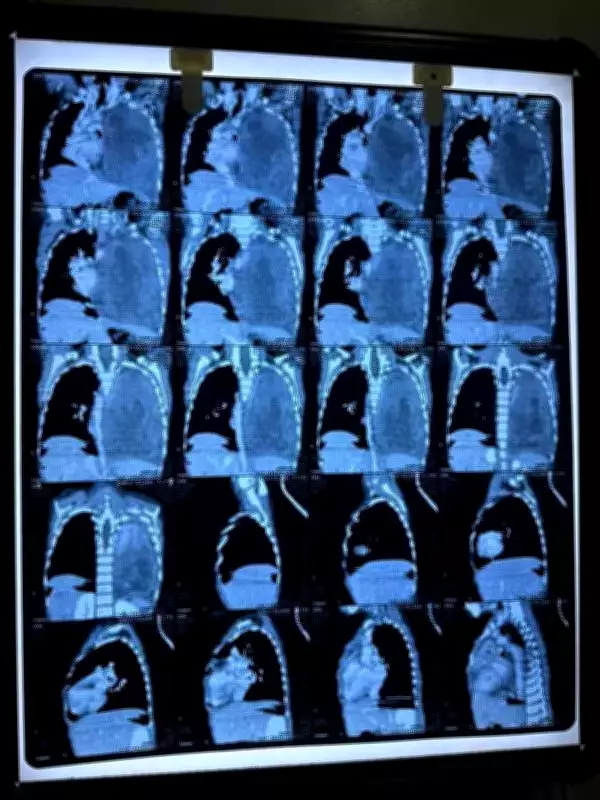
In January 2025, a CT scan unveiled a massive 11x10 cm tumor located in her left chest cavity. A follow-up contrast-enhanced scan detailed a substantial solid-cystic lesion that occupied the entire left hemithorax. This growth compressed her left lung and caused a mediastinal shift, displacing her heart to the right side, a finding that deeply concerned the medical team.

Confronting a Rare and Challenging Cancer
A biopsy confirmed the diagnosis as pleuropulmonary blastoma (Type 2), an extremely rare and aggressive childhood tumor that originates in the lungs and the surrounding pleural lining of the chest cavity. Known for its poor responsiveness to chemotherapy, this type of cancer presents significant treatment hurdles. The child was admitted under the care of pediatric oncologist Dr. Urvinder Kaur at Kashiba Children's Hospital in Vadodara.
The initial treatment phase involved two cycles of chemotherapy in January and February 2025, which resulted in less than 20% reduction in tumor size. Faced with this limited response, doctors swiftly transitioned to a more aggressive second-line chemotherapy protocol, administered from March to May 2025. The child endured three intensified cycles of this treatment without experiencing major complications, demonstrating remarkable resilience.
Critical Surgical Intervention and Recovery
"Pleuropulmonary blastoma is one of the most challenging tumors in children because it does not respond well to chemotherapy," explained Dr. Kaur. "When the initial response was limited, we had to intensify treatment quickly. The turning point came when the tumor shrank enough to allow complete surgical removal."
By June 2025, imaging scans showed over 50% regression of the tumor, making surgical excision feasible. Senior pediatric surgeon Dr. Anand Naregal performed a complete removal of the tumor in a successful operation. The child's postoperative recovery proceeded smoothly, with no significant setbacks.
Following surgery, she completed three additional cycles of chemotherapy to eliminate any residual cancer cells. A PET scan conducted in August 2025 confirmed complete metabolic remission, indicating no active disease. The latest follow-up in February showed no evidence of recurrence, marking a full recovery.
Family Background and Broader Implications
The child comes from a family of eight members. Her father is employed at a jewellery shop, while her mother works as a nursing assistant. Their journey underscores the emotional and financial strains faced by families battling rare childhood cancers, yet it also highlights the potential for positive outcomes through advanced medical care.
This case serves as a poignant reminder on International Childhood Cancer Day of the importance of early detection, specialized treatment, and ongoing support for pediatric oncology patients. It showcases the dedication of healthcare professionals in overcoming formidable medical challenges to restore health and hope.






