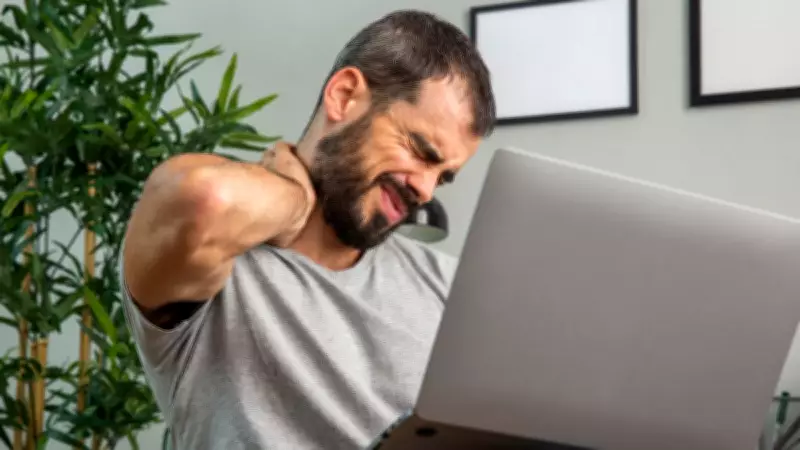
Persistent Neck Pain and Tingling Fingers Could Signal Cervical Spine Damage
Persistent neck pain, especially when accompanied by tingling sensations in the fingers, may be more than just a minor discomfort. Medical experts warn that these symptoms could indicate underlying damage to the cervical spine, which requires immediate attention to prevent serious long-term health issues.
Understanding Cervical Spine Damage
The cervical spine, located in the neck region, consists of seven vertebrae that support the head and facilitate movement. Damage to this area can occur due to various factors, including poor posture, injuries, or degenerative conditions like arthritis. When the cervical spine is compromised, it can lead to symptoms such as chronic neck pain, stiffness, and radiating sensations like tingling or numbness in the fingers and arms.
Key Symptoms to Watch For
If you experience persistent neck pain along with tingling in your fingers, it is crucial to monitor for other warning signs. These may include:

- Weakness in the arms or hands
- Difficulty with coordination or balance
- Numbness that spreads to other parts of the body
- Pain that worsens with movement or certain positions
Ignoring these symptoms can lead to complications such as nerve damage, reduced mobility, or even permanent disability in severe cases.
Causes and Risk Factors
Cervical spine damage can result from a variety of causes. Common risk factors include:
- Poor Posture: Prolonged use of electronic devices or sitting in awkward positions can strain the neck.
- Injuries: Accidents, falls, or sports-related trauma can damage the cervical vertebrae.
- Age-Related Degeneration: Conditions like osteoarthritis or disc herniation become more common with age.
- Lifestyle Habits: Lack of exercise, obesity, and smoking can contribute to spine health issues.
Early diagnosis through imaging tests like X-rays or MRIs is essential for effective treatment.
Prevention and Management Strategies
To reduce the risk of cervical spine damage, consider adopting healthy habits. Maintain good posture while working or using devices, engage in regular neck-strengthening exercises, and avoid activities that put excessive strain on the neck. If symptoms persist, consult a healthcare professional for a proper evaluation and personalized treatment plan, which may include physical therapy, medication, or in some cases, surgery.
Remember, timely intervention can make a significant difference in managing cervical spine issues and maintaining overall spinal health.