New Species of Pistol Shrimp Discovered in Kochi Backwaters by Cusat Researchers
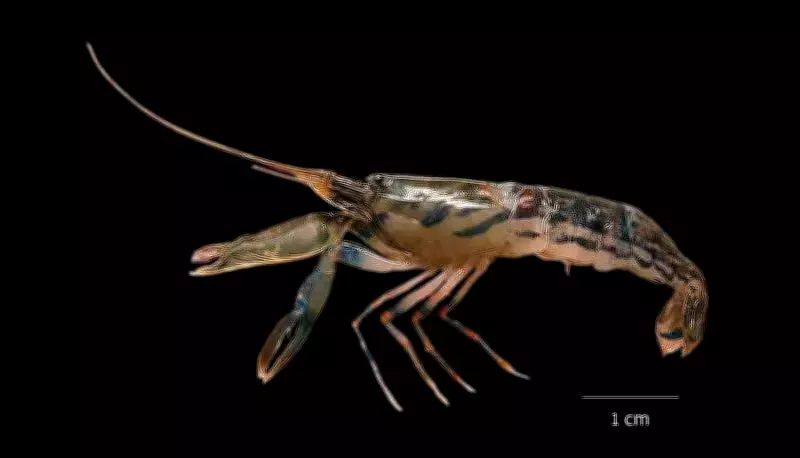
In a significant scientific breakthrough, researchers from the School of Industrial Fisheries at Cochin University of Science and Technology (Cusat) have identified a new species of pistol shrimp, commonly known as snapping shrimp, within the Kochi backwaters. This discovery marks a notable addition to marine biodiversity in the region.
Identification and Naming of the Species
The newly discovered shrimp belongs to the Alpheidae family and has been officially named Alpheus madhusoodanai. The findings were published in the prestigious Journal of the Marine Biological Association of the United Kingdom, validating the research through peer review.
The species name honors Prof B Madhusoodana Kurup, the first vice-chancellor of Kerala University of Fisheries and Ocean Studies and a renowned fisheries scientist. This tribute underscores his contributions to the field and the importance of this discovery.

Ecological and Economic Significance
Researchers emphasize that pistol shrimp species like Alpheus madhusoodanai hold substantial ecological and economic value. They are typically found in:
- Backwater regions with mangrove forests
- Coral reef-rich marine ecosystems
These shrimp play a crucial role in maintaining environmental balance by contributing to ecosystem health. According to the study, limited research has been conducted in India on the biodiversity of the Alpheidae family, making this discovery particularly significant.
Unique Characteristics and Habitat
This is the first alpheid shrimp species recorded from an estuary in the region, highlighting its unique habitat. The research team confirmed its distinct identity by comparing morphological and molecular characteristics with closely related species.
Prof M Harikrishnan of Cusat noted, "There is considerable global interest in this species. In local waters, they occur in small numbers and are often caught in stake nets. However, since they have no commercial value, there is little interest among fishers."
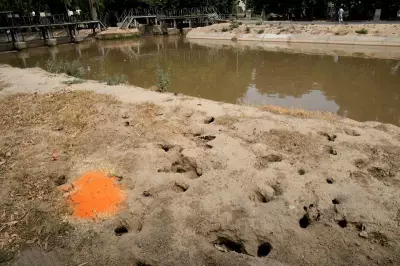
He further explained that the shrimp exhibits a burrowing tendency, which helps release toxic gases trapped in swampy soil, thereby enhancing the health of mangrove ecosystems.
Research Team and Implications
The discovery was made by a dedicated research team including scholars KP Vishnu, AbhaiKrishna U, and Nidhin B M. Their work not only expands scientific knowledge but also underscores the need for further biodiversity studies in Indian waters.
This finding could pave the way for more focused research on marine species in the region, potentially leading to better conservation strategies and a deeper understanding of ecological dynamics.