

Indian Scientists Uncover New Soil-Dwelling Species in Eastern Himalayas
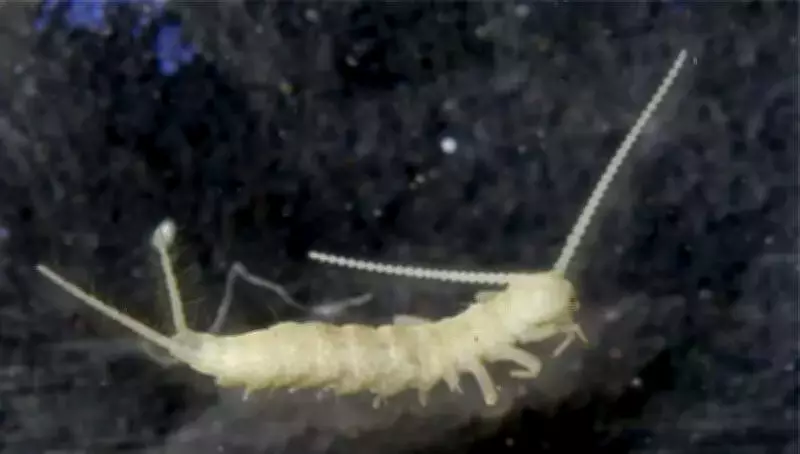
In a landmark achievement for Indian taxonomy, researchers at the Zoological Survey of India have identified a new species of Diplura, a primitive, wingless group of hexapods that inhabit soil environments. This discovery, made in the eastern Himalayas, represents a significant breakthrough in documenting the country's rich soil biodiversity.
First Indian-Described Diplura Species Ends 50-Year Research Gap
The newly described species, named Lepidocampa sikkimensis, marks the first instance where an Indian research team has formally identified and described a member of this ancient micro-arthropod group. The findings were published on January 7, 2026, in the international taxonomic journal Zootaxa, concluding a nearly 50-year hiatus in domestic research on Indian Diplura. Previously, all 17 documented Diplura species from India had been described by foreign scientists.
Dhriti Banerjee, director of the Zoological Survey of India, hailed the discovery as a vital contribution to understanding India's soil ecosystems. She emphasized that research into lesser-known and evolutionarily significant groups like Diplura is essential for comprehending ecosystem functioning, particularly in biodiversity hotspots such as the Himalayas.

Research Team and Geographic Distribution
The research was led by Surajit Kar and included team members Souvik Mazumdar, Pritha Mandal, Guru Pada Mandal, and Kusumendra Kumar Suman. They identified the species from specimens collected near Ravangla in Sikkim. Additional specimens were later discovered in Kurseong, West Bengal, indicating a broader distribution across the eastern Himalayan range.
Lepidocampa sikkimensis is distinguished by several unique features:
- Distinct body scale arrangements
- Specific bristle patterns
- Specialized appendage structures
As blind, soil-dwelling organisms, diplurans—commonly known as two-pronged bristletails—play a critical ecological role in nutrient cycling and maintaining soil structure, making this discovery particularly important for environmental studies.
Innovative Integration of DNA Barcoding and Rediscovery
In a global first, the study provides DNA barcode data for an Indian Lepidocampa species, effectively bridging classical morphological analysis with modern molecular phylogenetics. This integration enhances the accuracy and depth of taxonomic research.
Additionally, the team rediscovered a rare sub-species, Lepidocampa juradii bengalensis, which had not been recorded for nearly five decades. This rediscovery further underscores the importance of ongoing biodiversity surveys in the region.
This discovery not only advances scientific knowledge but also highlights the critical need for continued exploration and conservation of India's unique soil ecosystems, especially in ecologically sensitive areas like the Himalayas.






