

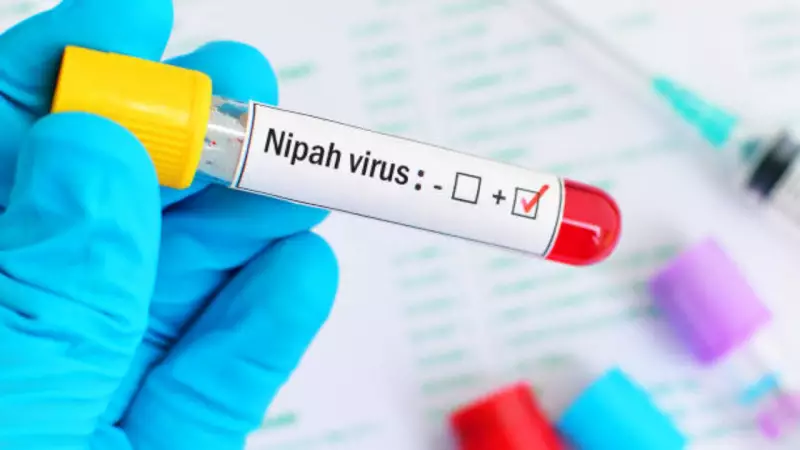
Nipah Virus Resurfaces in West Bengal: Two Nurses Fight for Life
Health authorities have confirmed two fresh cases of the deadly Nipah virus in West Bengal. Both patients are nurses currently battling the infection in critical condition. The National Institute of Virology in Pune identified these cases, sparking immediate public health action across the state.
Immediate Response and Contact Tracing
Following the confirmation, health teams have swiftly traced ninety people who had close contact with the infected nurses. All these contacts are now under strict medical observation. One nurse has slipped into a coma while the other remains in critical care, both exhibiting high fever and severe respiratory distress.
Union Health Minister JP Nadda has personally assured the West Bengal government of comprehensive support. The Health Ministry announced on social media platform X that technical, logistical and operational assistance will flow immediately to the affected region.

Understanding the Nipah Threat
Nipah virus represents one of the most dangerous zoonotic infections known to medicine. The World Health Organization estimates its fatality rate reaches a staggering seventy-five percent. Fruit bats serve as natural carriers, transmitting the virus to humans either directly or through intermediate hosts like pigs.
Dr. Santosh Kumar Agrawal, Director of Internal Medicine at Yatharth Super Speciality Hospital, explains the clinical picture. "Nipah virus infection primarily attacks the respiratory and neurological systems," he states. "Patients typically develop acute respiratory distress and encephalitis, creating a medical emergency with limited treatment options."
No Cure, Only Prevention
The medical community faces a significant challenge: no specific drugs or vaccines exist for Nipah virus infection. Treatment remains supportive, focusing on managing symptoms while the body fights the infection.
Dr. Agrawal emphasizes prevention as the only reliable defense. "This disease demands strict hygiene protocols," he advises. "Anyone working with animals must take proper precautions. Infected animals require immediate isolation and careful handling with full protective measures."
WHO Prevention Guidelines
The World Health Organization has established clear prevention protocols based on past outbreaks:
- Routine and thorough cleaning of animal farms with appropriate disinfectants
- Immediate quarantine of premises where infection appears
- Supervised culling and proper disposal of infected animals
- Restriction of animal movement from infected areas
- Use of protective clothing when handling sick animals
- Avoiding contact with potentially infected pigs
These measures proved effective during the 1999 outbreak linked to pig farms and remain the cornerstone of outbreak management today.
A Growing Regional Concern
Nipah virus has established itself as an emerging infection across South and Southeast Asia. India, Bangladesh, Singapore and Malaysia have all reported outbreaks in recent years. The current West Bengal cases highlight the persistent threat this virus poses to public health systems.
Health authorities continue monitoring the situation closely, prepared to implement additional measures if the outbreak shows signs of spreading beyond the currently identified cases.

