Obesity Crisis Deepens in Odisha: Alarming Rates Found Among Adolescents in Urban Centers
Recent scientific studies have uncovered a growing public health crisis in Odisha, with obesity rates among adolescents reaching alarming levels in major urban centers. The findings highlight a significant shift in health patterns that demands immediate attention from policymakers, healthcare providers, and communities.
Disturbing Statistics from Cuttack and Bhubaneswar
According to comprehensive research published in the European Journal of Cardiovascular Medicine, Cuttack reports 10.5% obesity among adolescents, with an additional 31.6% classified as overweight. This means nearly half of the adolescent population in Cuttack faces weight-related health challenges.
Similarly, a separate study focusing on Bhubaneswar reveals even more concerning figures: 23.7% of young adolescents are obese, while 18.7% are overweight. These statistics paint a troubling picture of urban health in Odisha's capital city.

Gender Disparities and Contributing Factors
The Cuttack-based study, conducted by researchers from SCB Medical College and Hospital, SLN MCH in Koraput, and Dharanidhar MCH in Keonjhar, found significant gender differences in obesity prevalence. Boys showed a much higher rate at 15.5%, compared to just 3.2% among girls.
Researchers identified multiple factors contributing to this health crisis:
- Sedentary lifestyles with minimal physical activity
- Unhealthy eating habits including consumption of carbonated drinks, fast food, and processed foods
- Excessive gadget use and screen time
- Academic stress and inadequate sleep duration
- Family history of diabetes and other metabolic conditions
Health Implications and Medical Concerns
Dr. Minarva Manjita Satapathy, assistant professor of community medicine at DD MCH and lead researcher of the Cuttack study, emphasized that obesity and hypertension represent emerging health concerns among urban adolescents. These conditions serve as key risk factors for cardiovascular diseases and other non-communicable diseases that can persist throughout life.
Medical professionals in the region confirm these findings through clinical observations. Dr. Tapas Mishra, a consultant in advanced laparoscopic and bariatric surgery, reported a nearly three-fold increase in obesity-related cases following the COVID-19 pandemic.
"We are witnessing a dramatic surge in patients seeking treatment for obesity and weight-related issues," Dr. Mishra explained. "Many individuals remained at home without adequate physical activity during lockdowns, which contributed significantly to weight gain. We now see patients not only from urban centers but also from smaller towns across the region."
Post-Pandemic Acceleration and Broader Patterns
The Bhubaneswar study, published on Springer Nature Link and conducted by researchers from a private medical college and hospital, identified additional risk factors including age, duration of diabetes, family history of diabetes, junk food consumption, lifestyle choices, alcohol use, and smoking.
Dr. Satyajit Tripathy, a metabolism and diabetes expert, highlighted the broader national context: "Obesity prevalence remains high across India, with particular concern about abdominal obesity. Among young people, we observe increasing rates directly linked to sedentary lifestyles and unhealthy dietary patterns. The consequences are severe—obesity reduces life expectancy and increases disease burden. However, the condition can be reversed through proper diet, increased physical activity, and lifestyle modifications."
Comprehensive Recommendations for Intervention
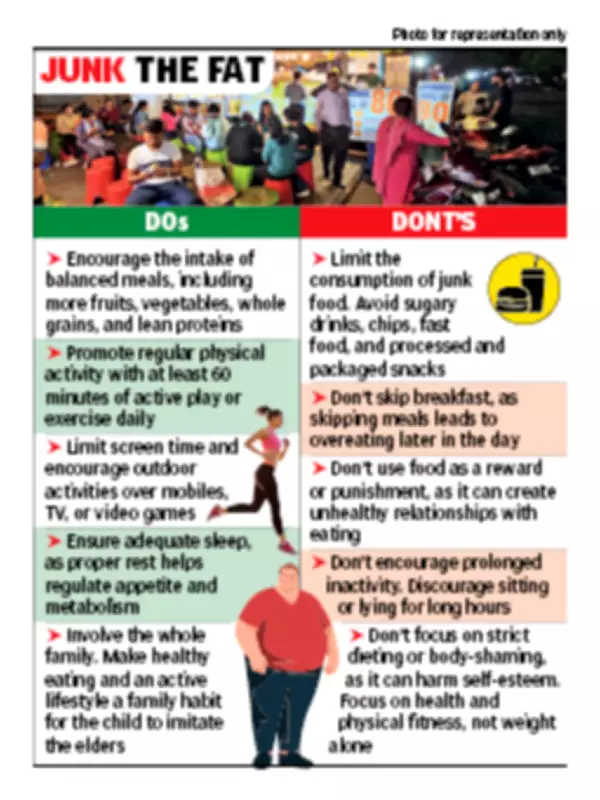
The research teams proposed multi-faceted solutions to address this growing crisis:

- Health education programs in schools and communities focusing on nutrition and physical activity
- Regular screening and health check-ups for early detection of weight-related issues
- Implementation of tobacco-free zones in and around educational institutions
- Limits on screen time and promotion of outdoor games and sports
- Dietary interventions emphasizing balanced nutrition and reduced processed food consumption
- Stress management techniques including yoga and meditation
- Community awareness campaigns across localities to promote healthy lifestyles
These preventive measures aim to enable early detection of health issues and prevent chronic diseases later in life. The researchers emphasized that coordinated efforts between educational institutions, healthcare providers, and community organizations will be essential to reverse current trends.
The studies collectively underscore the urgent need for systemic interventions to address the obesity epidemic among Odisha's youth. As urban lifestyles continue to evolve, maintaining focus on preventive healthcare and lifestyle education becomes increasingly critical for the long-term wellbeing of the state's population.