

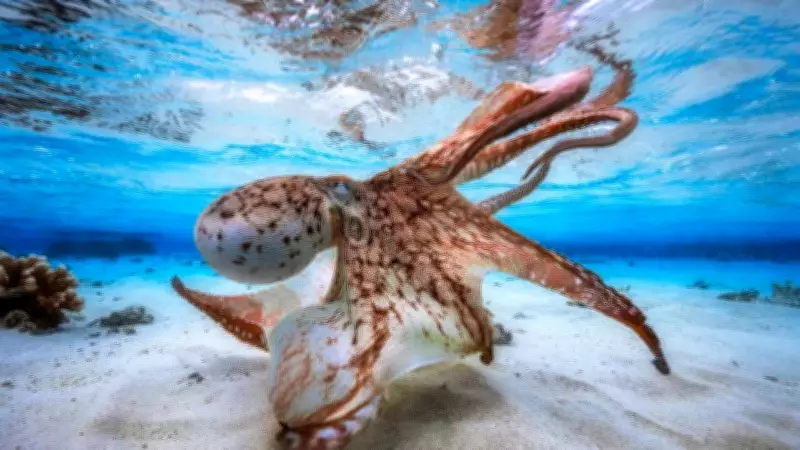
The Enigmatic Octopus: A Marine Marvel
Octopuses stand out as some of the most extraordinary creatures inhabiting the world's oceans. With their soft bodies, eight flexible arms, and remarkable intelligence, they captivate scientists and ocean enthusiasts alike. These marine animals belong to the cephalopod class, which also includes squids and cuttlefish, showcasing a range of evolutionary adaptations that set them apart from other sea life.
Unveiling the Three-Heart System
One of the most surprising facts about octopuses is their possession of three hearts, a feature that distinguishes them from humans and most animals that rely on a single heart. This complex circulatory system is crucial for their survival in the demanding oceanic environment. The three hearts consist of two branchial hearts and one systemic heart, each with a specialized function that supports the octopus's aquatic lifestyle.
The two branchial hearts are responsible for pumping blood through the gills, where oxygen from the water is absorbed into the bloodstream. Once oxygenated, this blood is then directed to the systemic heart. The systemic heart takes over by circulating the oxygen-rich blood throughout the octopus's body, ensuring that muscles, the brain, and other organs receive the necessary oxygen to function effectively.

How the Hearts Collaborate for Efficiency
Although having three hearts may seem unusual, this system operates with high efficiency. The branchial hearts act as dedicated pumps, specifically designed to force blood through the gills for oxygenation. After the blood collects oxygen in the gills, it is propelled by the systemic heart to nourish the entire body.
An intriguing aspect of this system is that the systemic heart slows down during swimming, indicating that swimming requires significant energy expenditure. This energy conservation strategy explains why many octopuses prefer to crawl along the seafloor rather than swim, optimizing their movement to conserve resources.
The Mystery of Blue Blood and Oxygen Transport
Another fascinating characteristic of octopuses is their blue blood, which contrasts with the red blood found in humans and many other animals. This unique coloration stems from the composition of their blood, which utilizes a copper-based protein called hemocyanin for oxygen transport, unlike the iron-based hemoglobin in human blood.
Hemocyanin reacts with oxygen to produce a blue hue and is particularly effective in cold, low-oxygen environments. However, it is less efficient at transporting oxygen compared to hemoglobin. To compensate for this limitation, octopuses rely on their three-heart system to enhance oxygen delivery, ensuring adequate supply to their tissues despite the challenges of their habitat.
Additional Remarkable Biological Traits
Beyond their circulatory system, octopuses exhibit a host of other unusual features. Their eight arms are equipped with suckers and contain a high density of nerve cells, allowing for complex, semi-autonomous movements that aid in hunting and exploration. Octopuses are renowned for their intelligence among invertebrates, demonstrating abilities such as solving puzzles, opening containers, and even escaping from aquariums.
Moreover, they possess the remarkable capability to change their skin color for camouflage, blending seamlessly with rocks, coral, or sand to evade predators or ambush prey. This adaptability, combined with their soft bodies that enable them to squeeze through tight spaces, makes octopuses elusive and resilient in their natural settings.
Habitat and Lifestyle Insights
Octopuses inhabit diverse ocean environments, from shallow coastal waters to deep-sea regions, often favoring rocky areas where they can hide in crevices or caves. Typically solitary, they spend much of their time foraging for food, with diets consisting of crabs, shrimp, small fish, and other marine organisms.
When threatened, octopuses release a cloud of dark ink into the water, creating confusion that allows them to escape quickly. This defensive mechanism, along with their flexible bodies, enhances their survival against predators. As one of the ocean's most intriguing inhabitants, octopuses continue to draw scientific interest, offering insights into the complexities of marine life and evolution.






