

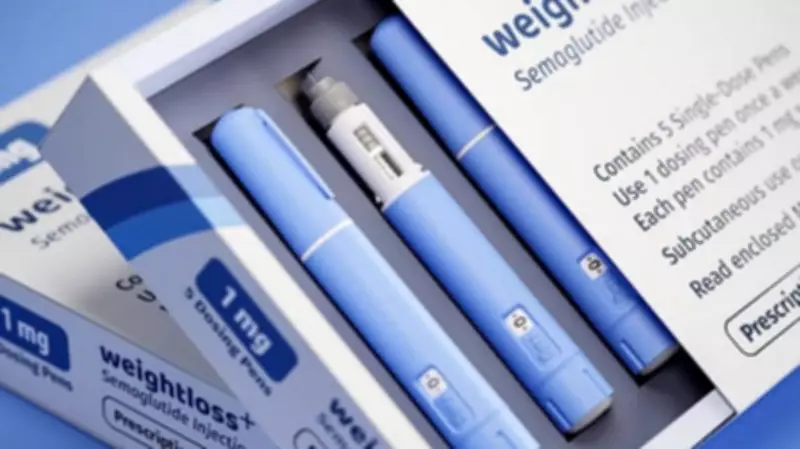
Ozempic's Patent Protection Nears End in Key Markets
In a significant development for global healthcare, Novo Nordisk's widely used weight-loss medication, Ozempic, is on the brink of losing its patent protection in several major nations, including India and China. This impending expiry is poised to unlock access to more affordable generic versions of the drug, potentially benefiting billions of individuals worldwide who struggle with obesity and related health conditions.
Implications for Affordable Healthcare
The loss of patent exclusivity means that other pharmaceutical companies can now produce and market competing versions of Ozempic without legal restrictions. This shift is expected to drive down prices dramatically, making the drug more accessible in regions where cost has been a significant barrier. In countries like India and China, where large populations face rising obesity rates, the availability of cheaper alternatives could lead to widespread public health improvements.
Novo Nordisk, the Danish pharmaceutical giant, has long dominated the market with Ozempic, a blockbuster drug renowned for its effectiveness in weight management. However, as patent protections wane, the company may face increased competition from generic manufacturers eager to capitalize on the demand for cost-effective solutions.

Global Impact and Market Dynamics
The expiration of Ozempic's patents is not limited to Asia; it signals a broader trend in the pharmaceutical industry where patent cliffs can reshape market landscapes. This move could encourage innovation and competition, ultimately fostering a more dynamic environment for drug development and distribution. Experts suggest that the introduction of generics might also prompt Novo Nordisk to explore new formulations or enhanced versions of their products to maintain a competitive edge.
For patients, this development represents a hopeful turn towards more equitable healthcare access. With obesity being a growing concern globally, the ability to obtain effective treatments at lower costs could alleviate financial burdens and improve quality of life for millions.
- Increased affordability of weight-loss medications
- Potential for reduced healthcare costs in the long term
- Stimulation of competition among pharmaceutical firms
As the situation unfolds, stakeholders from healthcare providers to policymakers will be closely monitoring the rollout of generic Ozempic versions. The success of this transition could set a precedent for how other high-cost drugs are managed in emerging markets, emphasizing the importance of balancing innovation with accessibility.






