

Landmark Study Links Pandemic Healthcare Disruptions to Worse Cancer Patient Survival
Early fears that the COVID-19 pandemic's upheaval of cancer care would have deadly consequences have now been substantiated by rigorous research. A groundbreaking federally funded study, published in the prestigious medical journal JAMA Oncology, provides the first concrete evidence assessing how pandemic-related disruptions directly impacted the short-term survival of cancer patients across the United States.
Clear Decline in Survival Rates for Newly Diagnosed Patients
The research presents a stark finding: individuals diagnosed with cancer in 2020 and 2021 experienced significantly worse short-term survival outcomes compared to those diagnosed in the five-year period from 2015 to 2019. This alarming trend held true across a broad spectrum of cancer types and was observed regardless of whether the cancer was detected at an early or a late stage.
Lead author Todd Burus, a medical data analysis specialist from the University of Kentucky, emphasized that while the study could not pinpoint a single definitive cause, the evidence strongly points to systemic healthcare failures. "Disruptions to the health care system were probably a key contributor," Burus stated, highlighting the cascading effects of the pandemic on non-COVID medical care.

Untangling COVID Deaths from Cancer Care Failures
A critical aspect of the study's methodology was its effort to isolate the impact of pandemic disruptions from the direct lethality of COVID-19 itself. Researchers meticulously filtered out deaths primarily attributed to the coronavirus infection. This allowed them to examine whether other factors—specifically, delays and barriers in cancer diagnosis and treatment—played a substantial independent role in the worsened survival figures.
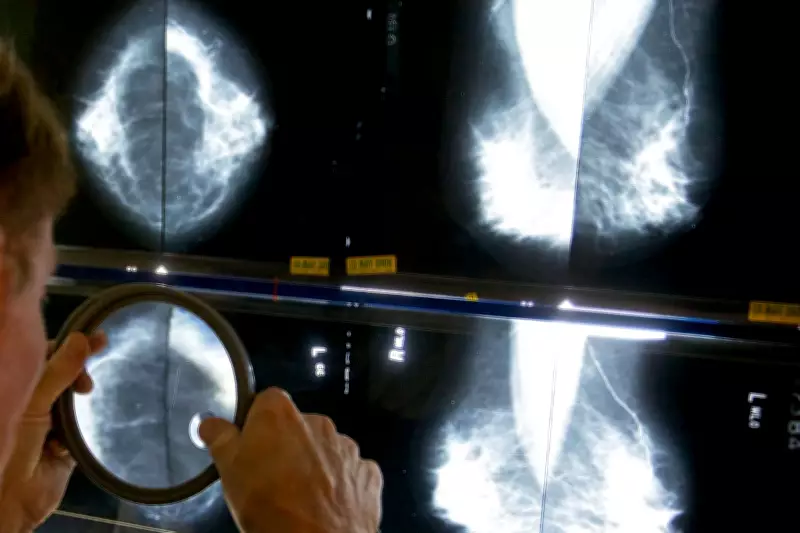
The primary mechanism for this decline is believed to be the massive postponement of routine cancer screenings. As hospitals were overwhelmed and resources diverted to fight COVID-19, essential procedures like colonoscopies, mammograms, and lung scans were delayed or canceled for millions, especially during the chaotic initial year of the pandemic in 2020.
Contradicting Trends: Overall Death Rates vs. New Patient Survival
The study's findings appear to contradict earlier data showing that overall U.S. cancer death rates continued their long-term decline throughout 2020 and 2021, without massive shifts in late-stage diagnoses. Burus clarifies this paradox, noting that the foundational pillars of cancer prevention and treatment built over decades did not vanish overnight.
"We didn't forget how to do those things," he explained. "But disruptions could have changed access, could have changed how quickly people were getting treated." The decline in overall mortality rates reflects the success of ongoing treatments and preventive measures for the existing cancer patient population, while the new study highlights a specific vulnerability for those newly entering the system during the crisis.
Expert Endorsement and Call for Preparedness
The research has been welcomed by experts in the field. Recinda Sherman, a researcher with the North American Association of Central Cancer Registries, praised the work. "As this study is the first to document pandemic-related, cause-specific survival, I think it is important," Sherman said. She underscored its value for future planning: "The more we understand about the impact of COVID-19, the better we will be able to prepare for the next one."
Detailed Findings and Lasting Implications
The study analyzed national cancer registry data, focusing specifically on over 1 million patients who received a first diagnosis of malignant cancer in 2020 or 2021. Within this group, approximately 144,000 individuals died within one year of diagnosis.
By examining one-year survival rates and the stage at diagnosis, researchers calculated that survival was lower for both early- and late-stage diagnoses when all cancer sites were combined. The most concerning disparities were identified in specific cancers:

- Colorectal Cancer
- Prostate Cancer
- Pancreatic Cancer
These cancers showed particularly large differences in survival outcomes between the pandemic and pre-pandemic periods.
Looking ahead, Hyuna Sung, a senior principal scientist and cancer epidemiologist at the American Cancer Society, noted that further research is needed to determine if these impacts are lasting. "Transient declines in survival that quickly recover may have little impact on long-term mortality trends," she cautioned. The full legacy of the pandemic's disruption on cancer outcomes remains a critical question for public health officials and oncologists worldwide.





