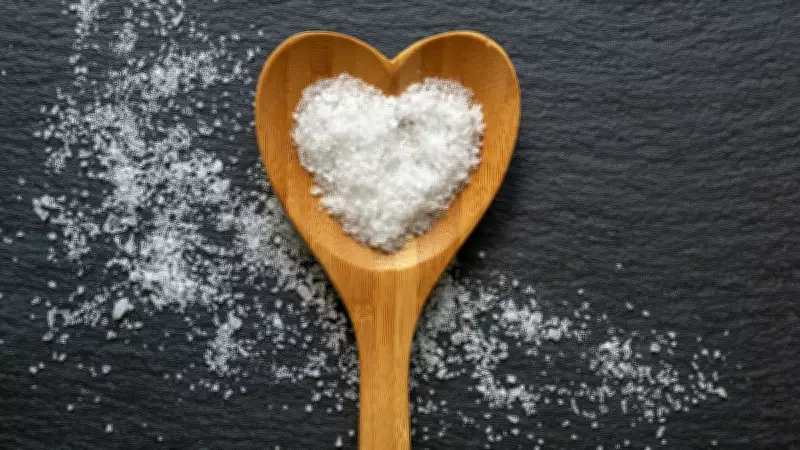
A recent study has ignited a fresh debate over the health implications of salt consumption, challenging the long-standing belief that reducing salt intake is universally beneficial. The research, published in a leading medical journal, suggests that moderate salt consumption may not be as harmful as previously thought for individuals without high blood pressure or other risk factors.
The Study's Findings
Researchers analyzed data from over 100,000 participants across 18 countries, tracking their sodium excretion (a marker of salt intake) and health outcomes over an average of eight years. They found that while high salt intake (above 5 grams per day) was associated with increased cardiovascular risks, moderate intake (between 3 and 5 grams per day) was not linked to higher mortality or heart disease rates. In fact, extremely low salt intake (below 3 grams per day) was associated with a higher risk of cardiovascular events.
Expert Reactions
The study has divided experts. Some argue that the findings align with previous research suggesting a J-shaped curve for salt consumption, where both too little and too much can be harmful. Others caution that the study's observational nature cannot establish causation and that the results should not be interpreted as a green light to increase salt intake indiscriminately.

Dr. Anjali Sharma, a cardiologist at a leading hospital, noted: “While this study adds nuance, we must remember that the average diet already contains excessive salt. The focus should remain on reducing intake from processed foods, not adding salt to home-cooked meals.”
Practical Implications
For the general public, the study underscores the importance of individualized dietary advice. People with hypertension, diabetes, or kidney disease should continue to follow low-sodium recommendations. However, for healthy individuals, the emphasis may shift toward avoiding extreme restrictions and focusing on overall diet quality.
What Experts Recommend
- Monitor sodium sources: Most dietary sodium comes from processed and restaurant foods, not the salt shaker. Reading labels and choosing low-sodium options can help.
- Balance with potassium: Foods rich in potassium, such as fruits and vegetables, can counteract sodium's effects.
- Consult a healthcare provider: Individual needs vary based on health status, age, and activity level.
The debate is far from settled, but this study adds a critical layer to the ongoing conversation about salt and health. As with many dietary components, moderation and context appear to be key.