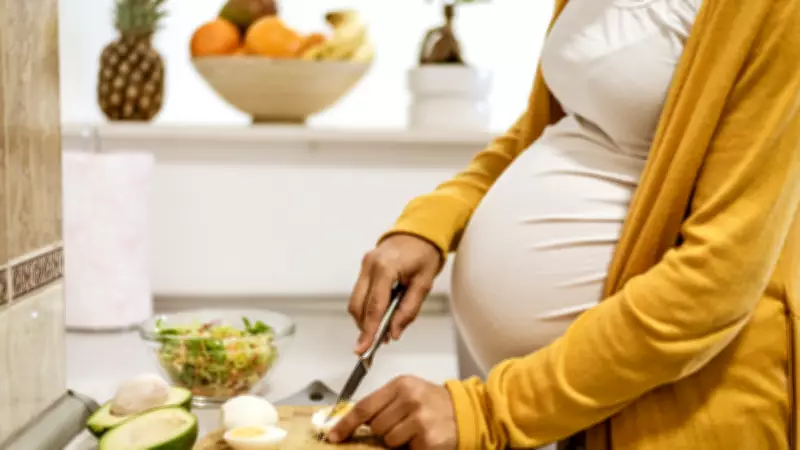
Pregnancy brings about transformative changes in a woman's body, both visible and invisible. A growing baby requires essential nutrients daily to build bones, organs, blood supply, muscles, and the brain. Simultaneously, the mother's body works overtime to support this growth while maintaining her own strength and immunity. Therefore, nutrition during pregnancy is not merely about eating more; it is about eating better.
The Importance of Nutrient-Dense Foods
Many traditional Indian foods already provide the necessary nutrition for pregnancy. However, modern eating habits often replace these wholesome options with packaged snacks, sugary drinks, and processed meals that fill the stomach but offer little nutritional value. Nutrient-rich foods, often termed superfoods, help bridge this gap naturally.
Dr. Sandhya Singh S, PhD, HOD and Chief Clinical Dietitian at the Department of Nutrition and Dietetics, Apollo Hospitals, Bangalore, explains, "Pregnancy is a phase of life that warrants additional nutritional requirements to support the mother's health and the baby's growth and development. These increasing demands can be met by providing a balanced diet with a major focus on nutrient-dense foods."

Ragi and Millets: Quiet Strength Builders
Older generations often recommended ragi porridge to pregnant women for good reason. Ragi may not look glamorous on a plate, but nutritionally, it is highly beneficial. Ragi is naturally rich in calcium and iron, two nutrients that become especially important during pregnancy. Calcium supports the baby's skeletal development, while iron helps the mother maintain healthy hemoglobin levels and oxygen supply.
"One of the most valuable superfoods is ragi. It is rich in calcium and iron, making it ideal for supporting the baby's bone formation and preventing anemia in the mother," says Dr. Singh. Unlike refined flour products that spike blood sugar quickly, ragi contains fiber that helps maintain steady glucose levels. This is particularly useful during pregnancy when some women develop gestational diabetes or experience sudden energy crashes.
Ragi dosa, ragi malt, ragi rotis, and homemade laddoos are practical additions to everyday meals. Ragi fits naturally into Indian kitchens without requiring expensive imported ingredients.
Green Leafy Vegetables: More Powerful Than They Look
Spinach, methi, amaranth, and drumstick leaves are often pushed aside on the plate, especially during pregnancy cravings. Yet these humble greens carry some of the most important nutrients for a developing baby. Folate, found in green leafy vegetables, plays a critical role in preventing neural tube defects in early pregnancy. Iron supports blood formation and helps reduce fatigue, weakness, and dizziness.
Dr. Singh explains, "Adding greens in early pregnancy provides folates that prevent neural tube defects. Also, adding greens to the daily diet improves oxygen supply to the cells and reduces the risk of weakness and fatigue." Another benefit is gut health support. During pregnancy, digestion can slow down due to hormonal changes. Fiber-rich greens help reduce constipation, a common but less discussed pregnancy issue. Simple home-style dishes like dal palak, methi paratha, or lightly sautéed greens often work better than complicated health foods.
Protein Matters More Than Most People Realize
Many women focus heavily on calcium and iron during pregnancy, but protein often gets overlooked. Protein is essential because the baby's organs, tissues, and muscles are built from it. "Meeting the additional protein demands is another challenge which all women face during pregnancy. Protein plays a very important role in growth and development of the fetus," says Dr. Singh.
Protein does not have to come from expensive supplements. Traditional Indian diets already contain several strong sources. Split dals, curd, milk, paneer, eggs, fish, and chicken can all contribute meaningfully. Curd and dals together create a combination that is easy to digest and filling. Eggs provide high-quality protein along with choline, a nutrient linked to brain development. Fish, especially fatty fish consumed safely and in moderation, also supplies omega-3 fatty acids that support the baby's brain and eye development. Instead of chasing superfood powders, experts recommend building meals around ordinary foods eaten consistently.

Nuts, Bananas, and Makhana: Small Foods with Big Benefits
Pregnancy hunger is different. Sometimes meals feel too heavy, but long gaps without food can worsen nausea, acidity, or tiredness. Smart snacking becomes important. Almonds and walnuts provide healthy fats, vitamin E, and minerals that support the baby's nervous system development. Walnuts are naturally rich in omega-3 fatty acids.
Bananas deserve more credit than they usually get. They are rich in potassium, which helps manage fluid balance and muscle cramps. Many women experience leg cramps during the second and third trimesters, especially at night. Dr. Singh notes, "Bananas are packed with calories and considered an excellent snack that provides instant energy, which is crucial during the last trimester of pregnancy."
Fox nuts, or makhana, have become one of the most preferred pregnancy snacks. Roasted makhana is light on the stomach yet rich in calcium and protein. It also satisfies cravings for crunchy snacks without relying on heavily salted packaged foods. Even a simple evening bowl of roasted makhana with nuts can offer better nourishment than processed chips or biscuits.
Hydration and Healthy Fats Complete the Picture
Nutrition during pregnancy is not only about solid food. Hydration matters just as much. As blood volume increases during pregnancy, the body's fluid needs rise. Dehydration can worsen headaches, fatigue, constipation, and even urinary tract infections. Dr. Singh says, "Maintaining adequate hydration through tender coconut water, unsweetened fruit juices, and soups helps manage the additional fluid demands of the body during pregnancy." Tender coconut water is especially valued during Indian summers because it provides electrolytes naturally. Homemade soups can also help women who struggle with nausea or poor appetite.
Healthy fats are another misunderstood part of pregnancy nutrition. For years, many women avoided ghee completely out of fear of weight gain. However, in moderate amounts, good fats help absorb fat-soluble vitamins like A, D, E, and K. "Good fats like ghee should be an integral part of the diet. This facilitates fat-soluble vitamin absorption, supports digestion, and enhances the taste of food," explains Dr. Singh. The real concern is not moderate homemade ghee but excessive intake of ultra-processed foods loaded with unhealthy fats, sugar, and sodium.
A Balanced Plate Still Matters Most
Superfoods are helpful, but no single food can provide complete nutrition on its own. A healthy pregnancy diet works best when different food groups come together in balance. That means combining grains, pulses, vegetables, fruits, dairy, proteins, and healthy fats in the right portions. It also means listening to the body instead of blindly following internet food trends. Traditional Indian meals, when thoughtfully prepared, already contain much of what a pregnant woman needs. Sometimes, the best nutrition advice is not about discovering something new but about returning to simple, nourishing food habits that families trusted for generations.
Disclaimer: This article is for informational purposes only and should not be considered medical advice. Nutritional needs during pregnancy can vary based on health conditions, trimester, and individual requirements. Pregnant women should consult a qualified doctor or registered dietitian before making major dietary changes or starting supplements.