

Pune Hospital MRI Crisis: Patients Forced to Travel 4km as PPP Project Stalls
Patients admitted at Aundh District Hospital (ADH) in Pune are facing significant inconvenience, being compelled to travel approximately 3-4 kilometers for essential MRI scans. This situation arises because the private agency contracted to provide these services at the hospital has failed to install the scanning machine, despite receiving the contract from the state government over two years ago.
Contractual Delays and Patient Suffering
The civil surgeon of Pune district, Nagnath Yempalle, has repeatedly written to the health department regarding this critical issue. According to Yempalle, "The public-private partnership contract was awarded to the Mumbai-based agency by the state government in August 2024. Since then, we have consistently communicated with both the agency and the state government to expedite the installation of the MRI machine."
Currently, patients must travel to the private agency's external facility to undergo MRI tests, where the scans are provided free of charge. However, for in-house patients, this arrangement represents a substantial burden, disrupting their treatment and recovery processes.

Financial Disputes Hinder Healthcare Delivery
The Unique Wellness Centre (UWC), the operator at ADH, secured the contract in November 2023 to establish a CT scan and MRI diagnostics center, with services scheduled to commence by February 2024. Yet, the MRI machine remains uninstalled. The agency attributes this delay to awaiting payment from the state government.
In a letter dated June 2, 2025, the agency detailed their financial struggles: "The continued delay and non-payment for services rendered severely impact our operational payments. Despite maintaining high standards, the absence of 70% payments since October 2024 has brought us to a breaking point." The letter further warned that their radiologist team might cease CT and MRI scan reporting services immediately due to these payment issues.
Government Response and Inspections
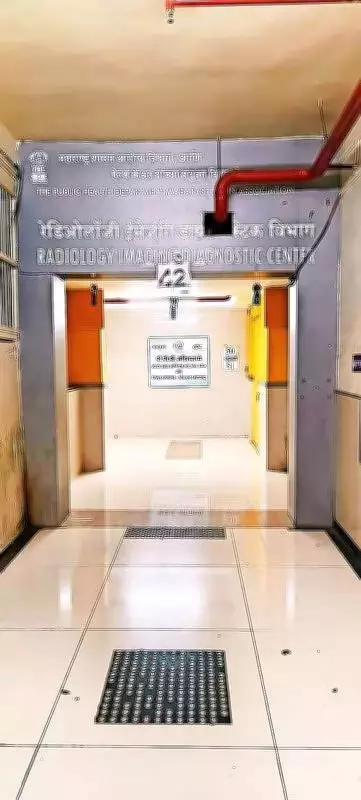
In July 2025, the civil surgeon issued a show-cause notice to the agency, highlighting that the six-month deadline for machine installation had expired per the contract terms. The notice emphasized that only the CT scan machine was operational, while the MRI department remained incomplete, leading to numerous patient complaints.
A recent inspection by state health department members revealed the MRI department in disrepair, with patients forced to seek scans outside the hospital. In response, Health Minister Prakashrao Abitkar issued a stern warning to all outsourcing institutions during a meeting on Wednesday. "Civil surgeons and deputy health officers must conduct regular inspections in hospitals with third-party service providers. Outsourced institutions must strictly adhere to quality, transparency, and departmental rules," Abitkar stated.
He added that penal actions, including contract cancellation and potential blacklisting, would be taken against violators. The minister also stressed the importance of timely wage payments to employees in third-party institutions.
Broader Implications and Agency Perspective
MRI scans in private facilities in Pune can cost between Rs 2,000 and Rs 10,000, making government-provided services crucial for economically disadvantaged patients. The PPP model was initiated to ensure no poor patient is deprived of this vital diagnostic facility.
Jaipal Ravat, manager of the UWC unit at ADH, commented, "We have regularly communicated our challenges to the state government. Payment is a significant issue, but we face other operational hurdles as well." This ongoing dispute underscores systemic flaws in public-private healthcare partnerships, where bureaucratic delays and financial mismanagement directly affect patient care.
The situation at Aundh District Hospital serves as a stark reminder of the need for stringent oversight and timely resolution of contractual disputes in healthcare infrastructure projects. As patients continue to endure unnecessary travel and treatment delays, both the state government and private agencies must prioritize collaborative solutions to restore essential medical services.






