

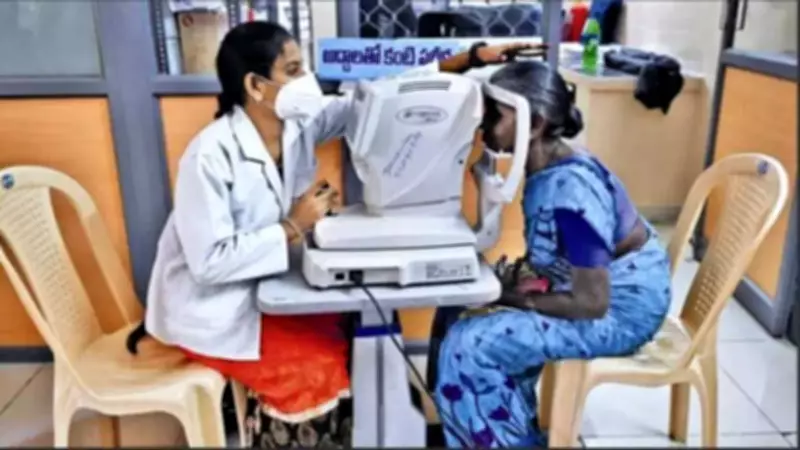
Rural Cataract Surgeries Deliver Strong Visual Outcomes, Study Shows
Quality cataract care is no longer exclusive to large urban hospitals, according to new research. A study published in the Indian Journal of Ophthalmology demonstrates that cataract surgeries performed in rural secondary eye care centers can restore vision just as effectively as those in city settings, provided services are brought closer to villages and supported by regular follow-ups.
Study Details and Findings
Conducted by doctors from the LV Prasad Eye Institute (LVPEI) in Hyderabad, the research analyzed 1,23,685 cataract surgeries carried out between 2016 and 2020 at 20 rural secondary eye care centers operated by LVPEI across four Indian states, including Telangana. Cataract remains the leading cause of blindness globally, with rural populations often facing delays in treatment due to limited hospital access, lack of awareness, and financial constraints, particularly affecting women and the elderly.
The results were highly encouraging. More than 91% of patients regained good vision following surgery, while nearly 94% achieved functional vision at their final follow-up. Most patients were over 60 years old, and more than half were women. The majority of procedures utilized manual small incision cataract surgery, a technique favored in rural areas for its safety, effectiveness, and affordability. Poorer outcomes were primarily linked to advanced age, pre-existing eye conditions, or surgical complications.

Challenges in Follow-Up Care
Despite the positive outcomes, the study highlighted a significant challenge: nearly 20% of patients did not return for follow-up visits. Those most likely to miss these appointments were elderly patients, women, and individuals who had undergone free surgeries, indicating persistent social and economic barriers. Dr. Rohit Khanna, network director for the public health unit at LVPEI and one of the study's authors, emphasized that while quality cataract care is feasible in rural areas, these barriers still impact long-term results.
Policy Initiatives and Broader Impact
The findings align with recent policy efforts in Telangana. Last month, Health Minister Damodar Raja Narasimha announced plans to establish eye care clinics across the state to expand access to continuous services. Unlike temporary eye camps, these clinics will offer round-the-clock care, with Sarojini Devi Eye Hospital in Hyderabad serving as a central coordination hub.
The scale of cataract care in Telangana has already seen substantial growth. In 2024 and 2025 combined, a total of 6,12,973 cataract surgeries were performed. During the same period, eye screening was conducted for 33,65,832 school students, and spectacles were distributed to 76,176 children requiring vision correction. These efforts underscore that sustained, locally rooted eye care systems can significantly reduce preventable blindness and make sight-saving treatments accessible to rural communities.






