

Unhygienic Street Food Tied to Alarming Rise in Liver Failure Across India
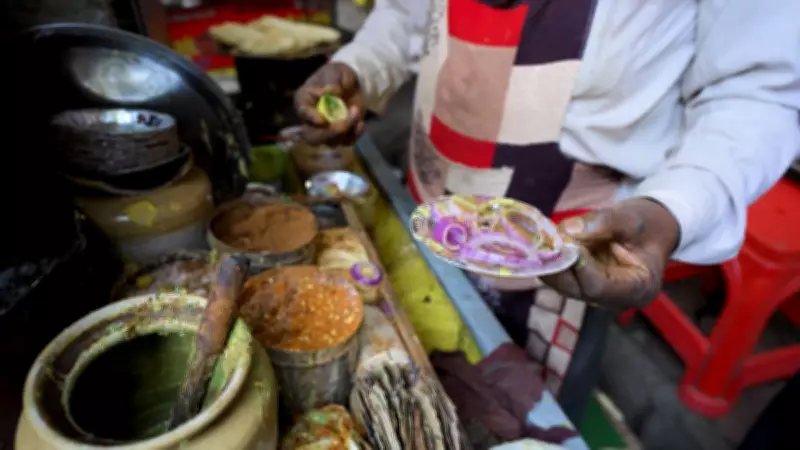
Health authorities and medical professionals are raising urgent alarms over a disturbing trend linking the consumption of unhygienic street food to a significant increase in liver failure cases nationwide. Popular snacks such as pani puri, momos, golgappe, and various chaat items are under scrutiny due to widespread contamination issues that pose severe health risks.
Contamination Sources and Health Impacts
The primary culprits behind this public health crisis include the use of contaminated water, improperly stored ingredients, and unsanitary preparation practices. Street vendors often operate in environments lacking basic hygiene standards, leading to the proliferation of harmful bacteria, viruses, and toxins. When ingested, these pathogens can trigger acute infections that overwhelm the liver, resulting in conditions like hepatitis and, in severe cases, complete liver failure.
Medical experts emphasize that liver failure is a life-threatening condition requiring immediate intervention, such as hospitalization or even transplantation. Symptoms may initially present as fatigue, jaundice, and abdominal pain, but can rapidly escalate without proper treatment. The rise in cases is particularly concerning in urban areas where street food consumption is high, highlighting a critical gap in food safety enforcement.

Call for Stricter Regulations and Public Awareness
In response to this growing threat, health advocates are calling for enhanced regulatory measures to ensure street food vendors adhere to strict hygiene protocols. Recommendations include:
- Mandatory licensing and regular inspections of street food stalls.
- Implementation of clean water and sanitation facilities at vending sites.
- Public education campaigns to inform consumers about the risks of unhygienic food.
Additionally, consumers are advised to exercise caution by choosing vendors who maintain visible cleanliness and avoid items that appear spoiled or prepared under questionable conditions. While street food remains an integral part of Indian culture and economy, balancing tradition with health safety is paramount to prevent further liver-related illnesses.
The situation underscores the need for a collaborative effort between government agencies, health organizations, and the public to address foodborne hazards. Without prompt action, the incidence of liver failure from contaminated street food could continue to climb, posing a significant burden on healthcare systems and affecting countless lives.






