

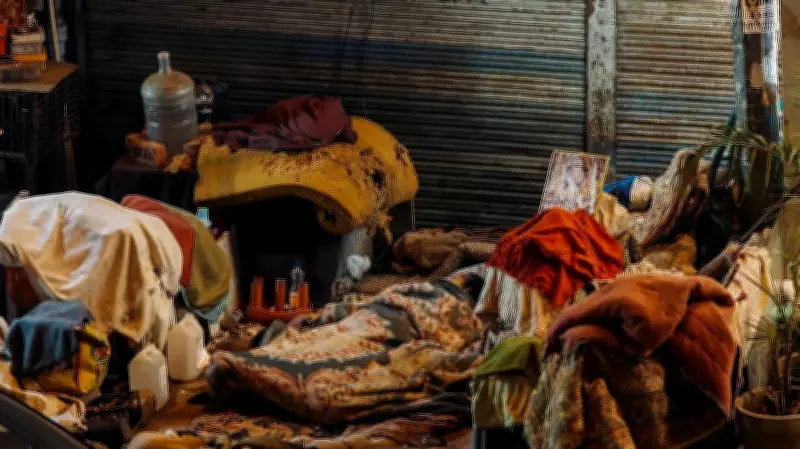
Tuberculosis: The Relentless Poverty Disease That Devours Livelihoods
A persistent, debilitating cough that slowly eats away at a poor man's hard-earned wages—this is the harsh reality of tuberculosis, often termed a poverty sickness. The financial burden of this disease extends far beyond medical expenses, crippling families already struggling to make ends meet.
The Crushing Stigma That Isolates Victims
The stigma associated with tuberculosis creates profound social isolation for affected individuals and their families. This discrimination manifests in various ways:
- Neighbors avoiding contact with infected households
- Extended family members withdrawing support systems
- Community gatherings excluding those affected by TB
- Employment discrimination against known TB patients
This social ostracization compounds the medical challenges, creating a vicious cycle where poverty enables the disease's spread, and the disease deepens poverty through both direct costs and social exclusion.

The Financial Drain of Tuberculosis Treatment
For impoverished families, tuberculosis represents more than just a health crisis—it's an economic catastrophe. The costs accumulate through:
- Medical expenses for diagnosis and prolonged treatment
- Lost wages from reduced work capacity during illness
- Transportation costs to reach distant healthcare facilities
- Nutritional requirements that strain limited household budgets
These financial pressures force impossible choices between treatment and basic survival needs, often leading to treatment abandonment that perpetuates the disease cycle.
The Community Support Gap
Perhaps most devastating is the near-total absence of community support for tuberculosis-affected families. Unlike other health crises that might rally neighbors and relatives, TB often triggers avoidance and fear-driven isolation. This lack of social safety net means:
- Families face the disease burden alone without practical assistance
- Children of TB patients may experience educational disruptions
- Mental health deteriorates under the weight of both illness and social rejection
- Recovery becomes more difficult without emotional and practical support systems
The intersection of medical vulnerability, financial precarity, and social exclusion creates what experts describe as a perfect storm for perpetuating tuberculosis in impoverished communities.
Breaking the Cycle of Disease and Poverty
Addressing tuberculosis as merely a medical issue misses the crucial socioeconomic dimensions. Effective intervention requires:
- Comprehensive support systems that address both health and economic needs
- Community education programs to reduce stigma and misinformation
- Integrated approaches linking healthcare with poverty alleviation initiatives
- Policy frameworks that recognize TB as both a health and social justice issue
Until tuberculosis is understood and addressed within its full socioeconomic context—as a disease that thrives on poverty and perpetuates it—efforts to control its spread will remain incomplete. The cough that consumes wages represents not just a medical symptom but a systemic failure affecting society's most vulnerable members.






