

The Thyroid Epidemic in India: When Medication Falls Short
Thyroid problems have become a significant health concern in India, affecting approximately 42 million people, with women being particularly vulnerable. Current statistics reveal that about one in ten adults lives with hypothyroidism, and millions rely on daily thyroid tablets like Thyronorm to manage their condition.
The Medication Paradox: Normal Tests but Persistent Symptoms
Despite years of consistent medication and test results that fall within "normal" ranges, many individuals continue to experience troubling symptoms. These include:
- Persistent fatigue and low energy levels
- Unexplained weight gain or difficulty losing weight
- Brain fog and cognitive difficulties
- Mood changes and emotional instability
This widespread phenomenon raises a critical question that challenges conventional medical approaches: Is taking a thyroid pill sufficient to achieve genuine wellness?

Understanding Thyroid Function: More Than Just Hormones
The Thyroid Gland: A Metabolic Powerhouse
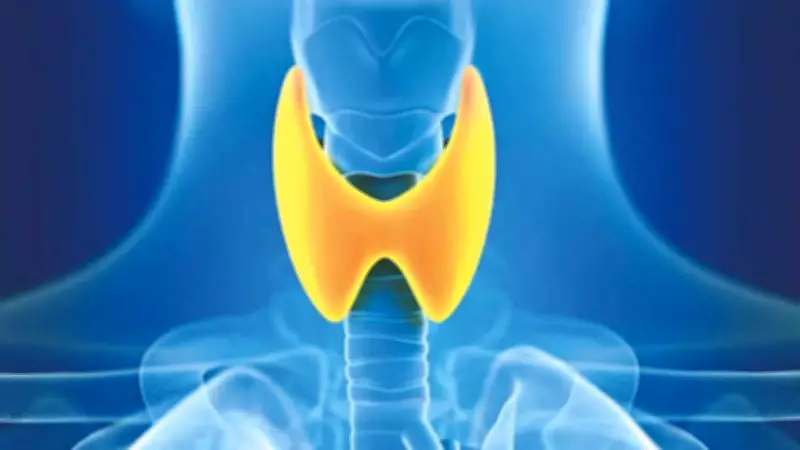
The thyroid is a small, butterfly-shaped gland positioned in the center of the neck, just below the larynx and above the clavicles. Despite its modest size, it serves as a crucial regulator of the body's metabolism—controlling how the body produces, utilizes, and stores energy.
This gland produces two essential hormones:
- Thyroxine (T4): The primary circulating hormone
- Triiodothyronine (T3): The biologically active hormone that operates at the cellular level
The Traditional Regulatory Model
Thyroid activity is primarily regulated by the pituitary gland, located at the base of the brain. This gland releases thyroid-stimulating hormone (TSH), which signals the thyroid to produce T3 and T4. This feedback mechanism has long formed the foundation of thyroid diagnosis and treatment protocols. However, while this model is scientifically accurate, it represents only part of the complete picture of thyroid health.
Common Thyroid Disorders in India
Hypothyroidism: The Underactive Thyroid
Hypothyroidism occurs when the body experiences insufficient thyroid hormone levels. Common causes include:
- Iodine deficiency
- Surgical removal of the thyroid gland
- Certain medications that suppress thyroid activity
- Pituitary dysfunction
- Thyroid injury or chronic inflammation
Typical symptoms often manifest as fatigue, weight gain, cold intolerance, and slowed cognitive function.
Hashimoto's Thyroiditis: An Autoimmune Challenge
Hashimoto's disease represents an autoimmune condition where the immune system produces antibodies that attack thyroid tissue. Over time, this immune assault gradually reduces the gland's ability to produce hormones. Since thyroid hormones influence nearly every cell in the body, Hashimoto's can create widespread systemic effects, often appearing long before hormone levels fall outside conventional laboratory ranges.
Hyperthyroidism: The Overactive Thyroid
Hyperthyroidism occurs when the thyroid produces excessive hormones, most commonly due to Graves' disease—another autoimmune condition that overstimulates the thyroid gland. Symptoms typically include anxiety, heat intolerance, weight loss, and palpitations, reflecting an accelerated metabolic state.
The Mitochondrial Connection: A Revolutionary Discovery
Mitochondria: Cellular Energy Factories
Mitochondria are energy-producing structures within cells that convert nutrients into ATP—the energy currency required for all biological processes, including thyroid hormone synthesis, activation, and action. While thyroid hormones stimulate mitochondrial activity and energy production, emerging evidence reveals a crucial reciprocal relationship.
Mitochondrial health directly determines how effectively thyroid hormones are produced, activated, and utilized throughout the body. When mitochondrial energy production becomes impaired, hormone synthesis efficiency declines significantly, even when iodine intake and TSH levels appear adequate.
A New Paradigm for Thyroid Health
We can now describe thyroid health more accurately through a dual-component model:

- Thyroid hormones provide the essential signaling mechanism
- Mitochondria determine whether these signals can be effectively executed at the cellular level
A strong hormonal signal combined with a weak cellular engine still results in poor metabolic output. This understanding shifts the treatment paradigm from viewing thyroid dysfunction as merely a hormone disorder to adopting a mitochondria-first approach that focuses on restoring cellular energy capacity so thyroid hormones can work effectively.
Practical Strategies for Restoring Cellular Energy
Nutritional Foundations
To support mitochondrial health and improve thyroid function, consider these essential strategies:
- Ensure adequate protein intake for hormone synthesis
- Correct deficiencies in iron, vitamin B complex, and magnesium
- Provide support for mitochondrial cofactors through proper nutrition
- Avoid chronic under-eating and restrictive diets
- Reduce consumption of ultra-processed foods
- Address insulin resistance through dietary modifications
Lifestyle Interventions
Beyond nutrition, several lifestyle factors significantly impact mitochondrial health:
- Improve sleep quality and maintain consistent circadian rhythms
- Effectively manage chronic psychological stress
- Incorporate regular movement as mitochondrial medicine
- Implement resistance training to stimulate mitochondrial biogenesis
- Avoid excessive endurance exercise during hypothyroid states
Measuring Progress Beyond Lab Results
True improvement in thyroid health should manifest in tangible daily experiences rather than just laboratory numbers. Look for progress in these key areas:
- Sustained energy levels and improved recovery
- Better temperature regulation and thermal comfort
- Enhanced exercise tolerance and physical capacity
- Improved cognitive clarity and mental sharpness
- Stable mood and emotional well-being
This comprehensive approach to thyroid health represents a significant advancement beyond conventional medication-only strategies, offering hope to the millions of Indians who continue to struggle with thyroid-related symptoms despite standard treatment protocols.





