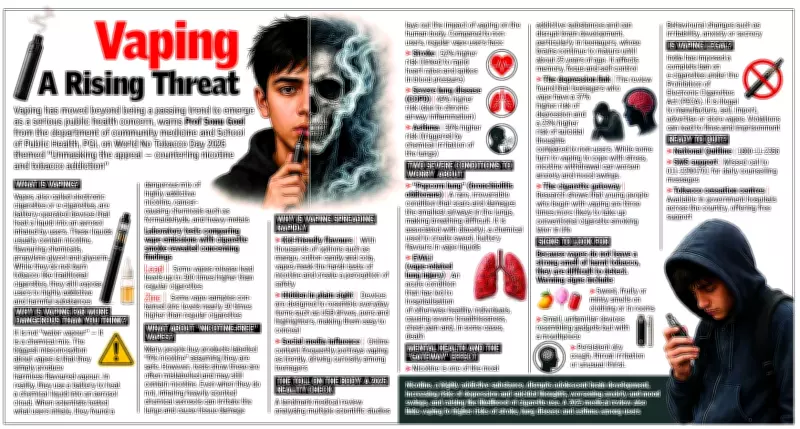
A recent study conducted in Chandigarh has shed light on the serious health risks associated with vaping. The research, which analyzed data from multiple healthcare institutions, indicates that e-cigarettes and vaping devices are not a safe alternative to traditional smoking. Instead, they pose significant threats to respiratory health, including lung inflammation, reduced lung function, and an increased risk of chronic obstructive pulmonary disease (COPD).
Key Findings of the Study
The study found that vaping can lead to nicotine addiction, especially among young adults and teenagers. Many users reported starting vaping as a means to quit smoking but ended up becoming dependent on nicotine. Additionally, the aerosol produced by e-cigarettes contains harmful chemicals such as formaldehyde, acrolein, and heavy metals, which can damage lung tissue over time.
Impact on Youth
One of the most concerning aspects of the study is the rising popularity of vaping among school and college students in Chandigarh. The researchers noted that flavored e-liquids appeal to younger demographics, making them more likely to experiment with vaping. This trend has led to an increase in nicotine addiction among adolescents, which can impair brain development and lead to long-term health consequences.

Call for Stricter Regulations
Health experts in Chandigarh are urging the government to impose stricter regulations on the sale and marketing of vaping products. They recommend banning flavored e-liquids, raising the minimum age for purchase, and implementing public awareness campaigns about the dangers of vaping. The study also emphasizes the need for better enforcement of existing laws that prohibit the sale of e-cigarettes to minors.
Comparison with Traditional Smoking
While some proponents argue that vaping is less harmful than smoking cigarettes, the study highlights that it is not risk-free. Vaping still exposes users to carcinogens and other toxic substances, and the long-term effects are not yet fully understood. The researchers caution against viewing vaping as a harmless habit and stress that cessation programs should focus on both smoking and vaping.
Recommendations for Public Health
The study concludes with several recommendations for public health officials. These include increasing funding for research on vaping-related illnesses, providing support for individuals trying to quit vaping, and integrating vaping cessation into existing tobacco control programs. Schools and colleges are also encouraged to incorporate education about the risks of vaping into their curricula.
Overall, the Chandigarh study serves as a stark reminder that vaping is not a safe alternative to smoking and that immediate action is needed to protect public health, especially among the youth.