

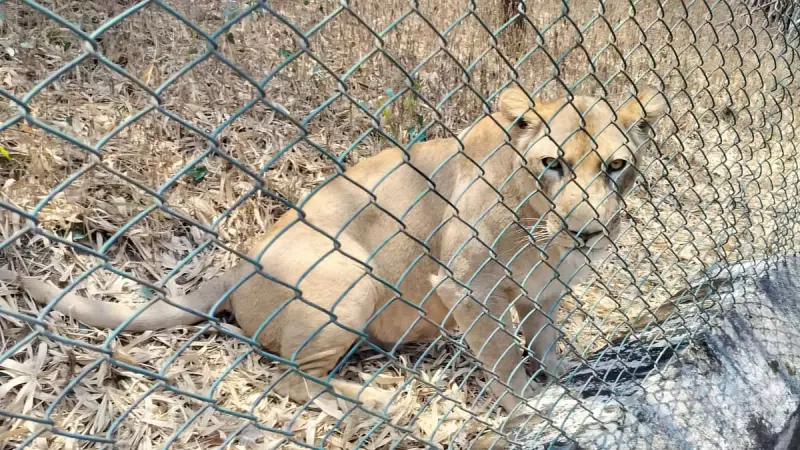
Karnataka Zoos Confront Dire Veterinarian Shortage, Threatening Wildlife Welfare
The state of Karnataka is currently facing a significant and pressing challenge in its zoological parks, where a severe shortage of qualified veterinarians is compromising the standard of care provided to wildlife. This critical deficit has raised serious concerns among conservationists, zoo authorities, and animal welfare advocates regarding the health, safety, and long-term well-being of the diverse animal populations housed within these facilities.
Escalating Crisis in Animal Healthcare Infrastructure
Reports indicate that multiple zoos across Karnataka are operating with a drastically reduced number of veterinary professionals, far below the recommended staffing levels required for effective animal management. This shortage is not merely a minor operational hiccup but represents a fundamental breakdown in the essential healthcare infrastructure necessary for maintaining captive wildlife. The situation has become so acute that routine medical check-ups, emergency interventions, and specialized treatments are being delayed or inadequately performed, potentially endangering animal lives.
Implications for Conservation and Breeding Programs
The veterinarian scarcity extends beyond immediate healthcare concerns, posing a substantial threat to vital conservation and captive breeding initiatives. Zoos play a crucial role in species preservation efforts, particularly for endangered and vulnerable animals. Without sufficient veterinary oversight, breeding programs may falter, genetic diversity could be compromised, and the overall success of conservation projects is placed at considerable risk. This undermines Karnataka's contributions to global biodiversity goals and its commitment to wildlife protection.

- Insufficient Recruitment: State authorities have failed to fill vacant veterinary positions in a timely manner, leading to prolonged gaps in essential services.
- Specialized Skill Requirements: Zoo veterinary medicine demands highly specialized knowledge of exotic species, which limits the pool of eligible candidates.
- Resource Allocation Issues: Budgetary constraints and administrative bottlenecks have hindered efforts to attract and retain qualified professionals.
- Geographic Distribution Challenges: Remote zoo locations often struggle to attract veterinarians, exacerbating the disparity in service availability.
Urgent Calls for Systemic Intervention and Policy Reform
In response to this escalating crisis, wildlife experts and animal rights organizations are urging the Karnataka government to implement immediate and comprehensive measures. Proposed solutions include expediting the recruitment process for veterinary positions, enhancing training programs for zoo-specific medical skills, and increasing budgetary allocations for wildlife healthcare infrastructure. There is a growing consensus that without prompt and decisive action, the state's zoos may face irreversible setbacks in animal welfare standards and conservation achievements.
The current veterinarian shortage in Karnataka's zoological parks serves as a stark reminder of the intricate link between professional expertise and successful wildlife management. As the situation continues to develop, stakeholders remain hopeful that renewed focus and resource investment will restore the necessary medical support systems, ensuring that the state's cherished wildlife receives the care and protection it fundamentally deserves.

