

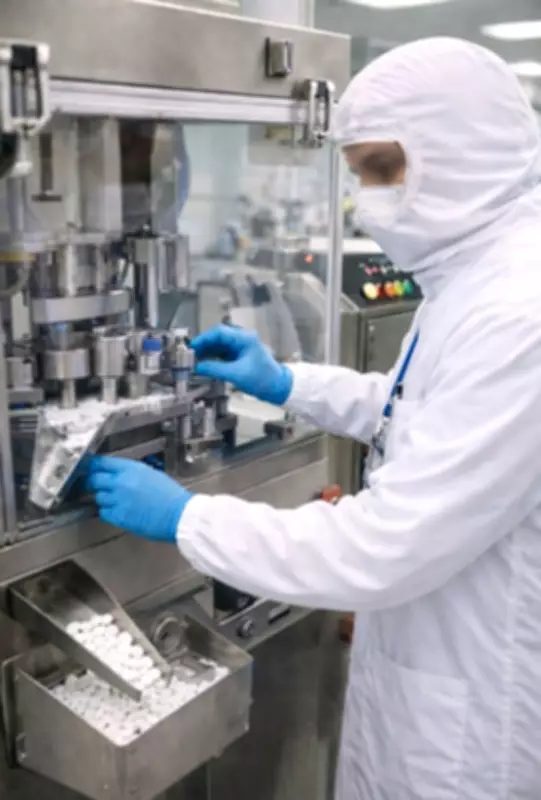
West Asia Crisis Chokes Global Medicine Supply, Posing Public Health Threat
The prolonged crisis in West Asia is no longer confined to energy markets or geopolitical conflicts. It is now seeping into the global healthcare system, creating a looming public health challenge. The disruption of petrochemical supply chains, particularly through the strategically vital Strait of Hormuz, is beginning to threaten the production of essential medicines relied upon by millions worldwide.
Hidden Dependence on Petrochemicals in Pharmaceuticals
At the heart of this crisis lies a largely overlooked reality: modern pharmaceuticals are deeply dependent on petrochemical derivatives. Common medicines such as paracetamol and ibuprofen are entirely derived from petrochemicals, while metformin, the most widely prescribed drug for type 2 diabetes, is composed of nearly 80-90 per cent petrochemical inputs. Even phenol, a key compound in drug synthesis, originates from petrochemical processes.
India's Vulnerability as the 'Pharmacy of the World'
India, often referred to as the pharmacy of the world, is particularly vulnerable. Supplying nearly 20 per cent of global generic drugs and fulfilling around 40 per cent of the United States' generic demand, Indian pharmaceutical manufacturing is heavily reliant on petrochemical feedstocks such as naphtha and methanol. These materials are largely transported through the Strait of Hormuz, which has now become a chokepoint amid escalating tensions.

Aggravating Factors and Global Ripple Effects
The situation has been aggravated by a wave of shutdowns across major petrochemical facilities in Asia. Companies such as Indonesia's Chandra Asri, South Korea's Yeochun NCC, and Singapore's PCS have either declared force majeure or halted operations. Additionally, China's CNOOC-Shell facility is preparing for a shutdown. While these developments may appear confined to the plastics industry, their ripple effects extend directly into pharmaceutical production, as both sectors rely on identical feedstocks.
Petrochemical crackers, industrial units that convert hydrocarbons like naphtha into base chemicals, form the backbone of this ecosystem. When these units shut down, the supply of critical raw materials collapses. As one manufacturer aptly put it: The pills are made of oil. The same hydrocarbon chains that produce plastic packaging also generate active pharmaceutical ingredients. When the supply chain breaks, both industries suffer simultaneously.
India's Specific Challenges and Policy Constraints
India's dependence is further underscored by its methanol imports, nearly 88 per cent of which pass through the Hormuz corridor. Compounding the issue, domestic policy has prioritised household LPG consumption over industrial petrochemical needs, inadvertently constraining pharmaceutical production. While companies currently hold three to six months of finished drug inventory, this buffer is rapidly depleting as raw material inflows decline.
Implications for Vaccines and Distribution Infrastructure
The implications extend beyond everyday medicines to vaccines as well. Vaccine manufacturing relies on petrochemical-derived intermediates for stabilisers and adjuvants, while packaging, from vials to syringes to cold-chain materials, is predominantly plastic-based. Disruptions in petrochemical supply, therefore, threaten not just production but also distribution infrastructure.
Conclusion: A Looming Healthcare Emergency
As the crisis unfolds, India finds itself at the epicentre of a global pharmaceutical supply challenge. Without swift diversification of supply chains or strategic reserves of petrochemical inputs, the world could soon face shortages of critical medicines. What began as an energy disruption is fast evolving into a healthcare emergency, one that underscores the fragile interdependence of global systems.






