

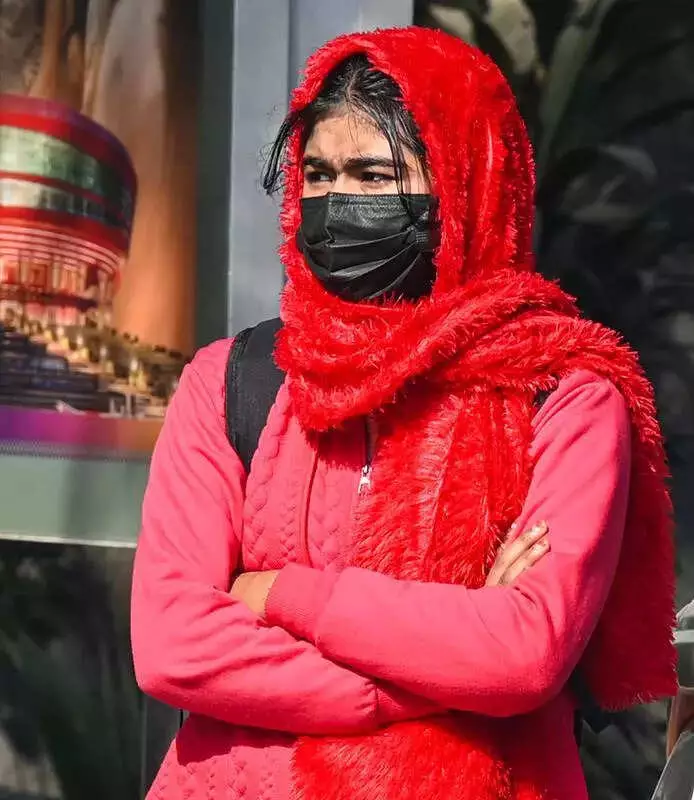
Doctors in New Delhi have issued a serious warning about the health dangers posed by the current harsh winter. They say the cold weather sharply increases the risk of heart attacks, breathing problems, and severe infections. This risk is particularly high for people with existing heart conditions, kidney diseases, diabetes, and lung disorders. Elderly individuals and young children also face significant threats during this season.
Why Winter Turns Controlled Illnesses into Emergencies
Medical experts explain that several factors combine to push managed health conditions into emergency situations. Rising blood pressure is a major concern. Many patients experience higher readings even if their pressure was previously stable. Reduced physical activity during cold days contributes to this problem. Dehydration is another key issue, as people often drink less water in winter.
Poor air quality in Delhi adds extra strain on the heart and lungs. Perhaps most dangerously, people tend to delay seeking medical care during winter, allowing minor issues to become serious complications.

Cardiac Risks and Precautions
At a press conference held at AIIMS on Monday, cardiology head Professor Rajiv Narang provided specific guidance. He stated that blood pressure monitoring should happen at home at least twice weekly. "If readings cross 140/90 mmHg, patients must seek medical advice immediately," he emphasized.
Doctors recommend cutting down on salt intake during winter months. They also advise against early morning walks during peak cold hours. Instead, exercise should be scheduled for later in the day when temperatures are more moderate.
The cold causes blood to thicken due to reduced water consumption. This thickening significantly increases heart attack risk. Air pollution further strains cardiovascular systems, especially in people with pre-existing heart conditions.
Special Concerns for Kidney and Diabetes Patients
Winter presents added dangers for individuals with kidney diseases. Professor Sandeep Mahajan from the nephrology department explained that blood pressure typically rises during cold weather. Since most kidney patients already have hypertension, their medication often requires adjustment during winter months.
Reduced physical activity, dietary excesses, and increased alcohol consumption during the season can worsen outcomes for these patients.
For people with diabetes, disrupted blood sugar control becomes a serious winter concern. Endocrinologist Professor Rajesh Khadgawat stressed the importance of maintaining activity levels despite the cold. He recommended a balanced diet while avoiding deep-fried foods. "Patients should never skip their medicines or insulin doses," he warned.
Both diabetes and kidney disease patients should consider pneumococcal vaccination, as winter infections can become particularly severe for them.
Protecting the Most Vulnerable: Elderly and Children
Geriatrics specialist Dr. Abhijith R. Rao highlighted critical precautions for older adults. Maintaining body temperature is essential for this group. "Elderly people should avoid going out early in the morning or late in the evening," he advised. Daily activities should preferably occur during daytime hours, especially after 11 AM when temperatures are warmer.
Children face perhaps the greatest winter health risks. Dr. Rakesh Lodha from the pediatrics department explained that newborns and premature babies lose body heat rapidly. They have less body fat and limited ability to regulate their temperature.
Cold stress in infants can cause lethargy, poor feeding, and breathing difficulties. Respiratory infections represent the leading cause of winter hospitalizations for children. "Covering a child's head is crucial to prevent heat loss," Dr. Lodha stressed.
Hospitals across Delhi typically see significant increases in cardiac events, respiratory complications, and infections during severe cold spells. Doctors urge all residents, especially those with existing health conditions, to take these winter health warnings seriously and implement appropriate precautions.

