

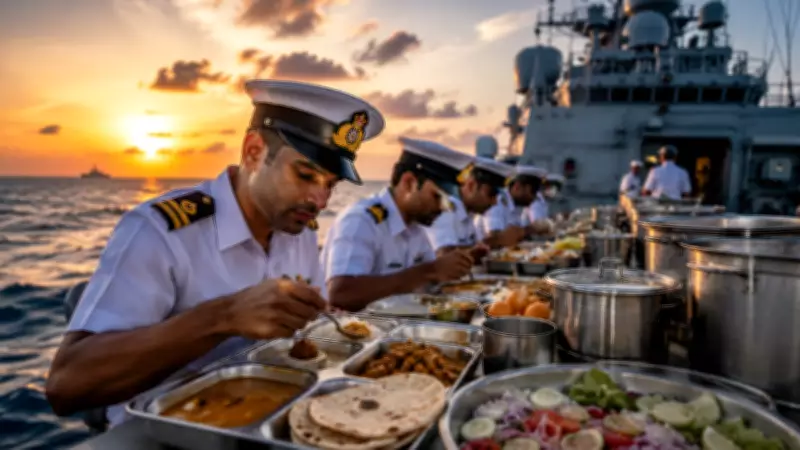
Life at sea runs on routine, and food is part of that rhythm. On a ship, the galley is not just a kitchen; it is a pressure valve, a morale booster and one of the few places where the day can briefly feel normal. The U.S. Navy says its galleys are part of a long tradition of feeding sailors at sea and ashore, and submarines have an especially tight food reality: fresh food is only practical for about two weeks before crews shift to canned, dried and frozen stores. That is why shipboard menus tend to favor foods that are filling, durable and easy to serve in motion. That does not mean Navy life at the table is dull. It means the best shipboard food is usually the kind that can survive a rolling deck, a demanding watch schedule and a crew that needs steady energy more than culinary drama. In official Navy and naval training materials, the recurring winners are simple: oatmeal, eggs, bagels and biscuit sandwiches, fruit and yogurt, trail mix and granola bars, and coffee or tea. Put together, they tell a clear story about how people eat when the ocean decides the timetable.
Oatmeal
Oatmeal is a shipboard staple because it is cheap, compact and dependable. It shows up in Navy galley planning materials as a standard breakfast item, and for good reason: it is easy to scale up for dozens or hundreds of people, and it delivers steady fuel without much fuss. On a ship, breakfast has to work hard. It has to warm you up, keep you full and get you back to watch without slowing you down. Oatmeal does all of that quietly, which is probably why it keeps showing up wherever sailors need a practical start to the day.
Eggs
Eggs are one of the clearest markers of a serious galley. They appear in Navy breakfast planning, sometimes cooked to order, sometimes folded into sandwiches, and often treated as a centerpiece rather than an afterthought. That makes sense at sea, where a good egg dish can carry a meal with very little waste. Eggs bring protein, speed and flexibility, which matters when the schedule is broken into watches instead of leisurely meals. On a ship, the goal is not restaurant theatre. It is getting hot, satisfying food onto plates fast enough to keep morale and alertness intact.

Bagels and Biscuit Sandwiches
If oatmeal is the quiet workhorse, bagels and biscuit sandwiches are the food that makes breakfast feel complete. Navy galley materials list bagels alongside eggs, juice, yogurt and coffee, while other shipboard planning documents mention biscuit sandwiches with eggs and cheese as part of the morning rotation. That combination is practical, portable and satisfying, which is exactly the point. A biscuit sandwich can be eaten quickly between duties; a bagel can be toasted, topped and handed over with minimal complication. At sea, foods that can be assembled fast and still feel substantial earn their place on the line.
Fruit and Yogurt
Fruit and yogurt are the softer side of shipboard eating, but they matter more than they first appear. Navy menu guidance has long emphasized including fruits and vegetables in meals, and galley planning materials specifically list fruit, orange juice and yogurt among routine breakfast items. That combination brings freshness to a setting where freshness is limited, especially on longer deployments. Fruit adds brightness, yogurt adds protein and a cooler texture, and together they break up the heavier, starchier parts of ship life. In a place built around steel, routine and endurance, a bowl of fruit can feel almost like a small act of recovery.
Trail Mix and Granola Bars
Not every meal at sea happens at a table. Sometimes the day belongs to the watch schedule, and the only thing standing between a sailor and a long stretch of duty is a quick handful of calories. That is where trail mix and granola bars come in. Navy family readiness materials even describe “good morning” boxes built around oatmeal packets, dehydrated fruit, coffee, tea, hot cocoa and similar grab-and-go items, which tells you how important portable food is in the naval world. These are not glamorous foods. They are survival foods for busy days, long watches and moments when time is more scarce than appetite.

Coffee and Tea
Every shipboard food story eventually leads to the drinks that keep the whole operation moving. Navy galley materials list coffee, tea and hot chocolate as standard offerings, and that makes perfect sense on a ship where people may be waking before dawn, standing watch through the night or cycling between fatigue and adrenaline. Coffee and tea are not just beverages in that environment. They are part of the schedule, part of the ritual and part of the social glue of the galley. A warm cup can make a metal corridor feel less like machinery and more like a place where people still live.
What Navy officers eat at sea is shaped less by luxury than by logistics. The ship has to carry enough food to keep people going, the galley has to feed them at odd hours, and the menu has to hold together under real operational pressure. That is why the most common answers are so plain and so effective: oatmeal, eggs, bagels, fruit, trail mix, coffee. In a setting where fresh food can run out and the sea never stops moving, those humble staples do something quietly heroic. They keep the crew steady. They keep the day on track. And they remind everyone on board that even at sea, a good meal can still feel like home.
