The Rise of AI Personal Trainers in India
In late 2023, Shruti Rajagopalan, a 37-year-old development sector professional based in Bengaluru, faced a common urban dilemma. As she prepared for a trek to Everest Base Camp, she struggled to find a fitness trainer with available time slots in her neighborhood. After months of fruitless searching, she turned to an unconventional solution: ChatGPT. "Out of sheer desperation, I took matters into my own hands and tried out ChatGPT for my workouts," Rajagopalan recalls. What began as a last resort has now become a regular part of her fitness routine.
Data-Driven Running Coaching
Meanwhile, Murali Balan, a 47-year-old entrepreneur and avid runner who splits his time between Bengaluru and New Delhi, was already experimenting with large language models. Last August, he had an epiphany: why not use artificial intelligence as his marathon coach? Balan had previously paid ₹3,500 for email workout summaries from a human coach but found the service lacking in interaction and detailed feedback. He decided to upload all his running data from Garmin, state his goals, and ask AI to create a comprehensive training plan that included strength training sessions.
"The best part was that I could upload details of my run after every training session on ChatGPT. It gave me very detailed analyses," Balan explains. He later tried the same approach with Gemini AI and was even more impressed. "The analysis generated by Gemini is unparalleled. I am addicted to it," he confesses, highlighting the convenience of having conversations with AI apps at his own pace without scheduling appointments.

Why AI Appeals to Fitness Enthusiasts
There is no escaping AI's penetration into daily life. From students using it for assignments to individuals seeking mental health advice, artificial intelligence is increasingly playing the roles of therapist, life coach, educator, nutritionist, and fitness trainer. AI has made specialized information more accessible than traditional search engines ever could.
Dr. Santosh Shetty, CEO and Executive Director of Kokilaben Dhirubhai Ambani Hospital in Mumbai, notes that in medicine and healthcare, the direct question-and-answer format of AI helps patients understand complex concepts more easily and saves time in explaining basics. "AI applications that can help reduce administrative load, send reminders, or encourage adherence to lifestyle changes are very useful. These can save time for doctors and improve patient compliance," he adds.
For Rajagopalan, ChatGPT has worked out remarkably well. Four days a week, she walks into her building gym with wireless earbuds, music, and a workout plan on her phone. "It has been making decent training plans for me. It gives me exact logic as to why a certain exercise has been included and how I should increase the load and intensity incrementally. I thought I needed a trainer to motivate me, but turns out that I don't. I really enjoy using ChatGPT," she says.
Balan appreciates AI for similar reasons, particularly the data-based post-run analysis that few human coaches have the time or expertise to provide. "When I started training for a full marathon, AI taught me about the importance of Zone 2 training and how building a base with slow runs is vital. It was like a Dummies Guide to Marathon Training. It had all the answers to all my questions," he shares.
Accessibility and Convenience
Dr. Vinit Banga, Director of Neurology at Fortis Hospital in Faridabad, explains that people are turning to ChatGPT for health, fitness, and nutrition advice because it is quicker, easier to approach, and non-judgmental. Many users seek low-cost advice accessible at any time without appointments. "The clarity with which ChatGPT explains complex topics helps make wellness information more accessible. In these busy times, users appreciate getting instant conversational support in their self-care and lifestyle-improvement efforts," he states.

Spoorthi S, a fitness expert at Cult Fit, emphasizes that when used correctly, AI can be a powerful companion in exercise and nutrition journeys. "You can learn the rationale behind training principles, macros, and recovery protocols. AI tools can help you keep track of your progress, analyze trends, identify weak spots in consistency, and aid in recovery. They can also create habit reminders, structured routines, or help change mindset with AI-driven prompts. All this can help you or your coach make more efficient and quicker decisions," she elaborates.
The Limitations and Risks of AI Fitness Coaching
Despite the positives, current AI models have significant limitations. Balan recently experienced this firsthand during a marathon where he hit the wall at 24 kilometers but pushed through another 18 kilometers to the finish line through sheer willpower. He is now considering working with a human running coach who can attend sessions in person. "I need feedback on form, running efficiency, and other things that I can't get from AI models," Balan admits, though he plans to continue using Gemini for post-run data analysis.
Rajagopalan also feels she has hit a plateau in her fitness journey and is contemplating returning to a human trainer to reach the next level.
Professional Concerns
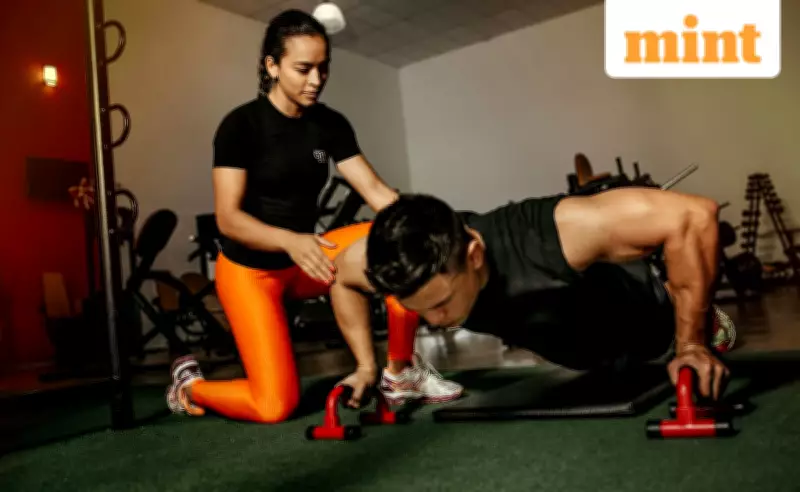
From a professional standpoint, replacing a trainer or nutritionist with AI carries inherent risks. Ankita Matondkar, Associate Consultant in the Department of Sports Medicine and Rehabilitation at Kokilaben Dhirubhai Ambani Hospital in Mumbai, points out that AI platforms cannot assess an individual's medical background, training history, biomechanics, recovery, or biopsychosocial status. "AI cannot physically assess or examine physical attributes or pain patterns. It also lacks clinical reasoning, which is needed for safe and personalized planning. Thus, AI-generated plans may lead to over- or under-training, poor exercise selection, and increased injury risk, especially in individuals with pre-existing conditions or improper techniques. While AI can be an educational resource, it cannot replace professional evaluation and supervision," she warns.
Balan offers a candid observation: "AI models are somewhat sycophants. They tend to tell you what you want to hear because you are the one framing the questions. A coach can bring you back to reality immediately."
The Human Element Remains Crucial
Ultimately, doctors and fitness experts agree that the safest and most effective fitness plans are those tailored by qualified professionals who can assess and modify programs based on real-time progress and address specific needs. "In sports medicine, personalization and human insight are important for long-term health, safety, and performance outcomes," Matondkar concludes.
As AI continues to evolve, it may serve as a valuable supplementary tool in fitness, but for now, the consensus is clear: human expertise and personalized assessment remain irreplaceable for achieving optimal and safe fitness results.