

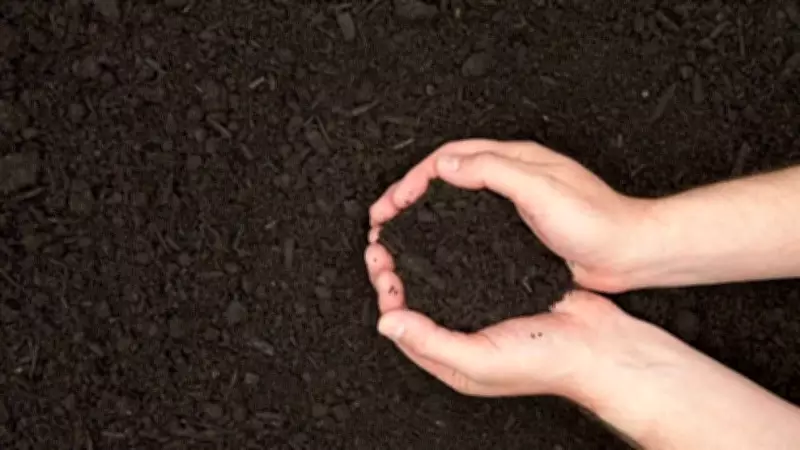
When gardening, many beginners find themselves confused about choosing the proper soil for their purposes. Compost, potting soil, and topsoil may look similar, but each serves a completely different function in plant growth. Experts believe that using inappropriate soils can adversely influence plant drainage, nutrient uptake, and overall health. Understanding what distinguishes each type of soil is essential for effective gardening.
Compost – The Power Soil Amendment
Compost is decaying organic matter consisting of various food leftovers, fallen leaves, and other organic materials. Typically, it cannot be used as the primary growth soil because of its thick consistency, which prevents it from serving its basic function properly. However, compost offers numerous benefits. For example, it significantly improves garden soil quality by increasing fertility and nutrient content.
Potting Soil – The Choice of Indoor Gardeners
This type of soil is specifically produced and distributed for potting indoor plants. In other words, you cannot use potting soil in the garden because its composition, drainage rate, and other properties are tailored for indoor plants. It may include organic materials, peat moss, vermiculite, or perlite, providing sufficient conditions for root development.

Topsoil – The Base for Large Plantations
Unlike compost or potting soil, topsoil is the top layer of natural earth. It is usually obtained directly from natural sources and may not have a sufficiently high nutrient concentration. However, experts advise mixing topsoil with amendments like compost to create better growth conditions. As a rule, it is needed to create a lawn.
Differences in Consistency and Structure
While compost is crumbly and includes plenty of organic materials, potting soil is usually airy and loose, providing perfect conditions for roots of plants growing in pots. In contrast, topsoil has a much denser consistency and cannot ensure sufficient drainage and airflow around plant roots. Therefore, you need to consider these characteristics carefully before choosing a soil type.
Differences in Nutrient Concentration
While compost is full of microorganisms and organic substances, potting soil consists of a balanced mix of ingredients that allows for stable plant development. In turn, topsoil has no significant concentration of nutrients, but it can still be used as an addition or mixture ingredient. Understanding these differences is essential when trying to grow healthy and vibrant plants.
Appropriate Uses and Application Conditions
Each of these soil types can be used only for certain purposes. You should not use compost for potting, nor should you use topsoil instead of potting soil. Experts recommend mixing all these types to create the most appropriate conditions for the development of your flowers and vegetables.

