AIIMS Delhi Old OPD Canteen Faces Menu Cuts Amid LPG Cylinder Crisis
The old OPD canteen at AIIMS, New Delhi, one of India's largest central government tertiary hospitals, has been grappling with an acute commercial LPG supply shortage for over two weeks. This disruption, linked to the ongoing West Asia crisis, has forced the canteen to trim its menu and explore alternative cooking methods, potentially shifting to packaged food sales if the situation persists.
Supply Disruption and Operational Challenges
Managed privately by JS Hospitality, the canteen typically requires four commercial LPG cylinders daily to serve approximately 500 to 600 people, including patients, attendants, and hospital staff. However, it has not received its regular supply for a week, despite government prioritization of hospitals for commercial LPG. Manager Puran Shah reported that attempts to contact the Indian Oil distributor, Guruji Indian Gas Service in Mundka, have been unsuccessful.
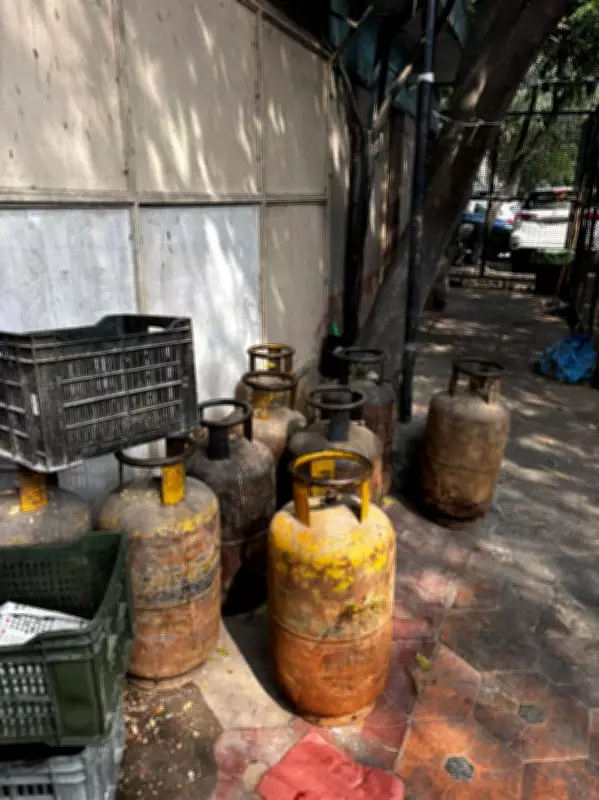
To mitigate the crisis, the canteen initially resorted to informal channels, procuring cylinders at inflated prices ranging from Rs 3,000 to Rs 5,000 per refill. Even this option has now dried up, leaving the facility with no reliable source of LPG. During a recent visit, empty cylinders were visibly stacked in the canteen's backyard, underscoring the severity of the supply disruption.

Alternative Measures and Menu Adjustments
In response, the canteen has adopted alternative cooking methods, such as induction cooktops and electric kettles, and has sourced cylinders from other facilities within AIIMS. These measures have allowed limited operations to continue, but not without significant compromises. The menu has been temporarily trimmed, with popular items like sambar vada and samosas removed due to the inability to prepare them efficiently without adequate gas supply.
Shah expressed concerns about the sustainability of current operations, stating, "We are considering shifting to selling packaged food items like biscuits and chips. We cannot run operations like this indefinitely." This potential move highlights the broader impact of the LPG shortage on food services in critical healthcare settings.
Official Communications and Hospital Response
On March 13, a formal letter was sent to the Indian Oil Corporation marketing division, signed by AIIMS Additional Medical Superintendent Babita Gupta and Chief of Trauma Centre Narendra Chaudhary, seeking urgent assistance given the canteen's critical role. As of now, there has been no response from IOC, and emails have gone unanswered.
AIIMS officials have distanced themselves from the issue, noting that since the canteen is operated by a private contractor, the hospital has no direct involvement in its supply chain management. This stance adds complexity to resolving the crisis, as the canteen remains dependent on external suppliers for its essential cooking needs.
Broader Implications and Future Outlook
The situation at the AIIMS old OPD canteen reflects wider challenges in India's commercial LPG supply chain, exacerbated by geopolitical tensions in West Asia. It raises questions about the resilience of food services in hospitals during supply disruptions and the need for contingency planning. If the LPG shortage continues, the shift to packaged food could affect the nutritional quality of meals available to vulnerable patients and staff.
As the canteen navigates this crisis, stakeholders are urged to address the supply gaps promptly to ensure uninterrupted service in a facility that plays a vital role in supporting healthcare operations at AIIMS Delhi.