

The Delhi government has made a decisive move to complete four long-stalled hospital projects. These hospitals are located in Jwalapuri, Madipur, Hastsal, and Siraspur. The government will shift them to a public-private partnership model. Officials have also set a definite timeline for their completion.
Massive Expenditure Without Results
This action follows serious concerns over public money spent on unfinished infrastructure. Construction at these sites stalled over the past two years. Review documents revealed a startling fact. By April 2025, the government had spent over Rs 1,000 crore on these four hospitals. Despite this huge investment, not a single hospital was completed and made operational for patients.
Physical Progress and Deterioration
Documents accessed by The Times of India showed the physical progress across the projects. Siraspur hospital was the most advanced, with about 80% of work done. Jwalapuri and Madipur hospitals had reached approximately 75% completion. Hastsal hospital lagged slightly behind at around 65%.

Officials explained the situation. While several structural and civil works were complete, the delay caused deterioration. Internal services and installation-related components remained pending. The unfinished structures were simply sitting idle.
Financial Crunch and Additional Funds
In September 2024, the finance department flagged a serious "resource crunch." To finish the remaining work and make the hospitals functional, the Delhi government assessed a significant additional requirement. They need Rs 627 crore more. This money will be released over the financial years 2025-26 and 2026-27.
The funds will cover several critical areas. Pending civil works, essential services, furniture, and allied infrastructure will all be addressed. The goal is to transform these buildings into fully operational healthcare facilities.
Minister's Strong Statement on Accountability
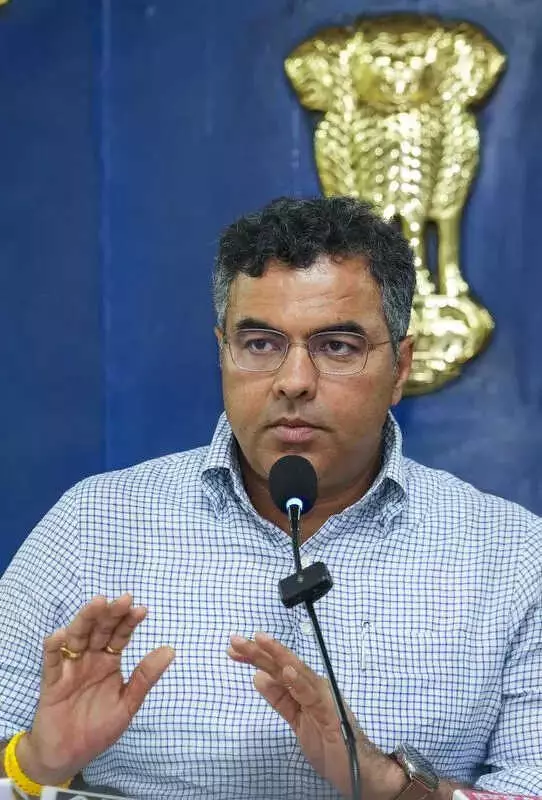
PWD Minister Parvesh Verma spoke strongly about the issue. He stated that Rs 1,000 crore of public money had been spent without delivering the hospitals. He called this a "complete breakdown of accountability."
"We initiated legal action and fixed responsibility," Verma said. "PWD will complete these projects in a transparent and time-bound manner."
He stressed the fundamental importance of healthcare infrastructure. "Hospitals are not just buildings — they are lifelines. Delays in such projects are unacceptable," the minister added. "PWD received clear instructions to complete all remaining work with strict quality control. These hospitals must finally serve the people of Delhi."
The PPP Model as a Solution
Officials said the shift to the PPP model was a strategic decision. It aims to overcome past execution failures and ensure future accountability. Under the new plan, tenders will be finalized soon. Work is expected to be completed by mid-2026. All four hospitals are targeted to be fully completed and made operational by the end of 2027.
Focus on Advanced Projects First
Officials noted that eleven hospital projects had faced delays overall. The government chose to prioritize these four because they were at an advanced stage. Completing them first makes practical sense.
Together, these four hospitals will provide a substantial boost to Delhi's bed capacity. They will add 3,237 general beds to the healthcare system.
Future Plans for More Hospitals
The government has not forgotten the other delayed facilities. Projects in Shalimar Bagh, Kirari, Sultanpuri, Sarita Vihar, Raghubir Nagar, GTB Hospital, and Chacha Nehru Child Hospital will be taken up next. These facilities are planned to add a significant 6,836 ICU beds. Their completion will follow after the four general hospitals are finished.
This phased approach allows the government to manage resources effectively. It ensures that the most ready projects are delivered first, providing immediate relief to the public.






