

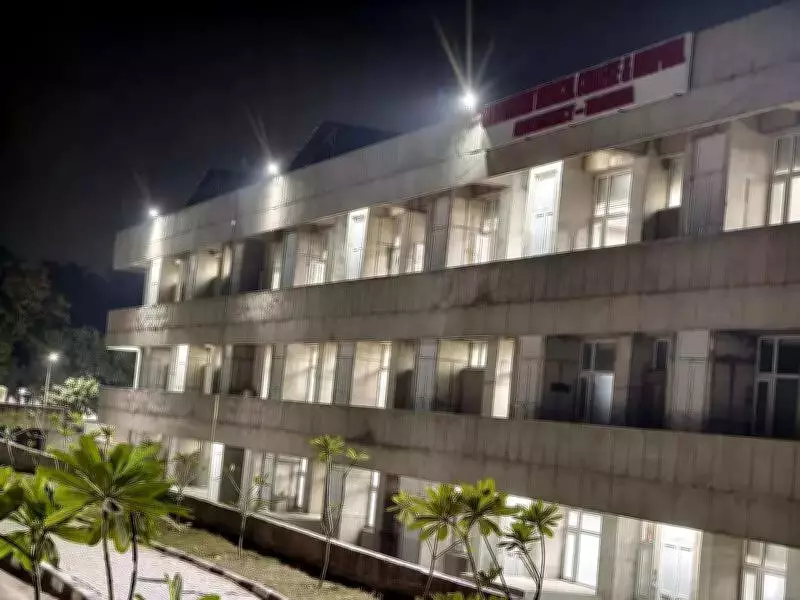
Chandigarh GMCH Embraces Merit-Based Leadership in Administrative Overhaul
In a significant departure from established norms, the UT administration of Chandigarh has initiated a move to appoint a new director principal for the Government Medical College and Hospital (GMCH) in Sector 32 based on merit rather than traditional seniority. This decision, which is currently awaiting the final signature of the Punjab governor and UT administrator, has sparked considerable debate within the institute's faculty, highlighting a pivotal shift in administrative philosophy.
Background and Context of the Appointment Shift
The transition follows the completion of Professor G P Thami's term as director principal. Under the conventional seniority-based system, Professor Dasari Harish, the current medical superintendent, would have been the next in line for the position. However, sources reveal that Professor Harish is due to retire in just five months, prompting the administration to reconsider the appointment process.
This intervention marks a notable departure from the internal selection mechanism that has been in place since the tenure of Dr. Atul Sachdeva. Historically, court cases had shifted the appointment authority away from the Union Public Service Commission (UPSC) towards an internal seniority-based approach. The recent decision to bypass this seniority track was reportedly motivated by the governor being informed of significant operational deficiencies within the hospital's emergency and trauma wings.

Operational Lapses and Urgent Needs
Recent incidents have underscored the urgent need for systemic improvements at GMCH. Reports emerged of patients' attendants being forced to manually operate Ambu bags due to a critical shortage of ventilators and technical staff. These lapses highlighted a healthcare system in dire need of streamlining and enhanced management to ensure patient safety and efficient service delivery.
In response, a high-level panel led by the UT chief secretary was convened to recommend candidates for the top post. The panel put forward two names: Dr. Ravneet Kaur and Dr. Suresh. According to insider sources, Dr. Ravneet Kaur emerged as the priority candidate, with her name carrying a strong recommendation for the governor's final approval, emphasizing her qualifications and potential to address the hospital's challenges.
Faculty Reactions and Broader Implications
The administration's move has elicited mixed reactions from the faculty. While some members have contested the change, arguing that it disrupts long-standing traditions, others have supported the shift, asserting that selecting a leader based on clinical outcomes, research output, and administrative experience is essential to restore the hospital's efficiency and reputation.
This decision signals the UT administration's intent to move away from a "seniority-first" culture towards one that prioritizes merit and crisis management capabilities. If the governor approves the appointment, the new director principal will face immediate and critical tasks, including improving the emergency care system and addressing resource shortages that have recently plagued the institution.
The broader implications of this move extend beyond GMCH, potentially setting a precedent for other government medical institutions to reevaluate their appointment processes in favor of merit-based leadership. By focusing on qualifications and performance, the administration aims to enhance healthcare delivery and operational effectiveness, ultimately benefiting patients and the community at large.






