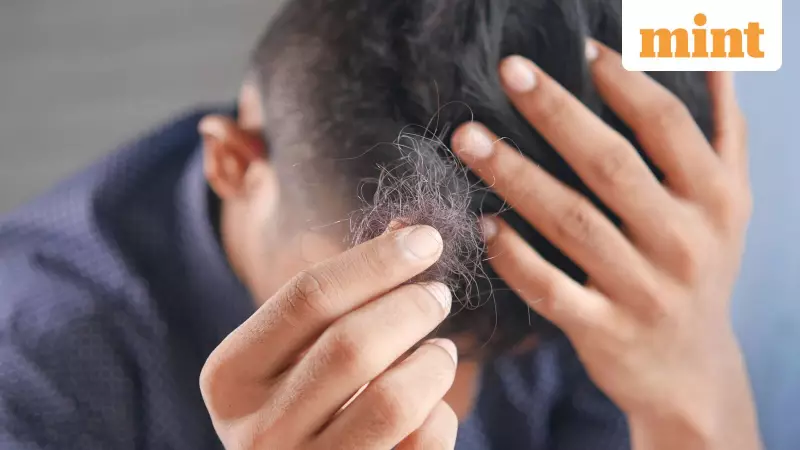
India Moves to Tighten Hair Transplant Safety Rules
The Indian government is taking decisive action to regulate the hair transplant industry. Officials plan to shift hair transplantation from the 'cosmetic salon' category to a strictly controlled 'surgical practice'. This change aims to address growing concerns over botched procedures and patient safety.
New Standards for Medical Professionals
The National Council for Clinical Establishments has drafted Minimum Standards for Hair Transplant Centres. These rules mandate that only qualified medical professionals can perform hair transplant procedures. Specifically, dermatologists and plastic surgeons with recognized medical degrees will receive authorization.
"The new rules aim to eliminate ghost clinics by specifying that only holders of a medical degree, specifically dermatologists and plastic surgeons, are permitted to carry out these procedures," explained a government official who requested anonymity. "While frequently marketed as a simple cosmetic salon service, hair transplantation is a surgical procedure involving anaesthesia and risks such as severe infection and medical shock."

Addressing a Growing Problem
India performs approximately 350,000 hair transplant procedures each year. The industry generates about $252 million in revenue currently. Market researchers project this figure could reach $1.7 billion by 2033.
However, serious safety concerns have emerged. At least six patients have died from complications since 2016. Reported causes include:
- Anaesthesia overdose (lidocaine toxicity)
- Anaphylactic shock
- Sepsis resulting from unhygienic conditions
- Tissue necrosis
"Many budget centres currently lack the necessary emergency equipment and skilled expertise," noted a second government official. "By bringing these centres under strict medical regulations, the government intends to ensure that facilities are equipped to handle complications and prevent risks to consumer lives."
Legal and Medical Support
The regulatory push follows a Delhi High Court order from May 2022. The court ruled that hair transplantation constitutes aesthetic surgery requiring qualified dermatologists or trained surgeons with patient consent.
Medical experts strongly support the government's initiative. Dr. Aparna Santhanam, dermatologist and head of medical operations at Kaya Ltd, called the move "both timely and absolutely necessary."
"Hair transplantation in India has grown into a ₹1,600-1,700 crore industry performing over 350,000 procedures a year, but for far too long it has operated in a regulatory grey zone," Dr. Santhanam observed. "We have seen a proliferation of 'ghost clinics', salons, and small setups where procedures are carried out by technicians or unqualified personnel, often without any doctor on site."
Industry Impact and Implementation
Major chains operating in this space include DHI India, Eugenix Hair Sciences, Dr. Batra's, Kaya Skin Clinic and VLCC. Men account for about 79.5% of the sector's revenue, with techniques like Follicular Unit Extraction (FUE) and Direct Hair Implantation (DHI) being most common.
The National Council for Clinical Establishments finalized the standards during its 16th meeting on 9 September 2025. However, the Ministry of Health and Family Welfare will wait for a Madras High Court judgment before notifying the final rules.
"A hair transplant is not a beauty salon service; it is a medical service," emphasized a third government official. "The procedure is a standard operation. The primary issue in India is that the practice has become dangerously trivialized. Internationally, these procedures are highly regulated, providing legal safeguards that prevent the kind of tragic mishaps recently seen in India."
Medical Community Response
Dr. Dinesh Kumar Devaraj, former president of the IADVL (Tamil Nadu), highlighted the procedure's complexity. "On the surface, it looks simple—moving hair from the back to the front. However, it is a precise science involving specific extraction techniques and angles. It isn't just taking a plant from a backyard and putting it in a front yard; it requires deep medical understanding."

Dr. Devaraj further warned about unqualified practitioners. "Due to high profit margins, many untrained technicians and even dentists have entered the field. We are fighting to stop quackery through writ petitions because this is not the domain of those trained only in dentistry. Reading about teeth and ending up doing hair surgery doesn't make sense."
Dr. Manisha Mareddy, founder of Hyderabad-based Shlok Dermatology & Wellness Clinic, called the standards "long overdue." She noted, "There is a rampant rise in non-doctors performing surgical procedures in unsafe environments. Patients are often tempted by pocket-friendly deals, unaware of the risks. Clear guidelines will finally settle the debate on who is qualified to perform these procedures."
The hair transplant industry itself has welcomed the regulations. Companies recognize the need to shift from a "beauty service" mindset to one emphasizing rigorous medical safety and accountability.